

Freezer Not Freezing? Here’s What It Costs to Fix
 Nov, 5 2026
Freezer Repair Cost & Decision Calculator
Diagnose Your Issue
Select an issue and click calculate to see estimated costs and recommendations.
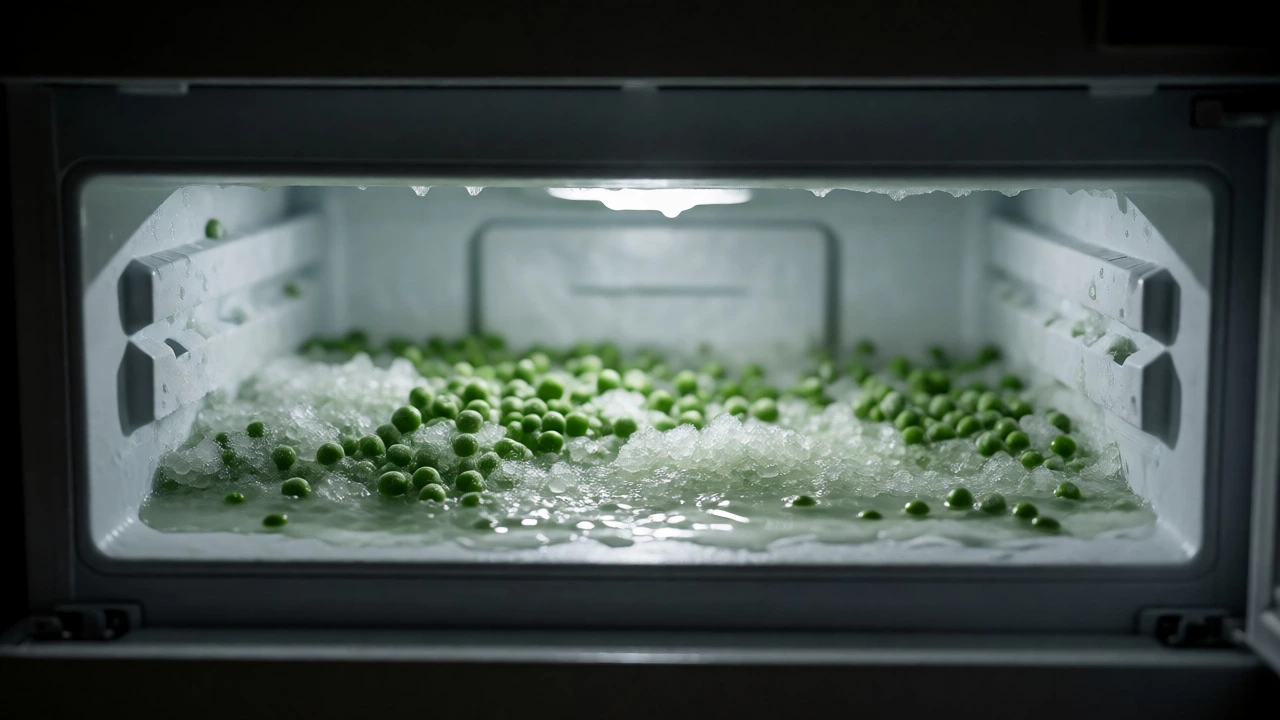
You open the door expecting a blast of cold air and hard-packed ice. Instead, you’re greeted by lukewarm water pooling at the bottom and soft, slushy peas. It’s a sinking feeling, especially when you realize that a broken freezer is basically an expensive countertop decoration until it works again. The big question isn’t just "why did this happen?" but "how much is this going to hurt my wallet?"
The honest answer? It depends entirely on what’s actually broken. A simple clogged drain might cost you the price of a pizza, while a seized compressor could push you toward buying a new unit. This guide breaks down the real-world costs for fixing a freezer that won’t freeze, helping you decide whether to call a pro or roll up your sleeves.
The Cost Spectrum: From Cheap Fixes to Major Repairs
Before you panic, know that most freezer issues fall into three budget tiers. Understanding where your problem sits can save you from overpaying for a service call.
| Component/Issue | DIY Cost (Parts Only) | Professional Repair Cost | Likelihood |
|---|---|---|---|
| Defrost Timer | $15-$40 | $150-$300 | High |
| Evaporator Fan Motor | $50-$120 | $200-$400 | Medium |
| Start Relay | $20-$50 | $150-$250 | Medium |
| Compressor | $100-$300 (part only) | $500-$900+ | Low |
| Refrigerant Leak | N/A (Specialized Tools) | $300-$600 | Medium |
Notice the gap between parts and labor. That’s the biggest factor in your final bill. Technicians charge for their time, diagnostic expertise, and travel. If you can swap a $20 part yourself, you save hundreds. But if you need to recharge refrigerant lines, you definitely need a licensed pro.
Common Culprits Behind a Warm Freezer
Why does a freezer stop freezing? It’s rarely magic. Usually, one specific component fails, disrupting the cooling cycle. Let’s look at the usual suspects.
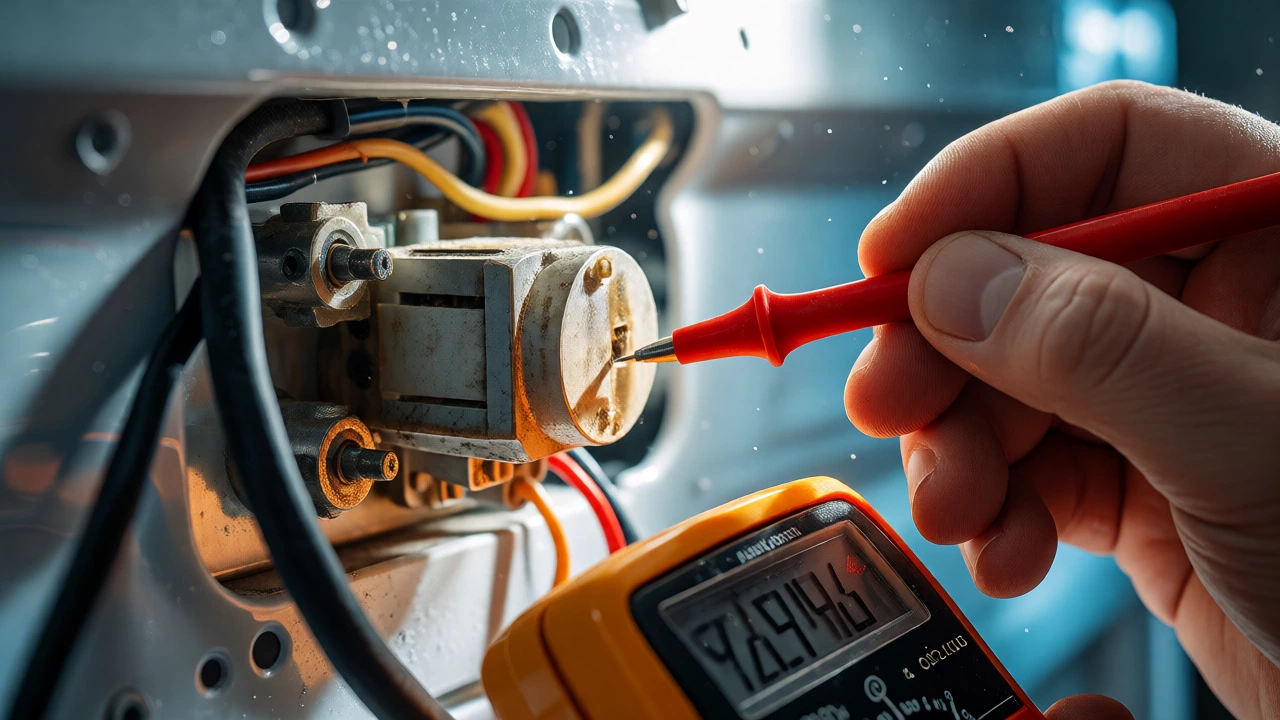
The defrost timer is a small mechanical switch that controls how long your freezer runs before it melts frost off the coils. When it burns out, the freezer either stays in defrost mode too long (getting warm) or never enters defrost mode (icing up completely). Replacing this part is cheap-often under $30 for the part itself-but diagnosing it requires a multimeter. If you hire someone, expect to pay $150 to $300 because they have to test other components to rule them out first.
Then there’s the evaporator fan motor. This fan pushes cold air from the coils into the freezer compartment. If it stops spinning, you’ll hear silence where there used to be a hum, and the freezer will slowly warm up. You might hear a rattling noise before it dies. Parts cost $50 to $120. Labor adds another $100 to $200 depending on how buried the fan is in your model. Some upright freezers require removing the entire back panel; others need you to dismantle the interior shelving.
Don’t overlook the start relay. This tiny device helps kick-start the compressor. If it fails, the compressor tries to start, clicks loudly, and then shuts off. The freezer won’t run at all. This is one of the cheapest repairs. The part costs less than $50, and many handy homeowners replace it themselves in under 20 minutes. Professional installation still carries a minimum service fee, usually around $150.
The Big One: Compressor and Refrigerant Issues
If the small stuff checks out, you might be facing the heavy hitters: the compressor or a refrigerant leak. These are the repairs that make people consider buying a new appliance instead.
The compressor is the heart of your freezer, pumping refrigerant through the system. When it seizes or loses compression, the freezer cools poorly or not at all. Replacement costs are steep. The part alone can range from $100 to $300, but the labor is intense. Technicians must evacuate the system, weld new connections, and recharge the refrigerant. Total professional costs typically land between $500 and $900. For a freezer older than ten years, this often exceeds the value of the appliance.
A refrigerant leak happens when the sealed cooling system develops a crack or puncture. You might see oil stains near the coils or notice the freezer running constantly without getting cold. Fixing this isn’t a DIY job unless you own specialized gauges and recovery equipment. Pros charge $300 to $600 to locate the leak, repair the line, and refill the system with refrigerant like R-134a or R-600a. If the leak is inside the evaporator coils behind the wall, the repair might cost more than replacing the whole unit.
When to Call a Pro vs. DIY
Should you grab a screwdriver or pick up the phone? Here’s a quick decision tree based on skill level and risk.
- Go DIY if: The issue involves accessible electrical components like the defrost timer, start relay, or thermostat. These parts are cheap, easy to find online using your model number, and don’t involve pressurized gases. Watch a YouTube tutorial for your specific model first. If you’re comfortable using a multimeter to check for continuity, you can save significant labor fees.
- Call a Pro if: The problem involves the sealed refrigeration system (compressor, condenser coils, refrigerant lines). Handling refrigerants requires EPA certification in many regions. Also, call a pro if the repair requires major disassembly, such as removing the inner cabinet of an upright freezer. One wrong move can crack plastic housings or damage wiring harnesses, turning a $50 fix into a $200 headache.
Remember, diagnostic fees often apply even if you choose not to proceed with the repair. Many companies waive this fee if you hire them for the work. Always ask about this upfront.
Hidden Costs and Maintenance Tips
The sticker price of the part isn’t always the final number. Consider these hidden factors:
- Service Call Fee: Most technicians charge $75 to $150 just to show up and diagnose the problem. This covers their travel time and initial assessment.
- Part Availability: Older models might require special-order parts. If the technician has to order a custom gasket or control board, you might pay extra for shipping or wait weeks for the fix.
- Disposal Fees: If you decide to replace the freezer instead of repairing it, some haulers charge $50 to $100 to remove and dispose of the old unit properly due to refrigerant regulations.
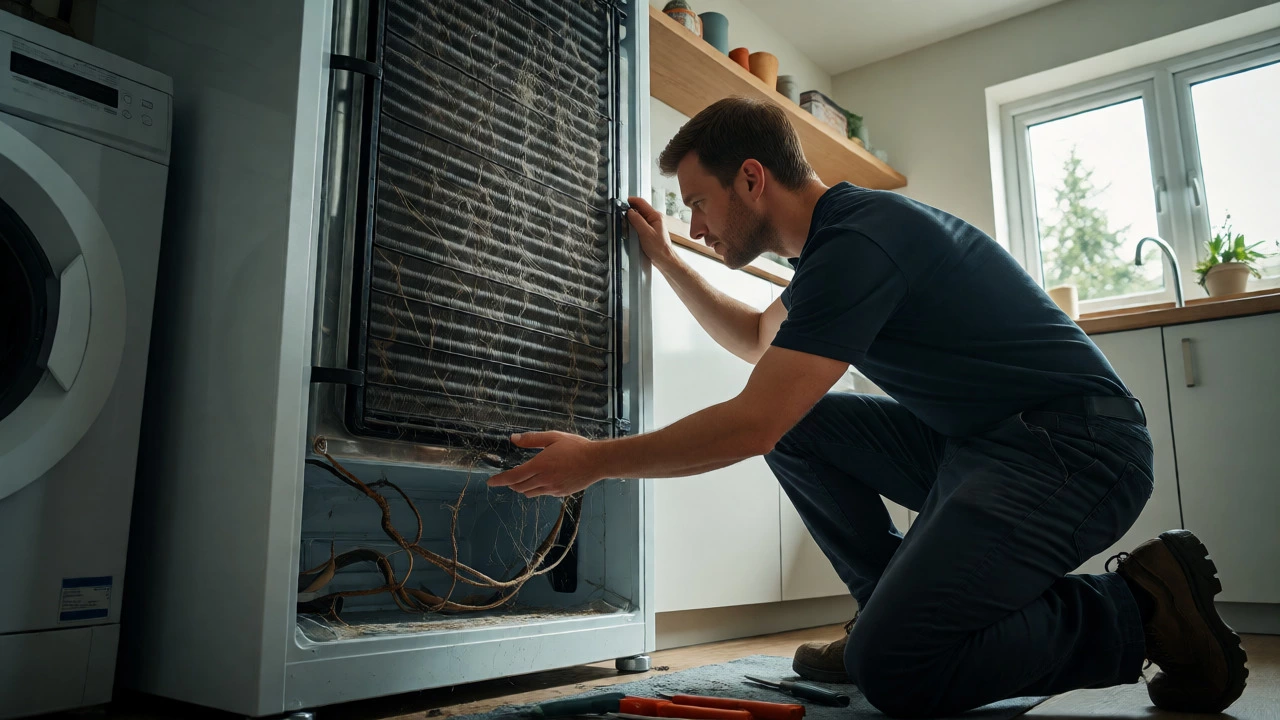
To avoid future breakdowns, keep your condenser coils clean. Dust and pet hair insulate the coils, forcing the compressor to work harder and overheat. Vacuum them twice a year. Also, ensure the door seals tightly. A dollar bill test-closing the door on a bill and pulling it out-should offer resistance. If it slides out easily, replace the gasket ($20-$40) to improve efficiency and reduce strain on the cooling system.
Frequently Asked Questions
Is it worth repairing a 10-year-old freezer?
Generally, no. If the repair cost exceeds 50% of the price of a new energy-efficient model, replace it. Ten-year-old freezers use significantly more electricity than modern units. Unless it’s a high-end built-in model costing thousands, a $500 compressor repair rarely makes financial sense compared to buying a new $600 freezer.
How long does a freezer repair take?
Most common repairs like replacing a fan motor or timer take 1 to 2 hours once the technician arrives. Compressor replacements or complex leak fixes can take 3 to 4 hours. If parts need ordering, add several days to two weeks for delivery.
Can I fix a freezer that won't freeze myself?
Yes, if the issue is electrical (timer, relay, fan) or a blocked drain. You need basic tools and a multimeter. However, do not attempt to fix refrigerant leaks or compressor issues yourself without proper training and equipment, as mishandling refrigerants is dangerous and illegal in many places.
Why is my freezer running but not freezing?
This usually points to a failed evaporator fan, a faulty defrost system causing ice buildup on coils, or low refrigerant levels. Check if the fan spins when the door is closed (you may need to press the door switch manually). If the fan works, the issue is likely deeper in the cooling cycle.
What is the average cost to replace a freezer compressor?
Expect to pay between $500 and $900 for professional compressor replacement. This includes the part, labor, refrigerant recharge, and disposal of the old compressor. In some cases, particularly with older or larger chest freezers, the cost can approach $1,000.