

First Thing to Check When a Refrigerator Stops Working
 Sep, 14 2026
Refrigerator Troubleshooting Checklist
Follow these steps in order. Check each box as you complete the action to track your progress.
Action: Unplug the fridge, wait 10 seconds, plug it back in firmly. Test the outlet with a lamp if possible.
Time: 2 mins | Cost: $0Action: Reset breaker (Off then On). Press 'Reset' on any GFCI outlets near the kitchen sink.
Time: 5 mins | Cost: $0Action: Ensure dial is set to mid-range (3°C - 4°C / 37°F - 40°F). Wait 4 hours before judging temperature.
Time: 4 hrs wait | Cost: $0Action: Clear blockages from rear vents inside the fridge. Pull food items away from back wall by 2 inches.
Time: 10 mins | Cost: $0Action: Vacuum dust/pet hair from coils (back or bottom kickplate). Do not bend fins.
Time: 20 mins | Cost: $0Action: Dollar bill test. Close door on bill; pull out. Resistance = Good. Clean seal with soapy water if dirty.
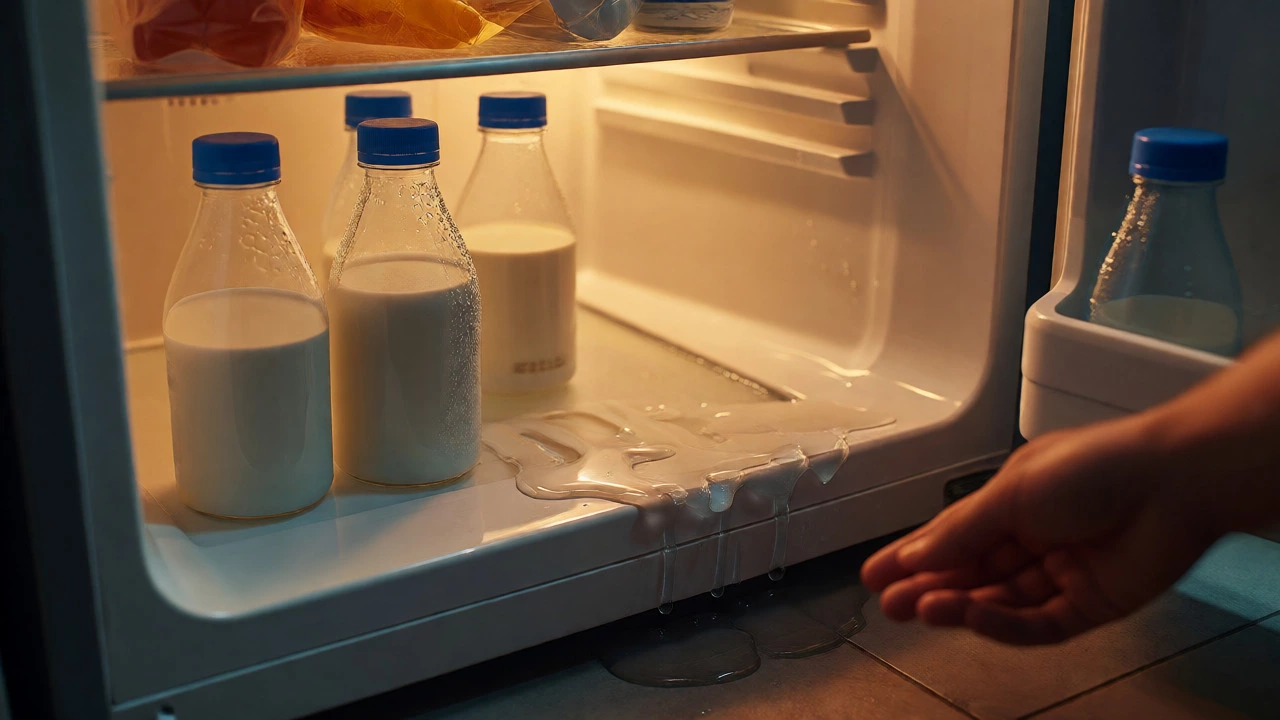
Time: 15 mins | Cost: $0 - $80You walk into the kitchen, open the refrigerator, and hit a wall of warm air. Your milk is room temperature. The ice tray has melted into a puddle on the floor. Panic sets in. Before you call a technician or start Googling expensive replacement parts, pause. There is one specific, non-negotiable step that solves nearly 40% of sudden fridge failures.
It isn't the thermostat. It isn't the compressor. It isn't even the door seal (though we will get there). The first thing you must check is the power supply. This sounds too simple to be true, but appliances are finicky creatures. A tripped breaker, a loose plug, or a faulty outlet accounts for a massive chunk of "dead" fridges. If your fridge isn't getting electricity, nothing else matters. You can replace the entire cooling system, but if it's unplugged, it won't work.
The Power Supply: Why It’s the Prime Suspect
Think about how you use your fridge. It runs 24/7. It cycles on and off based on internal temperature sensors. Over time, vibrations from the compressor can wiggle the power cord slightly out of the socket. Or maybe someone bumped the fridge while moving groceries, pulling the plug just enough to break contact. In older homes, especially here in Toronto where housing stock varies wildly, outlets behind heavy appliances can become loose or oxidized.
Here is the test: unplug the fridge. Wait ten seconds. Plug it back in firmly. Does the light turn on? Do you hear the hum of the compressor starting up? If yes, problem solved. You saved yourself a service call fee. If no, move to the next step. Do not skip this. I have seen technicians spend an hour diagnosing a control board only to find the unit was never plugged in after a cleaning session.
Circuit Breakers and GFCI Outlets
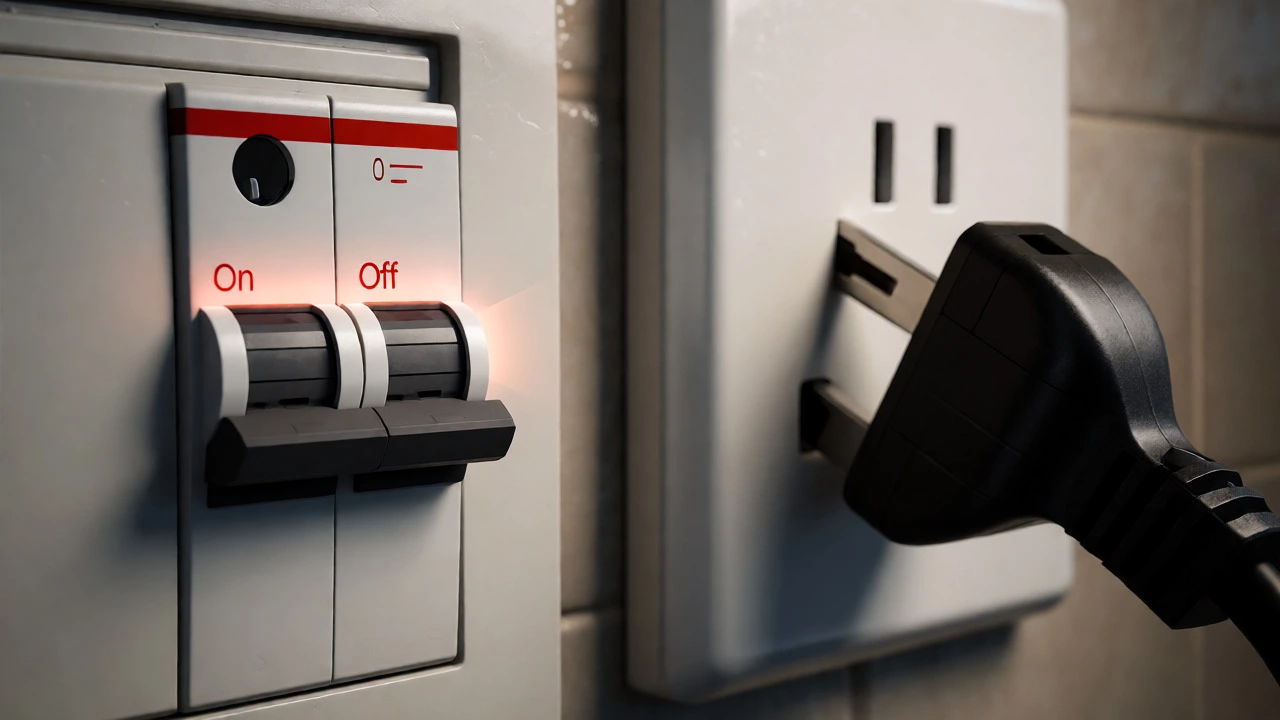
If plugging it in doesn't work, look at your electrical panel. Modern kitchens often share circuits with other high-draw appliances like microwaves or ovens. If you recently ran a heavy load, the circuit breaker might have tripped. These breakers don't always flip fully to the "Off" position; sometimes they sit in a neutral middle state that looks fine but cuts power.
Flip the breaker switch completely to Off, then back to On. Listen for a click. Now go back to the fridge. Still silent? Check for a GFCI outlet. Many modern building codes require Ground Fault Circuit Interrupter outlets near sinks and counters. These have small "Test" and "Reset" buttons. If water splashed onto the outlet during dishwashing, it may have tripped. Press Reset. Try the fridge again. This single button press fixes more fridge issues than most people realize.
Thermostat Settings: The Silent Saboteur
Okay, power is flowing. The lights work. But it’s still warm inside. Next suspect: the thermostat. Sometimes, kids lean against the fridge door and accidentally spin the dial. Or, during a deep clean, you might have turned it down thinking you were saving energy. The ideal setting for most refrigerators is between 3°C and 4°C (37°F to 40°F).
Check the dial. Is it set to "1" (warmest) by mistake? Turn it to the middle setting. Give it four hours. Do not judge the temperature immediately. Refrigerators take time to pull heat out of the air and food. If you check every ten minutes, you’ll think it’s broken when it’s just working hard. Patience is part of the diagnostic process.
Airflow Blockages: The Most Common Oversight
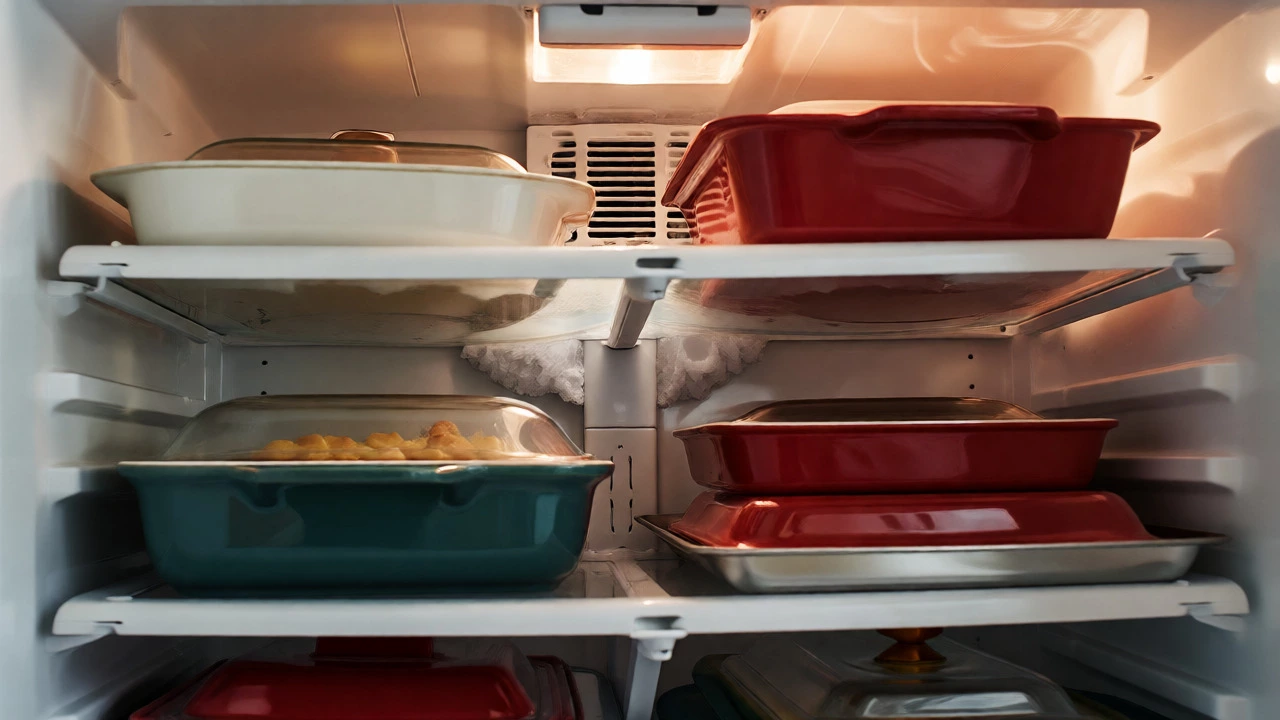
If power and settings are correct, look inside. Specifically, look at the vents. Modern fridges rely on circulating cold air from the freezer compartment to the fresh food section. If you stuffed leftover casseroles or holiday turkey trays directly against the rear vent, you blocked the airflow. The sensor thinks the fridge is cold because the air around it is cold, so it stops cooling. Meanwhile, the rest of the fridge warms up.
Clear the vents. Pull everything away from the back wall by at least two inches. Let the air circulate. This takes five minutes and costs zero dollars. In my experience repairing units across Ontario, blocked vents cause more intermittent cooling issues than failed compressors do.
Condenser Coils: The Dirty Secret
Let’s talk about maintenance. If your fridge has been running louder than usual before it stopped cooling, dirty condenser coils are likely the culprit. These coils release heat from the refrigerant. If they are caked in pet hair and dust, the fridge cannot dump heat efficiently. The compressor works overtime, overheats, and eventually shuts down to protect itself.
Where are they? Older models have them on the back as a black grid. Newer models hide them under a kickplate at the bottom front. Unplug the fridge. Use a vacuum cleaner with a brush attachment. Gently remove the debris. Do not bend the fins. Clean them twice a year. If you have cats, do it monthly. This simple act extends the life of your appliance by years.
Door Seals: Testing the Integrity
A bad gasket lets warm air in and cold air out. Your fridge runs constantly, trying to compensate, until the compressor burns out or the system fails. How do you know if the seal is bad? Close the door on a dollar bill. Pull it out. You should feel resistance. If it slides out easily, the seal is compromised.
Look for cracks or brittleness in the rubber. If the seal is torn, you need a replacement. If it’s just dirty, clean it with warm soapy water. Sometimes dried food residue prevents a tight seal. Wipe it down thoroughly. Test again. If it’s still loose, order a new gasket. They are inexpensive and easy to install, usually snapping right into place.
When to Call a Pro
You’ve checked the power, the breaker, the thermostat, the vents, the coils, and the seals. The fridge is still dead or warm. Now you are dealing with mechanical failure. This could be the start relay, the compressor, or the main control board.
- Start Relay: If the compressor buzzes but doesn’t start, this cheap part ($20-$50) is often the fix. It sits on the side of the compressor.
- Compressor: If it’s silent or makes loud knocking noises, the motor might be seized. Replacement costs $500-$1000. For an old fridge, this might not be worth it.
- Control Board: If lights flicker or error codes appear, the brain of the fridge may be fried. Diagnosis requires a multimeter and technical skill.
| Check Step | Action Required | Time Needed | Cost |
|---|---|---|---|
| Power Supply | Plug in firmly; check outlet with lamp | 2 mins | $0 |
| Circuit Breaker | Reset breaker; reset GFCI outlet | 5 mins | $0 |
| Thermostat | Set to mid-range; wait 4 hours | 4 hrs | $0 |
| Vents | Clear blockage behind shelves | 10 mins | $0 |
| Condenser Coils | Vacuum dust from coils | 20 mins | $0 |
| Door Seal | Dollar bill test; clean or replace | 15 mins | $0 - $80 |
Safety First: Don’t Ignore Water Leaks
If you see water pooling under the fridge, do not ignore it. It could be a defrost drain clog, which is common. But it could also mean the fridge is leaking refrigerant oil, indicating a hole in the lines. If the floor is wet, unplug the unit. Water and electricity don’t mix well. Mop it up. If the leak persists after clearing the drain tube (usually located at the back bottom), call a professional. Continuing to run a leaking fridge can damage your flooring and create mold risks.
Preventive Habits for Long Life
Once you get your fridge running again, change your habits. Stop stuffing it to the brim. Air needs space to move. Keep the coils clean. Leave a two-inch gap between the fridge and the wall for ventilation. And please, stop putting hot soup directly into the fridge. Let it cool to room temperature first. Hot food forces the compressor to work harder, shortening its lifespan. Small changes prevent big bills.
Why did my refrigerator stop cooling suddenly?
Sudden loss of cooling is usually due to a power interruption (tripped breaker or unplugged cord), a blocked condenser coil causing overheating, or a failed start relay preventing the compressor from engaging. Check these three areas first before assuming major mechanical failure.
How long does it take for a refrigerator to cool down after being unplugged?
A standard refrigerator typically takes 4 to 6 hours to reach safe temperatures (below 4°C) after being powered back on, provided it wasn't opened frequently. If it was empty, it cools faster. If full of warm food, it may take up to 24 hours to stabilize.
Can I fix a refrigerator start relay myself?
Yes, if you are comfortable with basic DIY tasks. Unplug the fridge, locate the compressor at the back, remove the cover plate, and swap the old relay for a new one matching the model number. It is a low-risk repair costing under $50. However, if the compressor itself is humming but not starting, ensure the relay is compatible with your specific compressor type.
What does it mean if my fridge lights work but it doesn't cool?
This indicates the unit has power but the cooling system is inactive. Common causes include a faulty thermostat, a failed evaporator fan (in frost-free models), a blocked air damper, or a defective compressor/start relay. Since the lights work, focus diagnostics on the cooling components rather than the power supply.
Is it worth repairing an old refrigerator?
If the repair cost exceeds 50% of the price of a new energy-efficient model, replacement is often better. For fridges over 10-12 years old, efficiency losses and potential future breakdowns make replacement a smarter financial choice, especially given current energy standards in Canada.