

Do Extractor Fans Wear Out? Signs, Lifespan & Repair Tips
 May, 28 2026
Extractor Fan Repair vs. Replace Calculator
Determine if you should repair your existing extractor fan or invest in a new one based on age, condition, and local labor costs.
Recommendation
That high-pitched whine from your kitchen ceiling isn't just annoying; it's a warning. You might be wondering if your extractor fan is simply getting old or if it has completely worn out. The short answer is yes, they do wear out, but "worn out" doesn't always mean "replace immediately." Understanding the difference between a dirty filter and a dead motor can save you hundreds of dollars in unnecessary replacements.
In Toronto, where our winters are harsh and our summers humid, these units work overtime. They pull in cold, dry air in January and hot, sticky air in July. This constant battle against the elements accelerates wear. Before you call for an expensive replacement, let’s look at what actually fails, how long these things should last, and when a simple clean fixes the problem versus when you need a full swap.
The Anatomy of Failure: What Actually Wears Out?
To know if your fan is done, you have to know what breaks first. An extractor fan isn't one single part; it’s a system of moving parts that degrade at different rates. Most people think the whole unit dies at once, but usually, it’s a specific component giving up the ghost.
The most common point of failure is the bearing assembly. Inside the motor housing, bearings allow the shaft to spin smoothly. Over time, the lubricant dries out, dust accumulates, and metal rubs against metal. This creates friction, heat, and eventually, noise. If your fan sounds like a jet engine taking off, it’s likely the bearings, not the entire motor, that are failing.
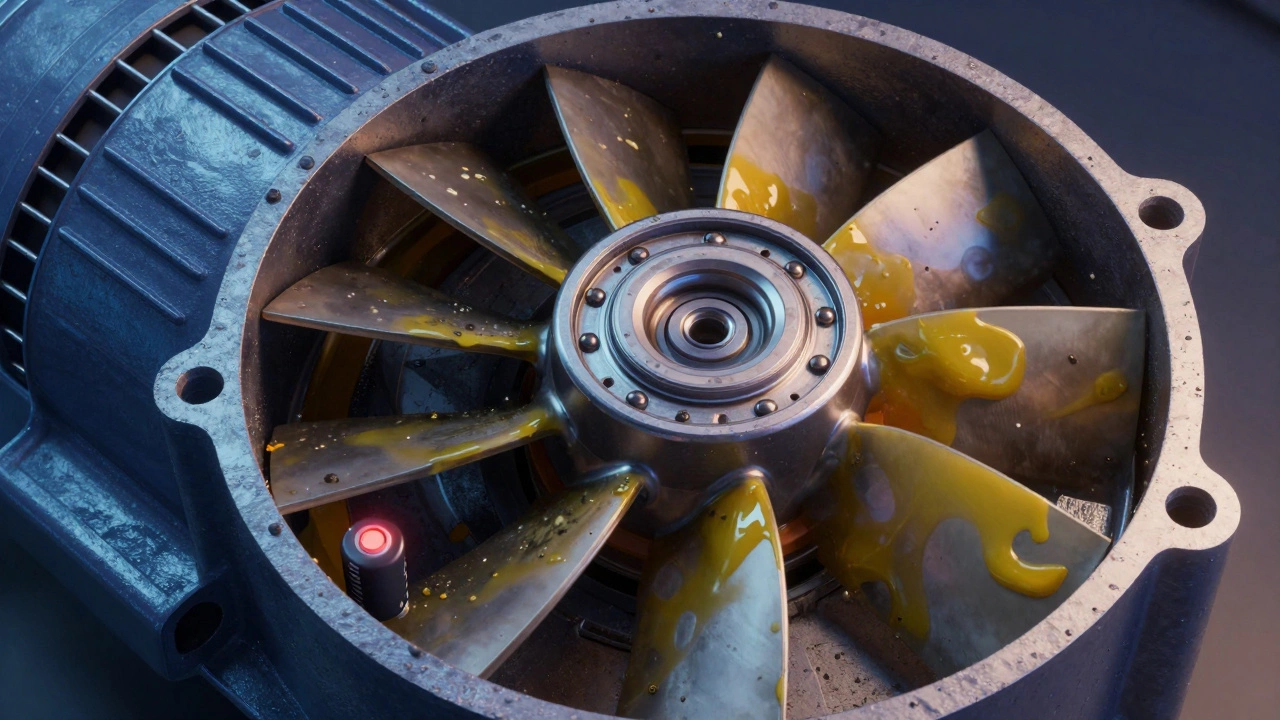
Next on the list is the impeller, or the fan blade itself. In kitchen hoods, grease coats the blades. This adds weight and throws off the balance. An unbalanced impeller vibrates excessively, which stresses the motor mount and the bearings. In bathrooms, hair and dust bunnies clog the blades, reducing airflow until the motor overheats trying to push through the blockage.
Then there’s the capacitor. This small electronic component gives the motor the initial jolt needed to start spinning. Capacitors have a finite lifespan, often measured in thousands of hours. When they fail, the fan hums but won’t turn, or it takes several seconds to kick in. This is a cheap fix compared to replacing the whole unit.
Lifespan Expectations: Kitchen vs. Bathroom
Not all extractor fans are created equal. Where you install them dictates how hard they work and how long they survive. A general rule of thumb is that kitchen range hood fans last between 10 to 15 years, while bathroom exhaust fans typically last 7 to 10 years.
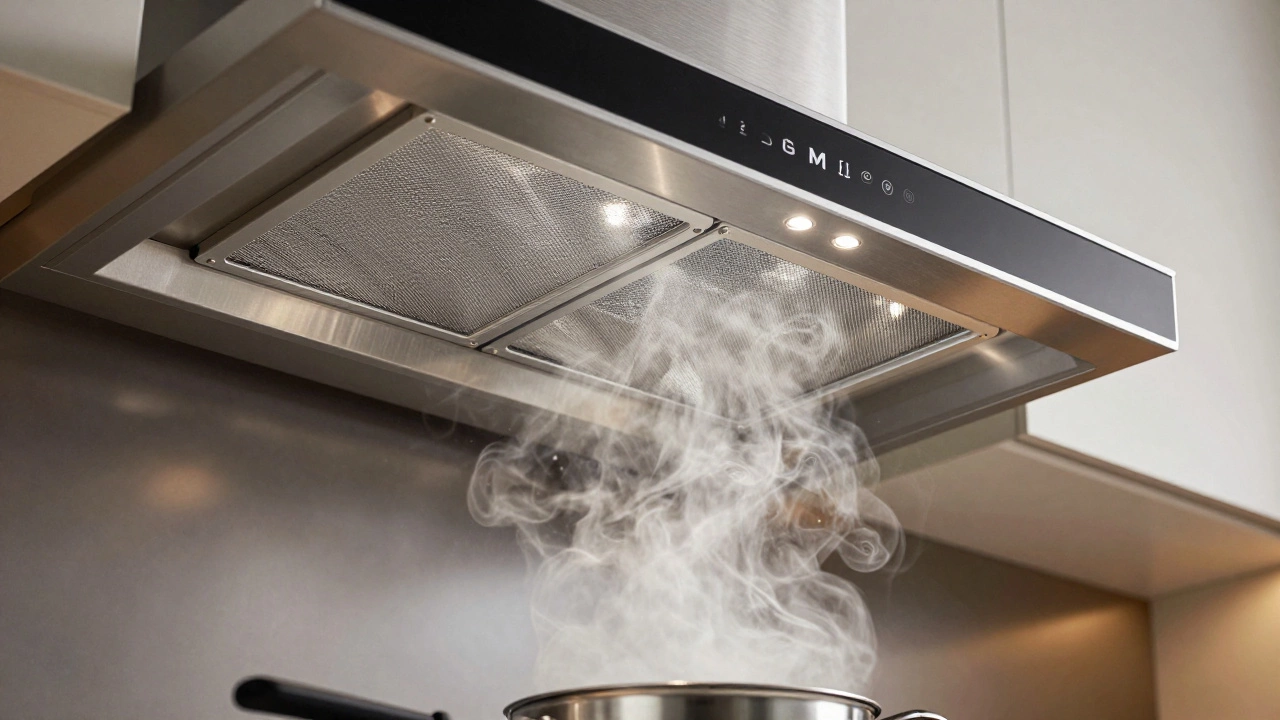
Kitchen fans face grease, steam, and smoke. Grease is corrosive and sticky. It gums up the internal mechanisms faster than anything else. However, kitchen units are often built with heavier-duty motors to handle larger volumes of air. If you cook heavily-stir-frying daily or baking bread every weekend-you’re pushing the limits of that 10-year window.
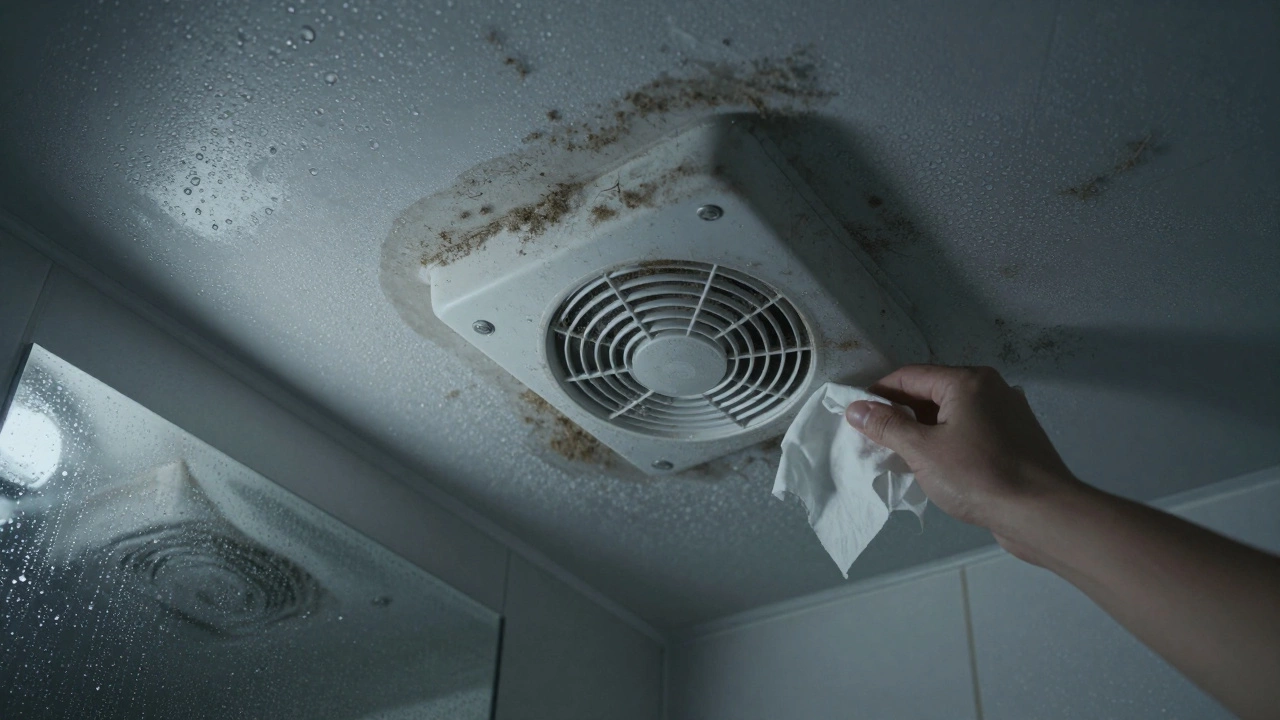
Bathroom fans deal with humidity and mold spores. While less corrosive than grease, moisture promotes rust inside the motor casing. Plus, bathroom fans often run longer durations. People leave them on for 20-30 minutes after a shower. That continuous runtime adds up to more operating hours per year than a kitchen fan used only during meal prep.
| Feature | Kitchen Range Hood | Bathroom Exhaust Fan |
|---|---|---|
| Average Lifespan | 10-15 Years | 7-10 Years |
| Primary Enemy | Cooking Grease & Smoke | Humidity & Mold |
| Common Failure Point | Grease-Clogged Impeller | Rusted Motor Bearings |
| Maintenance Frequency | Filter Clean: Monthly | Grille Dust: Quarterly |
| Noise Indicator | Rattling (Loose Grease) | Whining (Dry Bearings) |
5 Clear Signs Your Fan Is Wearing Out
You don’t need to be an electrician to spot trouble. Your senses will tell you long before the fan stops working entirely. Watch for these five indicators that your unit is nearing the end of its useful life.
- Persistent Noise: A slight hum is normal. A loud grinding, screeching, or rattling is not. If cleaning the blades doesn’t stop the noise, the internal bearings are shot. This is the #1 sign of impending failure.
- Reduced Airflow: Hold a tissue up to the vent. If it barely moves when the fan is on high, your motor is losing power or the ductwork is blocked. In kitchens, this often means the grease filters are saturated beyond cleaning.
- Condensation Issues: In bathrooms, if your mirror fogs up completely within minutes of showering and stays fogged for over ten minutes after turning the fan off, the exhaust capacity has dropped significantly. This leads to mold growth on ceilings and walls.
- Intermittent Operation: Does the fan cut out randomly? Or does it require you to tap the switch to get it running? This suggests loose wiring, a failing capacitor, or a motor winding that’s overheating and shutting down as a safety measure.
- Burning Smell: A faint smell of dust burning is common when you first turn on a fan after winter. But a sharp, acrid smell of melting plastic or burning insulation means the motor is overheating. Turn it off immediately to prevent fire hazards.
Repair vs. Replace: Making the Right Call
This is the million-dollar question. Should you pay a technician $150-$300 to replace a bearing or capacitor, or just buy a new fan for $100-$400? Here’s how to decide without breaking the bank.
If your fan is less than seven years old, repair is usually worth it. Modern fans are decently reliable, and early failures are often due to installation errors or lack of maintenance rather than age-related decay. Replacing a capacitor costs very little in parts. Cleaning a grease-clogged impeller can restore 90% of the original performance.
If your fan is older than ten years, replacement is often smarter. Older models are less energy-efficient. Newer fans use direct-drive motors that eliminate belts and pulleys, reducing mechanical failure points. They also meet stricter sound regulations. Swapping an old, noisy, inefficient unit for a modern quiet one improves your home’s comfort and lowers electricity bills.
Consider the cost of labor. In Toronto, electricians charge premium rates. If the diagnosis requires tearing apart drywall or ceiling tiles to access the motor, the labor cost alone might exceed the price of a new unit. Always ask for a diagnostic fee upfront so you aren’t surprised by hidden costs.
Maintenance Hacks to Extend Fan Life
You can double the lifespan of your extractor fan with minimal effort. Most premature deaths are caused by neglect, not bad luck. Implement these habits now to avoid emergency repairs later.
Clean the Filters Regularly: For kitchen hoods, wash aluminum mesh filters in hot soapy water or the dishwasher every month. Charcoal filters cannot be washed; replace them every three to six months depending on cooking frequency. Dirty filters force the motor to work harder, generating excess heat.
Check the Ductwork Annually: Birds, rodents, or debris can block external vents. Look outside your house at the exhaust cap. Is it covered in leaves or spiderwebs? Clear it out. A blocked duct increases backpressure, straining the motor and potentially causing condensation to drip back into your home.
Lubricate if Possible: Some older industrial-style fans have oil ports for the bearings. If yours does, add a drop of lightweight machine oil once a year. Most residential bathroom fans are sealed, so skip this step unless you see an oil port.
Use Timers: Install a timer switch for your bathroom fan. Running the fan for exactly 20 minutes after a shower ensures moisture is removed without wasting energy or wearing out the motor unnecessarily. Leaving it on for hours provides diminishing returns after the first few minutes.
When to Call a Professional
While cleaning filters is DIY-friendly, electrical work is not. If you suspect a wiring issue, a tripped breaker, or a motor that smells like burning, call a licensed electrician or HVAC specialist. Working with live wires inside a confined ceiling space is dangerous. Professionals have thermal cameras to detect overheating components and multimeters to test voltage stability. They can also verify that your ductwork meets local building codes, which is crucial for resale value in competitive markets like Toronto.
How do I know if my extractor fan motor is dead?
If the fan makes no sound at all and the light works (if applicable), check the circuit breaker first. If power is reaching the unit, listen closely. A humming sound without movement indicates a seized bearing or a failed capacitor. No sound and no heat from the motor housing usually means the internal windings have burned out, requiring a full motor or unit replacement.
Can I clean a grease-clogged extractor fan myself?
Yes, for kitchen range hoods, you can remove the metal mesh filters and soak them in degreaser or dish soap. For the internal blower wheel, it’s more complex. You’ll need to open the hood cover. Use a vacuum with a brush attachment to remove loose grease, then wipe blades with a degreasing solution. Avoid spraying liquid directly onto the motor housing.
Why does my bathroom fan make noise only sometimes?
Intermittent noise often comes from vibration. As the fan spins, dust buildup on the blades can shift, causing imbalance. When the fan hits certain speeds, it resonates with the mounting brackets. Tightening the screws on the grille and housing often fixes this. If the noise persists, the bearings may be starting to wear out.
Is it worth repairing a 15-year-old extractor fan?
Generally, no. A 15-year-old fan is significantly less efficient than modern models. Repair costs for old parts can be high because manufacturers discontinue support for older lines. Replacing it with a new Energy Star-rated model will reduce noise, improve airflow, and lower electricity usage, paying for itself over time.
How often should I replace charcoal filters in my range hood?
Charcoal filters trap odors and cannot be cleaned. Replace them every 3 to 6 months. If you cook frequently with strong-smelling foods like fish or garlic, lean toward the 3-month mark. Neglecting this causes odors to recirculate into your kitchen and strains the fan motor.