

Can I Service My Boiler Myself? A Homeowner’s Guide
 Nov, 16 2026
Boiler Maintenance & Safety Checker
Select the task you are considering to see if it is safe for a homeowner or requires a professional.
Select a task
Click on a maintenance task from the left to see who should perform it and why.
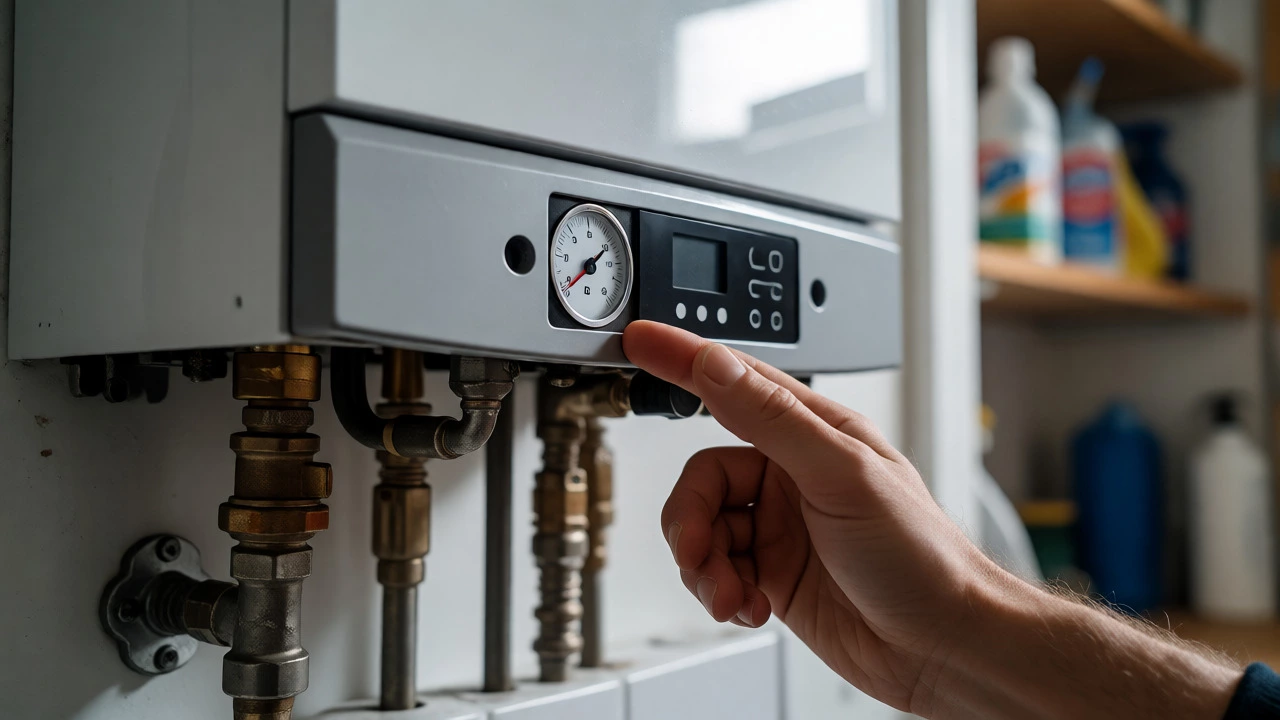
You’re staring at your boiler. It’s making a weird clunking noise, or maybe the pressure gauge is dipping below 1 bar. You think, "How hard can it be? There are YouTube videos for everything." The temptation to save that $80-$120 service fee is real. But here’s the blunt truth: servicing a boiler is not the same as fixing a leaky tap.
If you live in Ontario and have a gas boiler, the answer to "Can I service my boiler myself?" is legally no, and practically, probably not a good idea either. But that doesn’t mean you’re helpless. There’s a clear line between what you can safely do and what requires a licensed pro. Let’s break down exactly where that line sits, why the law matters, and how you can actually save money without risking your home.
The Legal Reality: Who Can Touch a Gas Boiler?
In Canada, specifically Ontario, gas appliances are governed by strict codes. You cannot legally perform work on the gas train-the part of the boiler that handles fuel-unless you are a certified professional. This isn’t just bureaucratic red tape; it’s about preventing carbon monoxide poisoning and explosions.
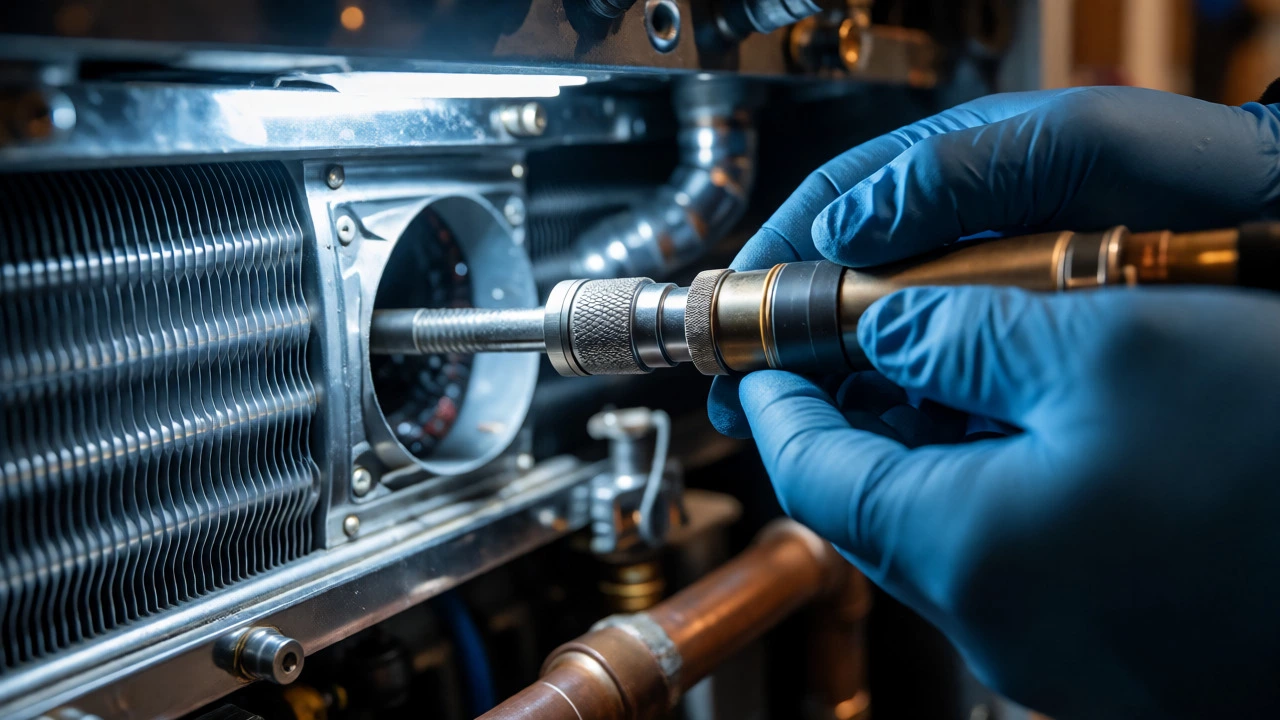
When we talk about "servicing," we usually mean cleaning the heat exchanger, checking combustion efficiency, testing safety controls, and inspecting the flue. These tasks require specialized tools like manometers (to measure gas pressure) and combustion analyzers (to check exhaust gases). If you mess up the air-to-fuel ratio, your boiler might run fine for a week, then slowly start producing deadly carbon monoxide.
Gas Safety is defined as the prevention of risks associated with the use of natural gas and liquefied petroleum gas, including fire, explosion, and carbon monoxide poisoning. In Ontario, only technicians holding a valid TSSA license (Technical Standards and Safety Authority) are permitted to disconnect, reconnect, or service the gas components of a boiler.
So, if you try to open the gas valve assembly yourself, you’re likely violating local code. More importantly, if something goes wrong later, your insurance company might deny your claim because the work wasn’t done by a licensed contractor.
What You CAN Do: The DIY Maintenance Checklist
Just because you can’t service the internals doesn’t mean you should ignore your boiler. Regular homeowner maintenance extends the life of the unit and helps you catch problems before they become expensive emergencies. Think of this as brushing your teeth; the dentist still needs to clean them, but skipping daily care leads to cavities.
- Check Water Pressure: Most residential boilers operate best between 1.0 and 1.5 bar when cold. If it’s low, you can often top it up using the filling loop (check your manual for location). If it drops repeatedly, call a pro-it’s a leak.
- Bleed Radiators: Cold spots at the top of radiators mean trapped air. Use a radiator key to release it. This improves efficiency immediately.
- Inspect the Flue: Go outside and look at the boiler vent pipe. Is it blocked by leaves, bird nests, or snow? A blocked flue causes the boiler to lock out. Clear visible obstructions carefully.
- Listen for Noises: Banging or gurgling can indicate air in the system or pump issues. Note these sounds to tell your technician later.
- Test the Thermostat: Make sure it’s actually turning the heat on and off. Sometimes the issue isn’t the boiler, but a faulty thermostat battery or placement near a draft.
Why Professional Servicing Matters (More Than Just Compliance)
A proper service does more than tick a box. Over time, soot and debris build up inside the burner and heat exchanger. This buildup acts as an insulator, meaning your boiler has to burn more gas to get the same amount of heat into your water. A dirty boiler can lose 10-15% of its efficiency within two years of neglect.
Consider the math. If your annual heating bill is $1,500, losing 10% efficiency costs you $150 a year. A service costing $100 pays for itself in savings alone, plus it keeps the warranty valid. Most manufacturers void warranties if annual servicing isn’t documented by a qualified technician.
| Task | Who Should Do It? | Risk Level | Tools Required |
|---|---|---|---|
| Top up water pressure | Homeowner | Low | Filling loop handle |
| Bleed radiators | Homeowner | Low | Radiator key |
| Clean condensate trap | Advanced Homeowner | Medium | Screwdriver, bucket |
| Combustion analysis | Licensed Technician | High | Flue gas analyzer |
| Clean heat exchanger | Licensed Technician | High | Vacuum, brushes, gas wrenches |
| Replace fan or pump | Licensed Technician | High | Multimeter, spanners |
The Hidden Dangers of DIY Boiler Work
Let’s talk about the worst-case scenarios. People often underestimate the complexity of modern condensing boilers. They aren’t just simple kettles anymore; they’re computer-controlled systems with sensitive electronics.
One common mistake homeowners make is trying to clean the condensate trap themselves. It sounds easy: unscrew the cap, pour out the acidic water. But if you don’t seal it back correctly, or if you crack the plastic housing (which gets brittle with age), you’ll have acid leaking onto your floorboards. Worse, if you accidentally block the drain, the boiler will shut down completely, leaving you with no heat in January.
Then there’s the risk of disturbing the seals. Boilers rely on precise gaskets to keep combustion gases separate from the household air. If you remove a cover panel and damage a seal, or fail to reseat it properly, carbon monoxide can leak into the room. CO is odorless and colorless. You won’t smell it until you have a headache, nausea, or worse.
When to Call a Pro Immediately
Don’t wait for your annual service if you notice these signs. They indicate active faults that need expert attention:
- Yellow Flame: Inside the boiler, the flame should be crisp blue. A yellow or orange flame indicates incomplete combustion-a major red flag for carbon monoxide production.
- Smell of Gas: Even a faint sulfur or rotten egg smell near the boiler warrants an immediate call. Shut off the gas supply if safe to do so and ventilate the area.
- Frequent Lockouts: If your boiler resets itself multiple times a day, something is failing. It could be the ignition electrode, the gas valve, or the PCB (printed circuit board).
- No Hot Water: If heating works but hot water doesn’t (or vice versa), diverter valves or sensors may be stuck.
- Water Leaks: Any dripping from underneath the boiler suggests a failed component like the pressure relief valve or internal corrosion.

Choosing the Right Technician in Toronto
Since you can’t do the service yourself, picking the right person is crucial. Not all plumbers are created equal. For gas work in Ontario, you must verify their credentials. Look for a TSSA-registered contractor. You can ask for their registration number and check it on the TSSA website.
A good technician will:
- Show up with a combustion analyzer.
- Provide a written report after the service.
- Explain what they checked and any recommendations clearly.
- Offer a warranty on parts and labor for any repairs.
Avoid companies that quote over the phone without seeing the model. Boiler services vary by brand (e.g., Bosch, Viessmann, Navien) and type (combi vs. system). A specialist who knows your specific brand will spot issues faster than a general handyman.
Final Verdict: Save Money, Not Your Life
Can you service your boiler yourself? Technically, you can clean the filters and bleed the radiators. Legally and safely, you cannot perform the core service tasks involving gas and combustion.
Treat your boiler like your car. You can wash it and check the oil level, but you wouldn’t rebuild the transmission in your driveway unless you’re a mechanic. By handling the small maintenance tasks yourself and hiring a pro for the annual deep clean and safety check, you strike the perfect balance. You stay involved in your home’s health while ensuring the dangerous stuff is handled by experts.
Do I really need an annual boiler service?
Yes. Annual servicing ensures safety, maintains efficiency, and keeps your manufacturer’s warranty valid. Skipping it can lead to higher energy bills and unexpected breakdowns during peak winter months.
What happens if I service my gas boiler myself?
You may violate local building codes and void your warranty. Insurance claims related to fire or carbon monoxide leaks might be denied if the last service wasn’t performed by a licensed professional.
How much does a boiler service cost in Toronto?
As of late 2026, expect to pay between $90 and $150 CAD for a standard annual service. Prices vary based on the boiler type and whether it’s under a maintenance plan.
Can I replace the boiler filter myself?
Many modern boilers have accessible magnetic filters or inline strainers that homeowners can clean. Check your user manual first. If you’re unsure, leave it to the pro to avoid breaking the casing.
Is it cheaper to repair or replace an old boiler?
If your boiler is over 15 years old and requires a major part replacement (like a heat exchanger), replacement is often more cost-effective long-term due to improved efficiency of new models.