

Can an Electric Oven Be Fixed? Repair Guide & Cost Analysis
 Nov, 9 2026
Electric Oven Repair vs. Replace Calculator
Enter the estimated cost of a new oven and select the faulty component to see if repairing is financially smarter than replacing.
1. New Oven Cost
2. Faulty Component
Recommendation
| New Oven Price: | $0 |
| Est. Part Cost: | $0 |
| Est. Pro Labor: | $0 |
| Total Repair Cost: | $0 |
| Repair as % of New Unit: | 0% |
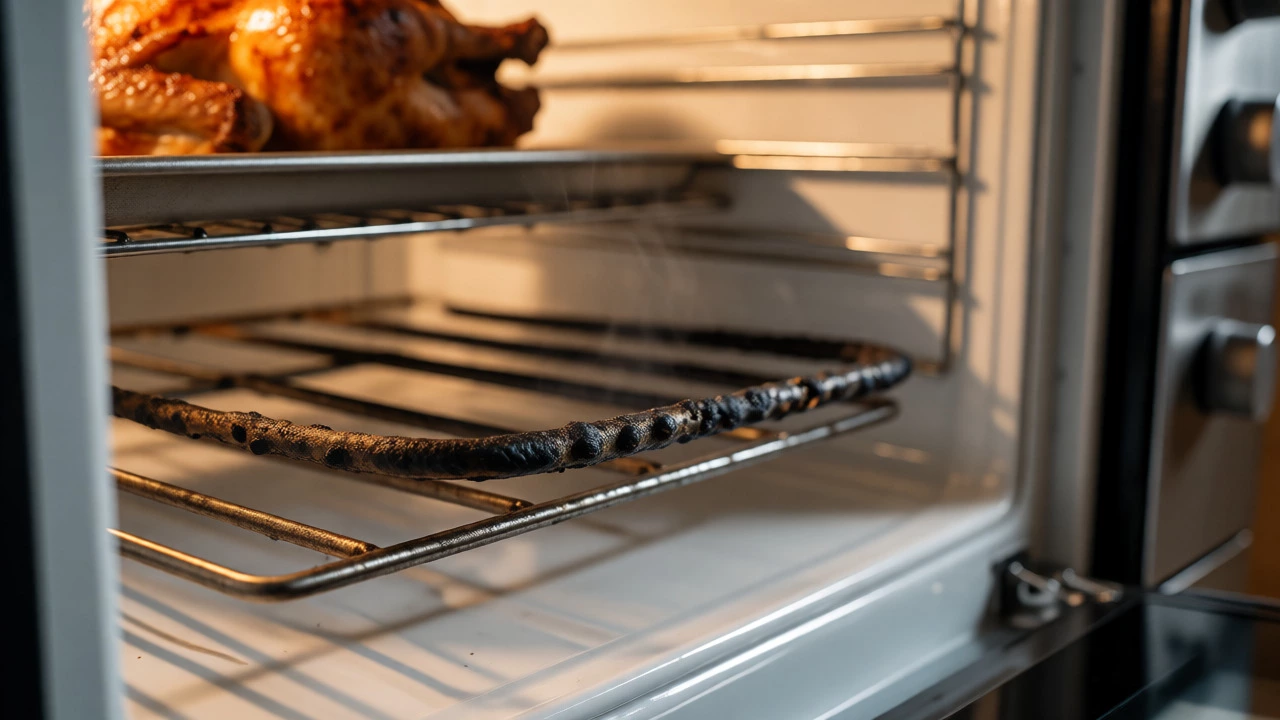
You’re halfway through roasting a chicken when the temperature drops. The light is on, but it’s cold inside. Panic sets in. Is this the end of your electric oven, or can you save it? The short answer: yes, most electric ovens are highly repairable. Unlike older mechanical units, modern ovens are modular systems where individual components fail independently. You rarely need to replace the whole unit unless the control board or casing is severely damaged.
This guide breaks down exactly what goes wrong, which parts are cheap fixes versus expensive replacements, and how to decide if calling a pro is worth it. We’ll look at real-world scenarios from Toronto kitchens, where high humidity and hard water sometimes accelerate wear on specific components.
The Most Common Culprits Behind Broken Ovens
When an electric oven stops working properly, it’s almost always one of three things: the heating element, the thermostat, or the door seal. Let’s isolate the problem so you don’t buy the wrong part.
The Heating Element: This is the #1 failure point. If your oven doesn’t heat up at all, or only heats from the top (broil) but not the bottom (bake), the element is likely burnt out. Look for visible blisters, holes, or dark spots on the coil. A broken bake element means food stays raw at the bottom; a broken broil element means nothing browns on top. Replacement elements cost between $50 and $150 CAD depending on the brand.
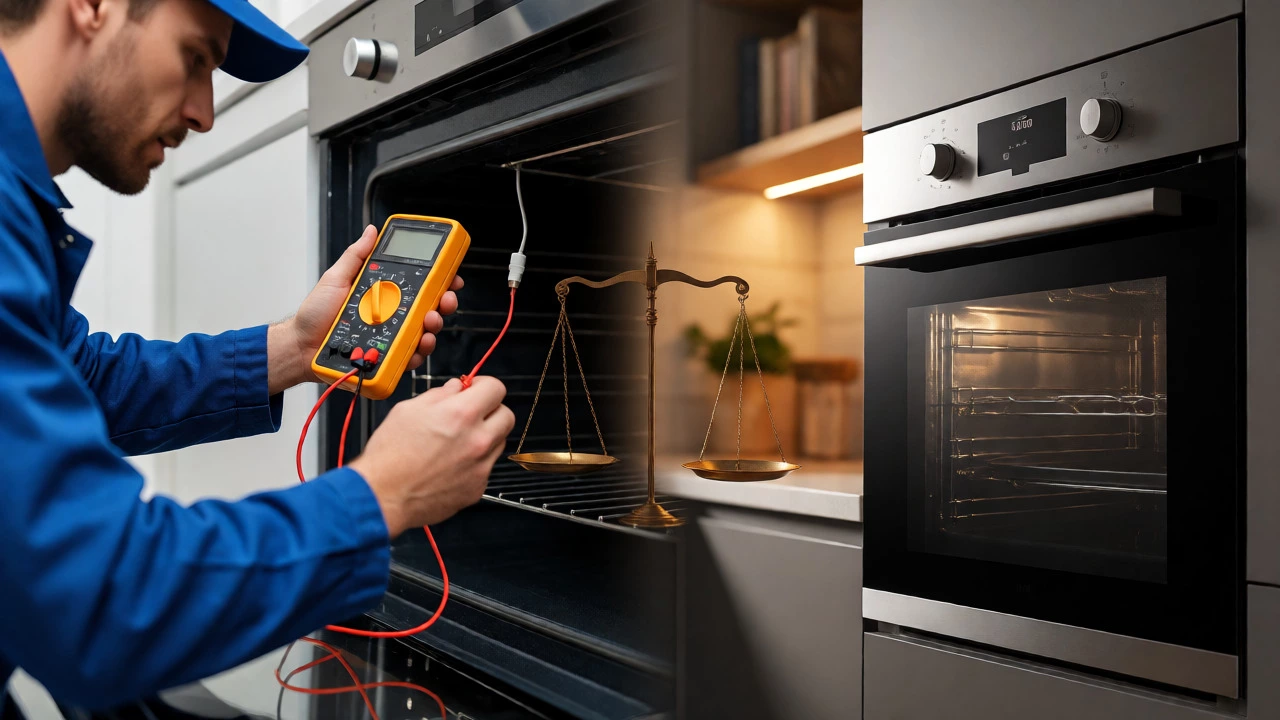
The Thermostat or Sensor: Does your oven run too hot or too cold? Maybe it preheats instantly but shuts off after ten minutes. That’s often a faulty temperature sensor a probe that measures internal heat and signals the controller. These sensors drift over time. They’re inexpensive ($30-$60) and easy to test with a multimeter. If the resistance doesn’t change as the oven heats, it’s dead.
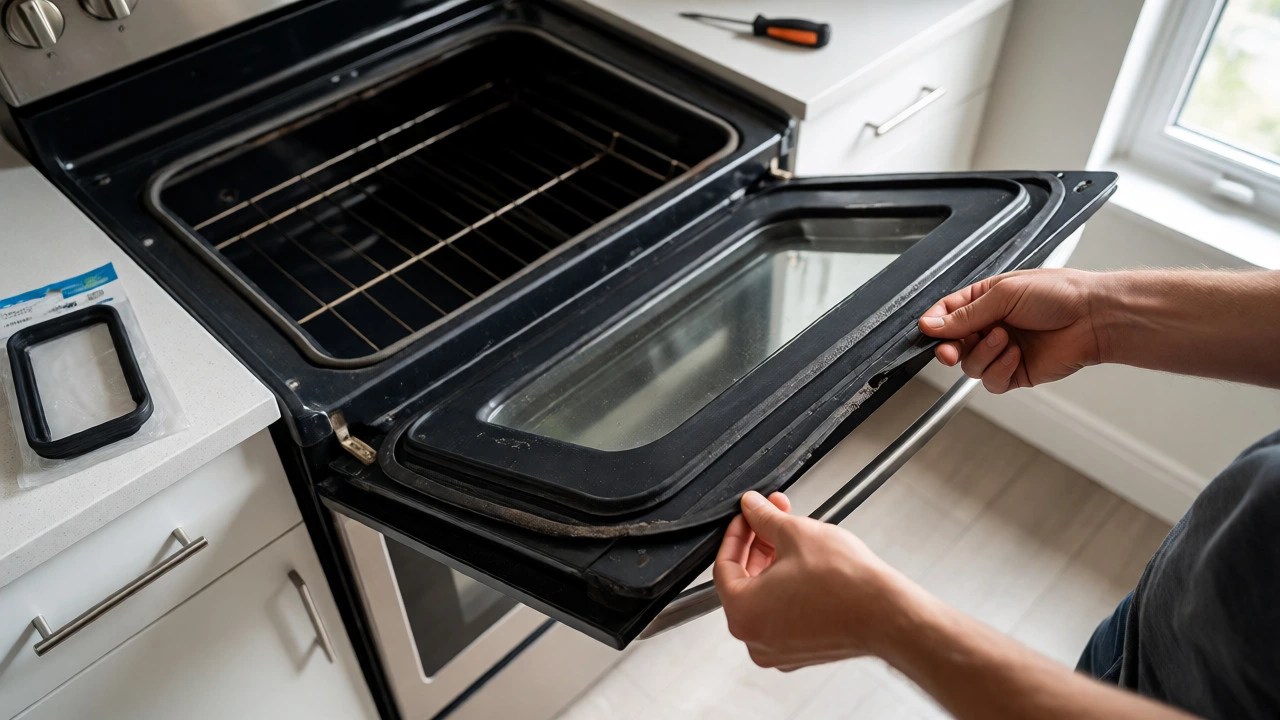
The Door Seal: Check the gasket around the door. If it’s torn, brittle, or missing chunks, heat escapes. Your oven works harder to maintain temperature, leading to uneven cooking and higher energy bills. Replacing a seal costs under $40 and takes five minutes. It’s the cheapest upgrade with the biggest impact on performance.
DIY vs. Professional Repair: Making the Financial Call
Should you grab a screwdriver or call a technician? It depends on the diagnosis and your comfort level with electricity. Always unplug the oven before touching any internal component.
| Component | Part Cost (CAD) | DIY Difficulty | Pro Labor Estimate | Total Pro Cost |
|---|---|---|---|---|
| Heating Element | $50 - $150 | Easy | $120 - $180/hr | $200 - $350 |
| Temperature Sensor | $30 - $60 | Moderate | $120 - $180/hr | $180 - $250 |
| Door Gasket | $20 - $40 | Very Easy | $120 - $180/hr | $150 - $220 |
| Control Board | $200 - $450 | Hard | $120 - $180/hr | $400 - $700+ |
| Igniter (if hybrid) | $40 - $90 | Moderate | $120 - $180/hr | $200 - $300 |
If the total professional cost exceeds 50% of a new oven’s price, replacement is usually smarter. For example, if a new mid-range oven costs $1,200, paying $700 for a control board repair might be pushing it-especially if other components are aging. However, if you have a high-end built-in model costing $3,000+, even a $600 repair is a bargain.
Troubleshooting Steps Before You Buy Parts
Don’t rush to order parts. Follow this checklist to confirm the issue:
- Check the Power Supply: Ensure the circuit breaker hasn’t tripped. Electric ovens draw significant amperage; a momentary surge can trip the double-pole breaker in your panel.
- Inspect the Clock/Timer: On many digital models, if the clock resets (e.g., after a power outage), the oven won’t start until you set the time again. It’s a silly fix, but it happens constantly.
- Test the Door Lock: Some ovens have a safety lock that prevents operation if the door isn’t fully closed. Clean the latch mechanism with rubbing alcohol; grease buildup can prevent proper engagement.
- Listen for Relays: When you turn the oven on, do you hear a click? That’s the relay engaging. No click suggests a control board or wiring issue, not a heating element.
If the oven powers on but produces no heat, and the breaker is fine, the heating element is the prime suspect. Use a multimeter to check for continuity. If the meter shows infinite resistance (OL), the circuit is broken inside the element.
When Repair Isn’t Worth It
There are rare cases where fixing an electric oven is throwing money away. Here’s when to walk away:
- Cabinet Damage: If the outer metal casing is rusted through or warped, replacing it is labor-intensive and often more expensive than a new unit.
- Discontinued Models: If your oven is over 15 years old, finding compatible parts becomes difficult. Custom orders for obsolete thermostats or boards can take weeks and cost double.
- Multiple Failures: If the control board, heating element, and door seal all fail within six months, the system is nearing the end of its life. One more breakdown will follow soon.
- Safety Hazards: Cracked glass doors or frayed internal wiring pose fire risks. While fixable, these repairs require specialized tools and expertise. If you’re renting, notify your landlord immediately.
Preventing Future Breakdowns
Most oven failures are preventable. Spills left to bake onto the heating element cause corrosion and eventual burnout. Wipe up sugary or acidic spills once the oven cools slightly. Avoid using harsh abrasive cleaners on the interior enamel, as they can scratch the surface, making future cleaning harder and accelerating wear.
Also, ensure your oven is level. An unlevel oven causes uneven baking and puts stress on the door hinges, leading to seal leaks. Use a spirit level on the rack; adjust the feet underneath if necessary.
How long do electric ovens last?
A typical electric oven lasts between 10 and 15 years. High-quality brands like Bosch or Miele can exceed 20 years with regular maintenance. Factors like frequency of use, cleaning habits, and electrical stability significantly impact lifespan.
Is it safe to drive with a broken oven element?
Yes, it is generally safe to use the remaining functional elements (e.g., using the stovetop if it's a range). However, avoid using the oven compartment itself if there are exposed wires or sparks, as this poses a fire hazard. Unplug the unit if you notice burning smells.
Can I replace a heating element myself?
For most freestanding ranges, yes. You typically need a screwdriver and maybe pliers. Disconnect power, remove the back panel or access screws inside the oven cavity, disconnect the two wire terminals, swap the element, and reconnect. Always verify compatibility with your model number before buying.
Why does my oven smell like burning plastic?
This often indicates packaging material left inside during installation or melted plastic from a nearby container. If the smell persists after cleaning, it could be overheating insulation or a failing motor fan bearing. Inspect for visible damage or unusual noises.
Do warranties cover electric oven repairs?
Manufacturer warranties typically cover defects for 1-2 years. Extended warranties may cover parts and labor for up to 5 years. Wear-and-tear items like door seals are often excluded. Check your contract details; unauthorized repairs can void remaining warranty coverage.
Final Verdict
An electric oven is rarely disposable. With basic diagnostic skills and the right parts, you can extend its life by several years. Start with the cheap fixes: check the seal, reset the clock, and inspect the element. If those fail, weigh the repair cost against a new purchase. In most cases, especially for units under 10 years old, fixing is the smart financial move.