

Can a 20-Year-Old Oven Be Repaired? A Realistic Guide
 Oct, 4 2026
Oven Repair vs. Replace Calculator
Enter the estimated costs below to see if keeping your 20-year-old oven makes financial sense compared to buying a new unit.
Analysis Results
Repair Total: $0
Cost per year of use: $0/yr
Replace Total: $0
Cost per year of use: $0/yr
You’re standing in your kitchen, staring at that trusty electric oven that has baked thousands of loaves and roasted countless chickens. It’s been with you for two decades. Suddenly, it stops heating evenly, or maybe the door won’t latch. Your first instinct might be to toss it out and buy something shiny and new from the big-box store. But wait. Can a 20-year-old oven actually be saved? The short answer is yes, often. The long answer involves weighing part costs against labor, checking if specific components are still manufactured, and deciding if your current model offers features modern units can’t match.
The Age Factor: Why Twenty Years Is Actually Young for an Oven
Here’s a fact that surprises most people: the average lifespan of a modern electric oven is only about 13 to 15 years. That means your twenty-year-old unit has already beaten the statistical odds. Why do older appliances tend to last longer? It’s not just nostalgia talking. Appliances built in the early 2000s often used heavier gauge metals, simpler mechanical timers, and fewer delicate electronic control boards than the sleek, touchscreen-heavy models sold today. When you look at a legacy appliance like this, you’re looking at robust engineering designed for longevity rather than planned obsolescence.
However, age does bring wear. Rubber seals harden, wires become brittle, and lubricants dry up. The question isn’t whether it *can* be repaired, but whether repairing it makes financial sense compared to replacement. If the core structure-the cavity, the frame, and the main heating elements-is intact, you have a solid candidate for repair.
Common Failures in Older Electric Ovens
Before you call a technician, understand what usually breaks. Knowing the symptoms helps you diagnose the issue and estimate the difficulty. Most problems in older units fall into three categories: electrical, mechanical, or thermal.
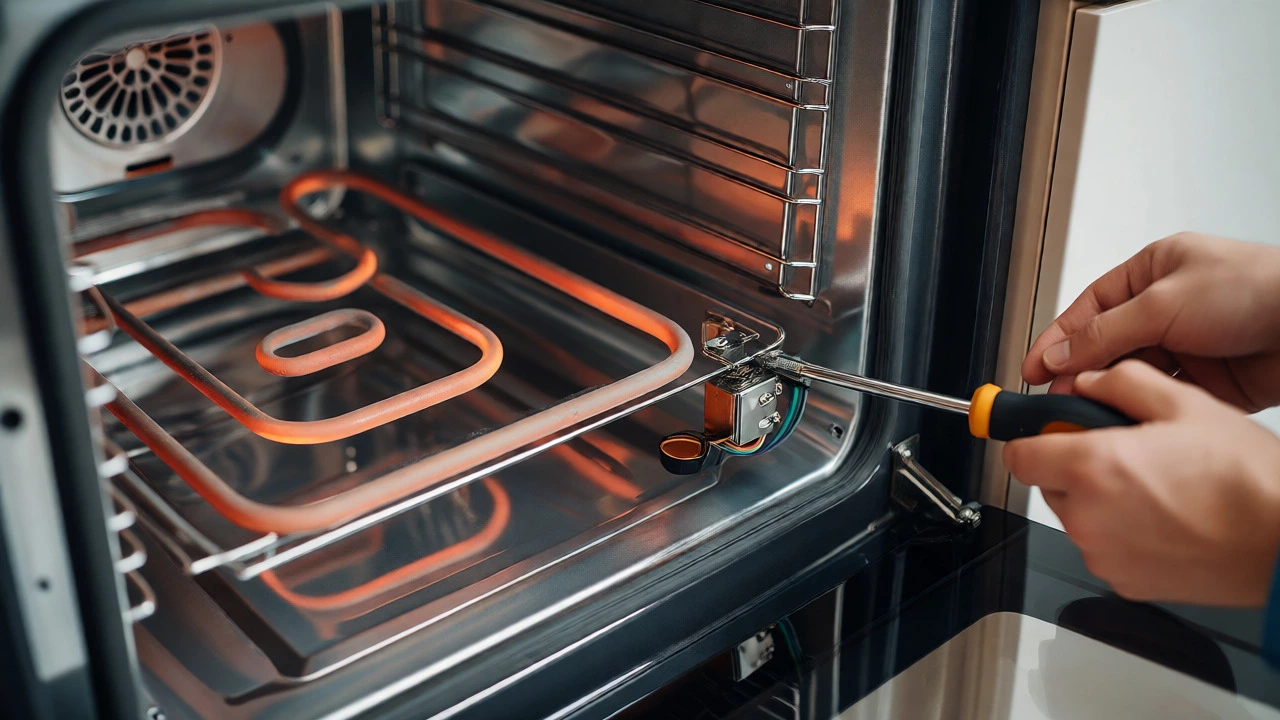
- Heating Elements: These are the workhorses. If the bake element (bottom) or broil element (top) burns out, the oven won’t heat. Replacement parts for standard circular or straight elements are widely available because they use universal sizing standards.
- Thermostats and Sensors: Older ovens often use a mechanical bimetallic thermostat. These are simple, cheap, and easy to replace. Newer digital sensors can fail too, but finding a compatible sensor for a 2004 model might require cross-referencing part numbers carefully.
- Door Seals and Hinges: Heat escapes through worn gaskets, causing uneven cooking and higher energy bills. Replacing a seal is a low-cost fix that significantly improves performance. Hinges can sag over time, making the door difficult to close tightly.
- Control Boards: This is the potential dealbreaker. If the electronic control panel fails, finding a replacement board for a discontinued model can be expensive or impossible. Mechanical knobs and dials rarely fail completely; they just get sticky or lose calibration.
The Parts Availability Challenge
This is the biggest hurdle for any vintage appliance repair. Manufacturers typically support spare parts for 7 to 10 years after discontinuing a model. After that, you enter the "obsolete" zone. Does that mean you’re stuck? Not necessarily.
Many internal components are standardized across brands. For example, a heating element from a Whirlpool might fit a Maytag, or a generic door hinge might work on several GE models. You need to identify the exact model number, usually found on a sticker inside the oven door frame or behind the kickplate. Once you have that, search specialized appliance parts websites rather than general retailers. They often stock "NOS" (New Old Stock) items or compatible alternatives.
If the specific control board is gone forever, don’t panic yet. Some independent technicians can rebuild circuit boards by replacing blown capacitors or relays. This is cheaper than buying a whole new oven but requires a specialist, not a general handyman.
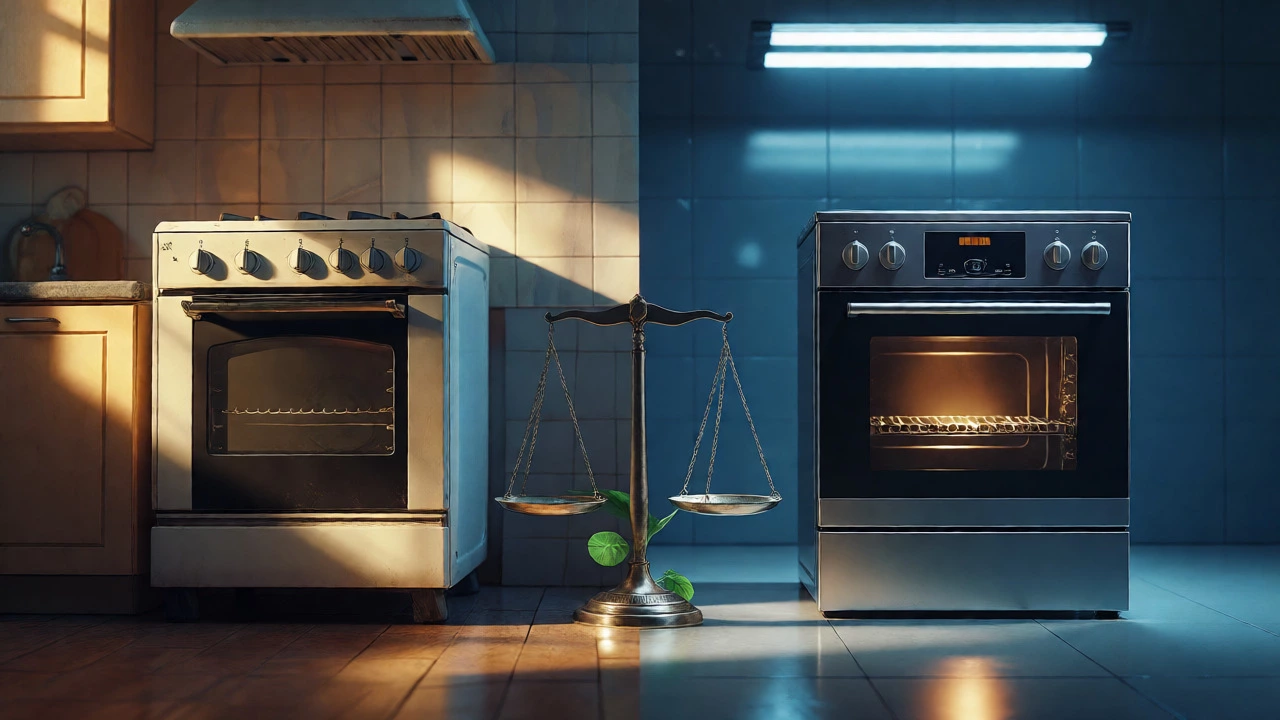
Repair vs. Replace: Doing the Math
Let’s talk money. A basic service call ranges from $75 to $150 depending on your location. Labor rates hover around $100 to $150 per hour. If the fix takes one hour and the part costs $50, you’re looking at roughly $200 total. Now, compare that to a new entry-level electric oven, which starts around $600 to $800 plus installation fees.
| Factor | Repair Option | Replacement Option |
|---|---|---|
| Initial Cost | $150 - $300 (Parts + Labor) | $600 - $1,200+ (Unit + Install) |
| Lifespan Extension | 2 - 5 Years (if well-maintained) | 10 - 15 Years |
| Energy Efficiency | Lower (older insulation/seals) | Higher (better insulation, convection) |
| Risk | Another component may fail soon | New warranty coverage |
| Environmental Impact | Low (keeps e-waste out of landfill) | High (manufacturing + disposal) |
The rule of thumb: If the repair cost exceeds 50% of the price of a comparable new unit, consider replacing. However, if you love your oven’s capacity, its specific burn characteristics, or simply hate the idea of learning a new interface, spending $250 to keep it running for another few years is often worth it.
When You Should Walk Away
Not every old oven is worth saving. There are clear signs that the end is near. If the oven cavity itself is rusted through, no amount of part swapping will help. Structural integrity matters. Also, check the wiring. If you see scorch marks, melted plastic, or frayed insulation near the back of the unit, the risk of electrical fire increases. Rewiring an entire oven harness is labor-intensive and costly.
Consider safety features too. Modern ovens come with automatic shut-offs, cool-touch doors, and better ventilation systems. If your old unit lacks these and you have small children or pets, upgrading might be a safety decision rather than a financial one. Additionally, if the oven uses a gas ignition system that’s failing repeatedly, the complexity of servicing older gas valves can drive up costs quickly.
How to Extend the Life of Your Repaired Oven
Once you’ve fixed the issue, protect your investment. Older ovens are less forgiving of neglect. Clean spills promptly, as sugar and grease can corrode enamel faster on older finishes. Avoid using harsh abrasive cleaners that scratch the interior coating. Check the door seal annually; if paper slips out easily when the door is closed, replace the gasket immediately to prevent heat loss.
Also, calibrate your thermostat. Even if the new part works, it might run hot or cold. Buy an inexpensive oven thermometer, place it in the center, and set the dial to 350°F. If the actual temperature is off by more than 25 degrees, adjust the thermostat screw (usually accessible behind the knob) or note the offset for future baking. This small step ensures consistent results and prevents unnecessary strain on the heating elements.
Is it safe to keep using a 20-year-old electric oven?
Yes, generally it is safe if the unit is well-maintained. Key safety checks include ensuring the power cord and plug are in good condition, the door closes securely without gaps, and there are no exposed wires or burnt smells during operation. If the oven heats evenly and shuts off correctly when unplugged, it poses no greater risk than a newer model.
Where can I find parts for a discontinued oven model?
Start by locating the model number tag, usually inside the door frame. Use this number on specialized appliance parts websites like RepairClinic, AppliancePartsPros, or PartSelect. These sites often list compatible substitutes if the original part is obsolete. Local salvage yards or online marketplaces like eBay are also good sources for rare control boards or cosmetic panels.
What is the most common part to fail in an old oven?
The bake and broil heating elements are the most frequent failures due to constant thermal cycling. Door gaskets are also common culprits, leading to poor heating efficiency. Electronic control boards fail less often in very old models but are harder to replace if they do break.
How much does it cost to repair an old oven?
Expect to pay between $150 and $300 for typical repairs involving parts and labor. Simple fixes like replacing a light bulb or shelf clip cost under $50. Complex jobs involving control boards or rewiring can exceed $400. Always ask for a diagnostic fee upfront, which is often waived if you proceed with the repair.
Are newer ovens really more energy efficient?
Modern ovens offer better insulation and convection fans that cook food faster, potentially saving energy. However, the difference is marginal for occasional home cooks. Unless you bake daily, the energy savings from a new oven likely won't offset the purchase price within a few years. Focus on maintaining your current oven's seals and calibration for best efficiency.