

Boiler Servicing Frequency: How Often Should You Service Your Boiler?
 Sep, 7 2026
Boiler Service Scheduler & Cost Estimator
Enter details to see your maintenance schedule.
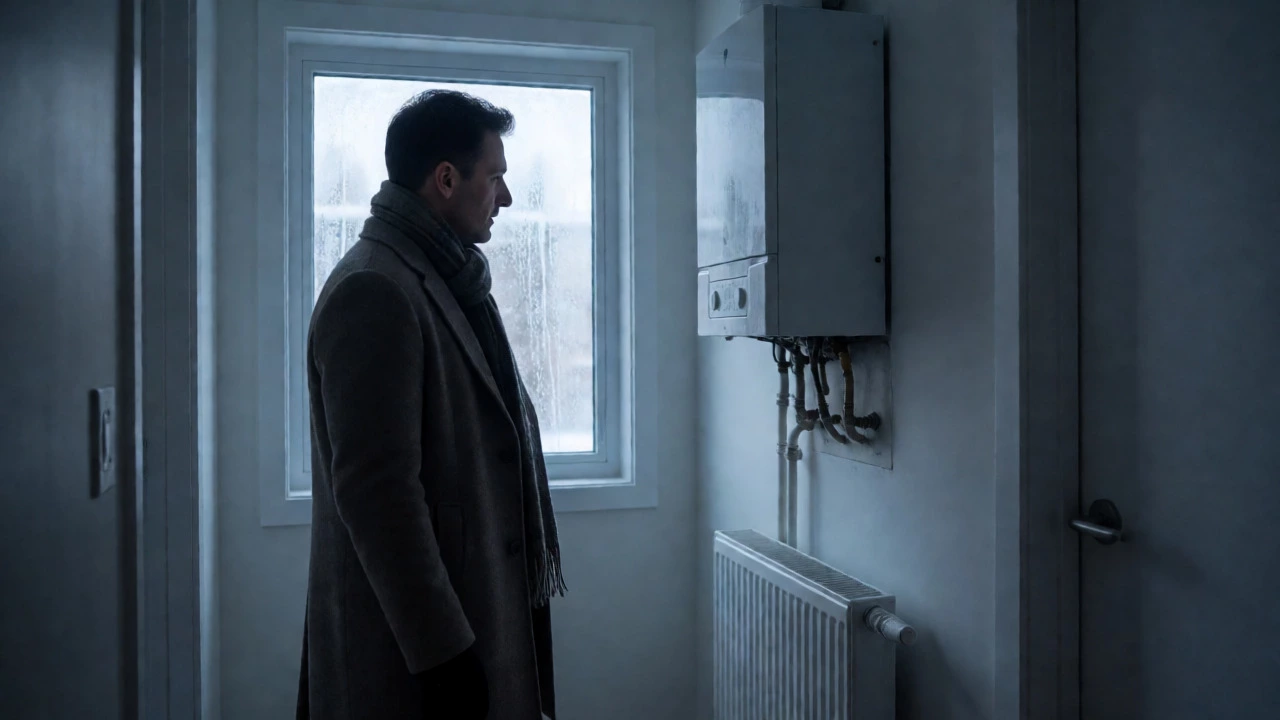
You wake up on a freezing January morning in Toronto. The radiators are cold. The hot water is nonexistent. And your boiler is making that ominous clunking noise you’ve been ignoring for months. Sound familiar? Most homeowners treat their heating systems like they’re invisible until they break. But here’s the hard truth: waiting for a breakdown costs way more than preventing one.
The question isn’t just about when to call a technician; it’s about understanding why regular attention keeps your home warm and your wallet full. So, how often does a boiler need to be serviced? The short answer is once a year. But the real story involves what happens inside that metal box, who needs to do the work, and why skipping it might void your warranty faster than you can say "repair bill."
The One-Year Rule (And Why It Exists)
If you own a gas or oil-fired boiler, the industry standard-and often the legal requirement-is an annual service. This isn't arbitrary. Unlike electric heaters, combustion-based boilers burn fuel. That process creates byproducts like carbon monoxide, soot, and condensation. Over twelve months of heavy use, especially during Canadian winters, components degrade. Dust clogs filters. Seals dry out. Pressure fluctuates.
Think of it like changing the oil in your car. You don’t wait until the engine seizes to top up fluids. Similarly, a yearly check-up catches minor issues-like a slightly loose flue connection or a drop in pressure-before they become catastrophic failures. In Ontario, where we live, the Technical Standards and Safety Authority (TSSA) mandates strict adherence to safety codes. A certified technician doesn’t just look at the boiler; they verify that the entire ventilation system is clear and safe.
Gas vs. Electric: Does the Fuel Type Change the Schedule?
Not all boilers are created equal, and their maintenance needs differ based on what powers them. If you have a modern electric boiler, the schedule is less rigid because there’s no combustion. No flame means no carbon monoxide risk and no soot buildup. However, that doesn’t mean you can ignore it entirely. Electrical connections loosen over time due to thermal expansion and contraction. Water scale still accumulates if you live in a hard-water area, which many parts of Toronto are.
For electric units, a visual inspection every two years is often sufficient, but checking the pressure gauge monthly is smart practice. Conversely, gas boilers demand stricter compliance. Because they involve open flames and gas lines, they require professional intervention annually. Oil-fired boilers fall somewhere in the middle; they need cleaning more frequently than gas because oil leaves residue, but the combustion analysis is similar.
| Boiler Type | Recommended Service Interval | Key Risks if Ignored | DIY Checks |
|---|---|---|---|
| Gas-Fired | Every 12 months | Carbon monoxide leaks, efficiency loss | Pressure gauge, visible soot |
| Oil-Fired | Every 12 months | Nozzle clogging, tank corrosion | Tank level, smell of oil |
| Electric | Every 24 months | Scale buildup, electrical faults | Water pressure, unusual noises |
| Combi Boiler | Every 12 months | Hot water delay, diverter valve failure | Flow rate, temperature consistency |
What Actually Happens During a Service?
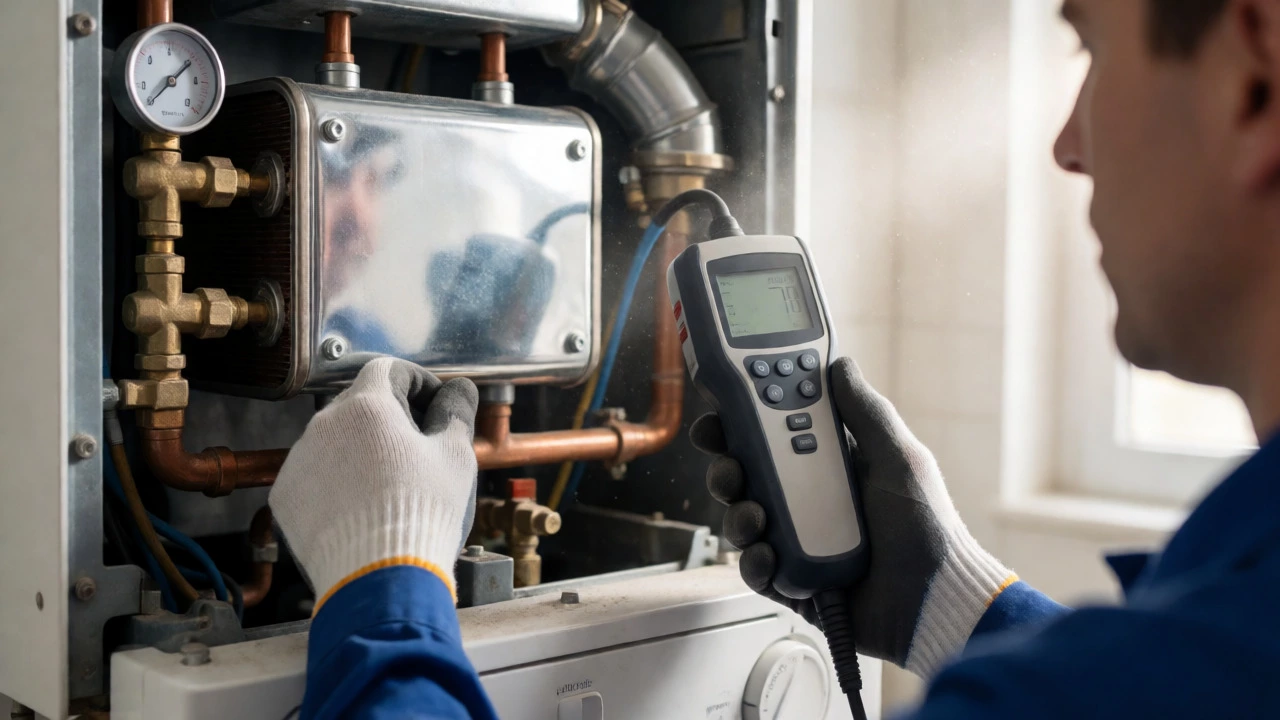
A lot of people think a service is just a guy kicking the tires and saying "looks good." Wrong. A proper service is a diagnostic deep-dive. When a qualified engineer visits, they aren’t just wiping dust off the casing. They perform a series of critical checks that keep your system running efficiently.
- Combustion Analysis: They measure oxygen and carbon dioxide levels in the exhaust. If the mix is wrong, you’re wasting money on unburned fuel and risking dangerous emissions.
- Flue Integrity Check: They ensure the vent pipe isn’t blocked by bird nests, ice, or debris. A blocked flue can push deadly gases back into your living space.
- Component Inspection: They check the heat exchanger for cracks, inspect the fan motor for wear, and test the ignition system. These are the expensive parts that fail quietly before they quit loudly.
- Safety Device Testing: They verify that the gas cut-off valve shuts down properly in case of a fault. It’s a fail-safe mechanism you hope never triggers, but must work when needed.
Without this technical scrutiny, you’re flying blind. You might notice your energy bills creeping up by 10-15% without realizing your boiler is working twice as hard to produce the same amount of heat.
Signs You Need Attention Before the Year Is Up
While the annual rule is solid, life doesn’t always follow the calendar. Sometimes, your boiler screams for help early. If you notice any of these red flags, don’t wait for your scheduled appointment. Call a pro immediately.
Frequent Pilot Light Issues: If your pilot light keeps going out or burns yellow instead of blue, something is wrong with the gas supply or airflow. A healthy flame is steady and blue.
Weird Noises: Banging, whistling, or gurgling sounds usually indicate airlocks, low water pressure, or kettling (scale buildup). Kettling sounds like a kettle boiling in your wall and significantly reduces efficiency.
Loss of Hot Water or Heating: If the shower gets lukewarm after five minutes, or some radiators stay cold while others are hot, your pump or diverter valve might be failing.
Unexplained Smells: A faint gas smell near the boiler is a serious warning. While not always a leak, it requires immediate professional assessment to rule out dangers.
The Financial Argument: Service Cost vs. Replacement Cost
Let’s talk numbers. In Toronto, a standard annual boiler service typically ranges from $80 to $150 CAD, depending on the provider and complexity. Compare that to the cost of a major repair. Replacing a heat exchanger can run $600-$1,200. Fixing a failed pump? Another $300-$500. And if you neglect maintenance long enough, you might face a full replacement, which costs between $3,000 and $6,000 installed.
Regular servicing extends the lifespan of your unit. A well-maintained boiler can last 15-20 years. A neglected one might die in 10. By spending a fraction of the replacement cost annually, you protect your capital investment. Plus, most manufacturers require proof of annual servicing to honor warranties. Skip the service, and you might find yourself paying thousands for a part that should have been covered.

Who Should Do the Work?
Do not attempt to service a gas boiler yourself unless you are licensed. In Canada, gas work is highly regulated. You need a technician registered with the TSSA or holding a valid Gas Technician license (G1 or G2). A handyman might change a filter, but they cannot legally adjust gas pressure or certify safety compliance.
When hiring, ask for credentials upfront. A reputable company will provide a detailed report after the service, outlining exactly what was checked and what needs future attention. Keep these records. They are invaluable when selling your home, as buyers want to see a history of consistent care.
Final Thoughts on Keeping Warm
Your boiler is the heart of your home’s comfort. Treating it with indifference leads to stress, cold nights, and unexpected expenses. Mark your calendar now. Set a reminder for next autumn, before the first frost hits. Get it checked, get it clean, and enjoy peace of mind knowing your heat will be there when you need it most.
Can I skip my boiler service if the unit is new?
Yes, you should still service a new boiler annually. New units can have manufacturing defects or installation errors that only appear after a few months of use. Furthermore, most manufacturer warranties explicitly require annual professional servicing to remain valid. Skipping it could void your coverage, leaving you liable for repairs on a brand-new machine.
Is a boiler service the same as a gas safety certificate?
They are related but distinct. A gas safety certificate is a legal document required for landlords renting properties, confirming the appliance is safe to use. A boiler service is a comprehensive maintenance check to ensure efficiency and longevity. While a service often includes the checks needed for a safety certificate, the primary goal of a service is preventative maintenance, whereas the certificate is a regulatory compliance tool.
How long does a typical boiler service take?
Most routine services take between 45 minutes to an hour. This allows enough time for the technician to disassemble key components, clean them, perform combustion tests, and reassemble the unit correctly. If significant issues are found, such as a cracked heat exchanger or severe scale buildup, the visit may extend to two hours or more, potentially requiring a follow-up appointment for parts replacement.
Does servicing improve energy efficiency?
Absolutely. A dirty burner or a clogged heat exchanger forces the boiler to work harder to reach the set temperature, consuming more gas or electricity. Cleaning these components restores optimal heat transfer rates. Studies suggest that a poorly maintained boiler can lose up to 15% of its efficiency, meaning a simple service can pay for itself through lower utility bills within a single heating season.
What is the best time of year to book a service?
Late summer or early autumn (September to October) is ideal. This ensures your boiler is ready for the winter rush before demand spikes. Technicians are less booked, so you might find better availability and sometimes lower rates compared to the frantic December period. Getting ahead of the curve prevents being stuck in a queue when your heat fails during a snowstorm.