

Why Do I Have No Hot Water All of a Sudden? Common Causes and Quick Fixes
 Dec, 1 2025
If you turned on the shower this morning and got nothing but icy water, you’re not alone. Thousands of homeowners in Toronto woke up to the same problem this week. One minute your water was hot, the next-nothing. It’s frustrating, especially in December when even a lukewarm shower feels like a luxury. The good news? Most of the time, this isn’t a full system failure. It’s usually something simple you can fix yourself-or know when to call a pro.
Your water heater isn’t broken-it’s just confused
Most people assume no hot water means the water heater is dead. But a unit that’s been running fine for years doesn’t just die overnight. More often, it’s a setting, a component, or a power issue that’s out of sync. Start by checking the basics before you panic or call a technician.
First, look at the thermostat. If it’s set below 120°F (49°C), you might not notice the difference when the water cools slightly. In older electric models, the thermostat can drift or fail. Turn it up to 130°F and wait an hour. If hot water returns, the thermostat was the culprit. If not, move on.
Electric water heaters have two heating elements: upper and lower. If the upper one fails, you might get a few gallons of hot water before it turns cold. That’s because the top element heats the upper tank first. Once that’s used up, the lower element takes over-if it’s working. If the lower one is dead, you’re stuck with cold water after the first shower. You can test these with a multimeter, but if you’re not comfortable with electricity, skip ahead to the breaker.
Check the circuit breaker
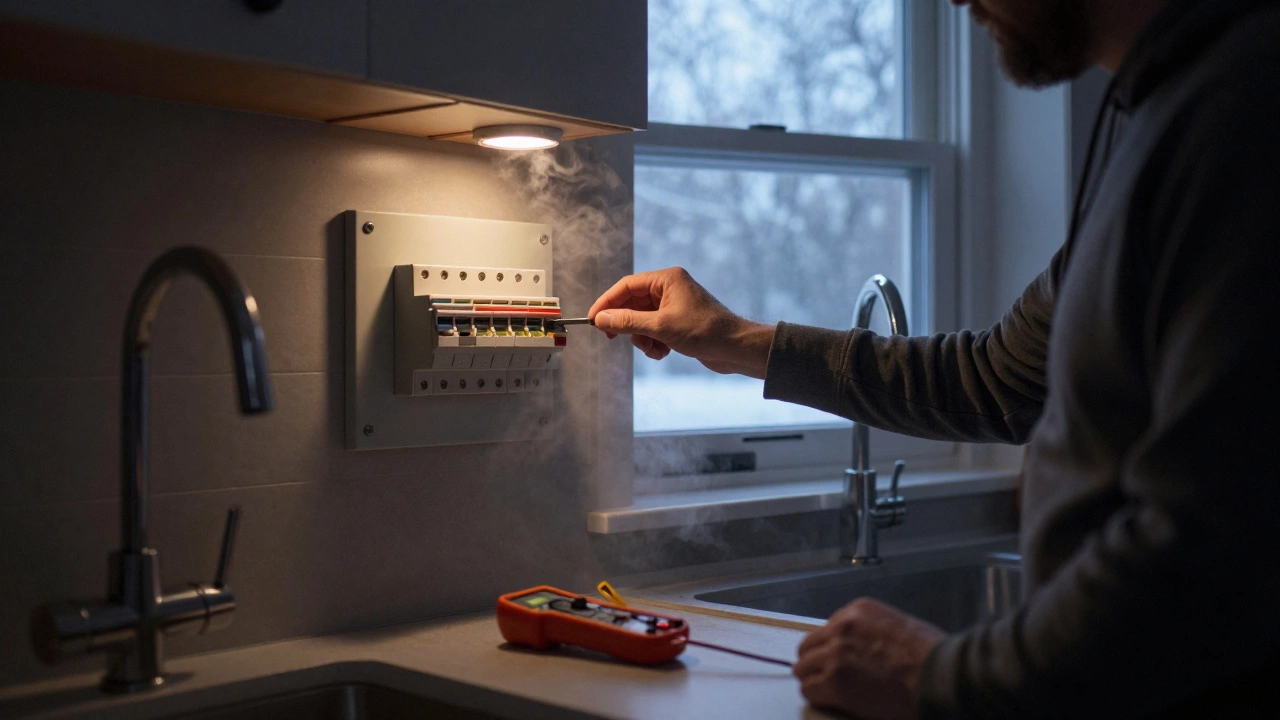
Water heaters in Canada usually run on 240 volts. That means they’re connected to a double-pole breaker-two switches side by side. If one side trips, the heater runs on half power. It might still make noise, but it won’t heat water properly. Head to your electrical panel and look for a breaker that’s halfway between on and off. Flip it all the way off, then back on. You’ll hear a click. Wait 15 minutes and test the water again.
Some older homes have fuses instead of breakers. If you have a fuse box, check for a blown fuse near the water heater circuit. Replace it with the exact same amperage. Don’t use a higher-rated fuse-that’s a fire risk.
Gas water heaters: pilot light or thermocouple
If you have a gas water heater, the issue is likely the pilot light. It’s small, but it’s the spark that ignites the main burner. If it’s out, you get cold water. Look through the inspection window on the side of the tank. If you don’t see a blue flame, the pilot’s out.
Most modern gas heaters have an electronic ignition, but older ones use a standing pilot. To relight it, turn the gas valve to “Pilot,” press and hold the button, and use a long lighter to ignite the pilot. Keep holding the button for 30-60 seconds after it lights. This lets the thermocouple heat up and signal the gas valve to stay open. If the flame goes out when you release the button, the thermocouple is faulty. It’s a $25 part and takes 15 minutes to replace.
Don’t try to relight a gas heater if you smell gas. That’s a leak. Turn off the gas valve, open windows, leave the house, and call your utility provider immediately.
Thermostat or dip tube failure
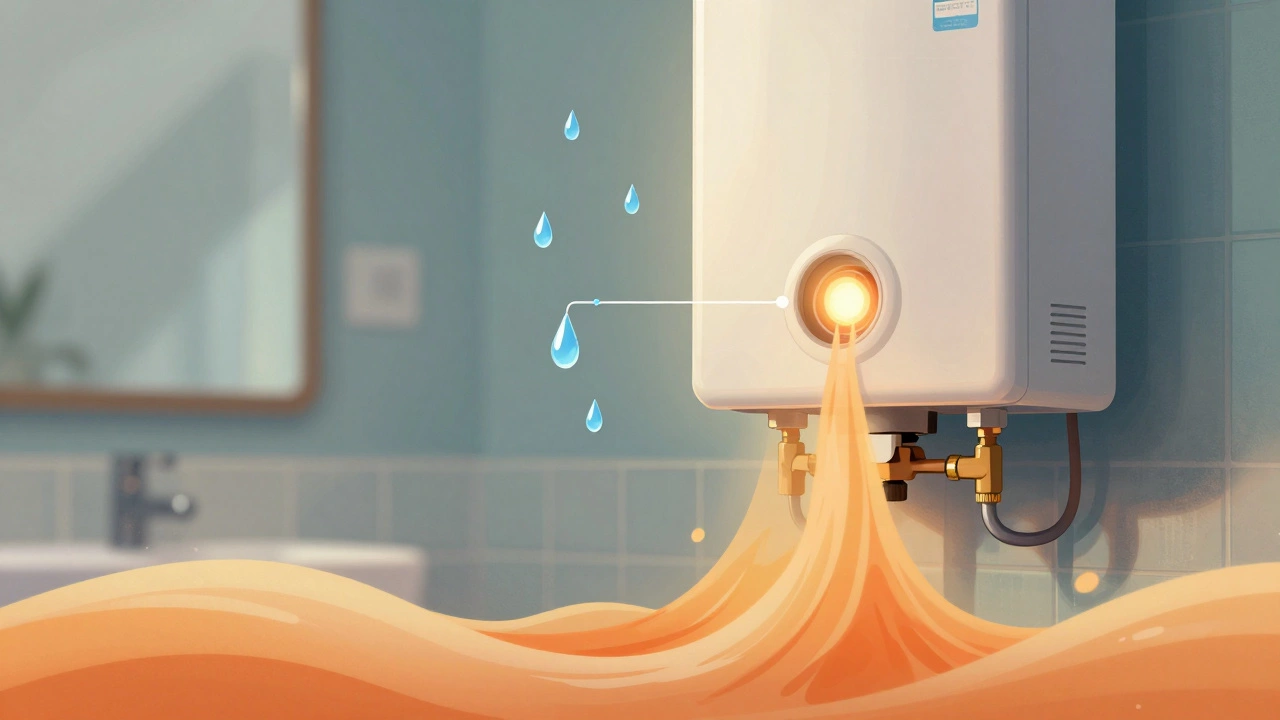
Another sneaky cause is a broken dip tube. This is the long plastic pipe that sends cold water to the bottom of the tank. If it cracks or melts-common in units over 10 years old-cold water gets mixed in with the hot water right at the top. You’ll get a burst of hot water, then it turns cold fast. You might even find white plastic flakes in your faucet filters.
Replacing a dip tube isn’t hard, but you need to drain the tank first. If your heater is over 12 years old, it’s usually cheaper to replace the whole unit than to fix this. Most dip tubes from the 90s and early 2000s were made of low-quality polypropylene that breaks down over time. Newer tanks use better materials.
Pressure relief valve or sediment buildup
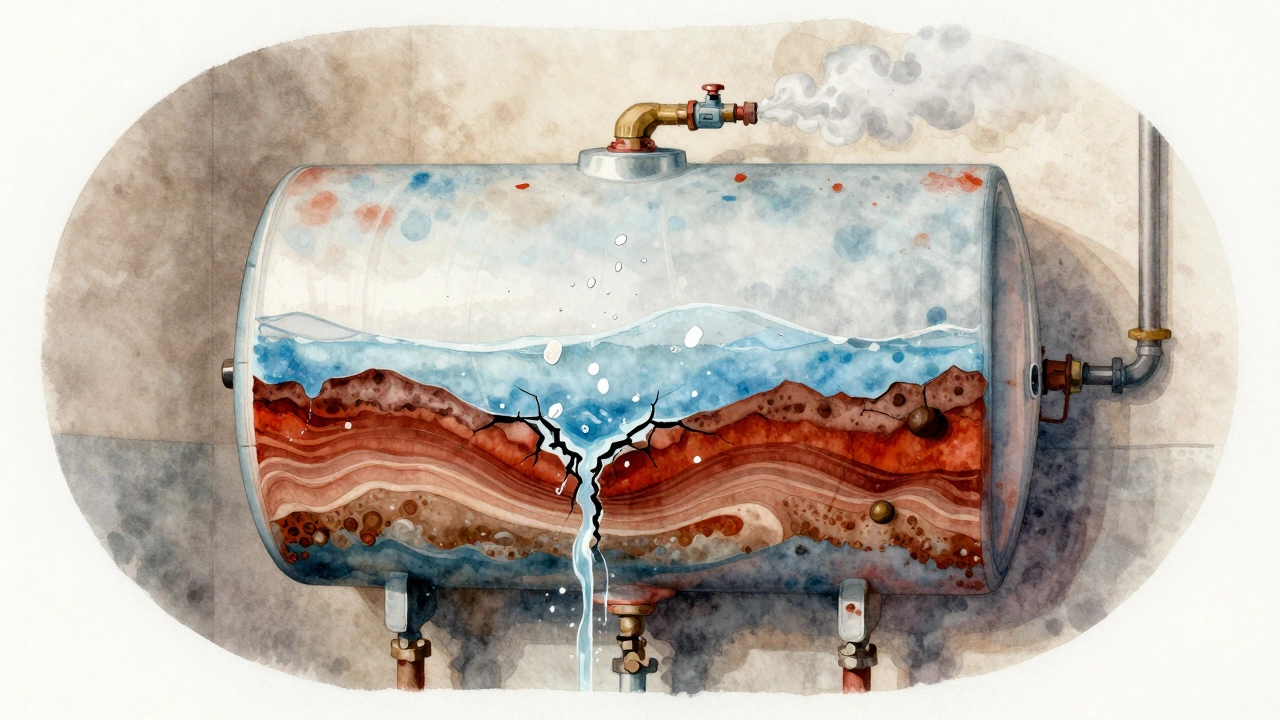
Sediment builds up at the bottom of every water heater. In hard water areas like Toronto, it happens faster. That layer of mineral crust acts like insulation. The burner or element can’t heat the water efficiently. You’ll notice longer recovery times and less hot water overall.
Flush the tank. Turn off the power or gas. Close the cold water inlet. Attach a garden hose to the drain valve at the bottom and run it to a floor drain or outside. Open the valve and let it drain until the water runs clear. This takes 20-40 minutes. Then close the valve, open the cold water inlet, and turn the heater back on.
While you’re at it, test the pressure relief valve. Lift the lever slightly. You should hear a rush of water and steam. If nothing comes out, or it drips constantly after, the valve is stuck. Replace it. It’s a $30 part and prevents dangerous overpressure.
It’s not the heater-it’s the plumbing
Before you assume the heater is the problem, check if it’s isolated to one fixture. If only the shower has no hot water but the kitchen sink does, the issue is likely a faulty mixing valve or cartridge inside the shower faucet. Replace the cartridge-it’s a $20 fix.
Also, check if you have a recirculating pump. Some homes have these to save water. If the pump fails or the timer is off, hot water might not reach certain fixtures. Check the pump’s power and settings.
And if you’re on a tankless system, check the error code on the display. Tankless heaters shut down for low flow, dirty filters, or frozen inlet pipes. In Toronto winters, the outdoor intake pipe can freeze. Try running hot water at another faucet to see if it clears the blockage.
When to call a professional
Call a licensed technician if:
- You smell gas and can’t relight the pilot
- The tank is leaking from the bottom
- You’ve tried all the fixes and still have no hot water
- Your heater is over 12 years old and keeps failing
- You’re not comfortable working with electricity or gas
Water heater replacement costs in Toronto range from $1,800 to $4,000 depending on type and installation. But if your unit is older than 10 years, it’s probably more cost-effective to replace it now than to keep repairing it. Modern units are 20-30% more efficient and come with 10-12 year warranties.
Prevent this from happening again
Here’s how to avoid another cold shower:
- Flush your tank once a year-preferably in spring before winter hits
- Set your thermostat to 120°F. It’s safe, efficient, and prevents scalding
- Install a water softener if you have hard water
- Check the pressure relief valve every 6 months
- Replace the anode rod every 3-5 years. It’s the sacrificial metal that keeps your tank from rusting
Most water heater failures happen because of neglect-not age. A well-maintained unit can last 15-20 years. A neglected one? Maybe 8.