

Who Would Fix a Bathroom Extractor Fan? Experts You Can Trust
 Feb, 15 2026
Bathroom Extractor Fan CFM Calculator
Enter Your Bathroom Details
Results
Enter your bathroom details to see the recommended CFM rating.
When your bathroom extractor fan stops working, it’s not just annoying-it’s a health risk. Moisture builds up, mold creeps in, and walls start to peel. You don’t need to live with a silent, broken fan. But who do you call when it goes out? Not every handyman knows how to fix an extractor fan properly. And not every electrician is trained for bathroom ventilation systems. Here’s who actually fixes these units-and what to watch out for.
Electricians Are the Most Common Choice
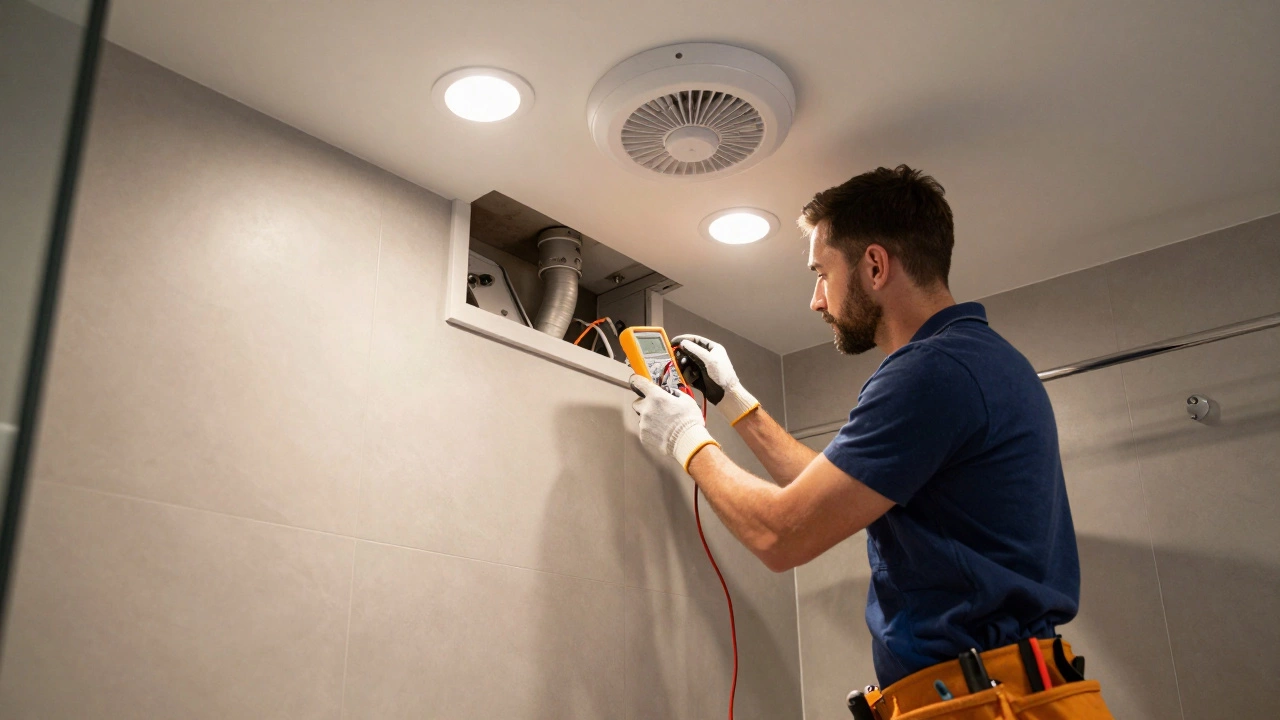
Most people call an electrician first. And for good reason. Bathroom extractor fans run on electricity. They’re wired into your home’s circuit, often connected to a light switch or a timer. If the fan won’t turn on at all, the issue is likely a blown fuse, a faulty switch, or a tripped GFCI outlet. A licensed electrician can test the wiring, replace the switch, or reset the circuit safely. They’ll also check if the fan is on a dedicated circuit, which is required by Ontario’s electrical code for bathroom exhaust units.
But here’s the catch: electricians don’t always fix the fan itself. Many will say, “The wiring’s fine,” and stop there. If the motor is seized, the blades are clogged with dust, or the housing is cracked, they might hand you a receipt and tell you to buy a new unit. That’s not wrong-but it’s not the full solution.
HVAC Technicians Know the System Best
If your fan runs but sounds like a jet engine, or if it’s not pulling air out at all, you need someone who understands airflow. That’s an HVAC technician. These professionals deal with ventilation systems daily. They know how ducts get blocked by insulation, how condensation builds up inside pipes, and how to test exhaust velocity with an anemometer.
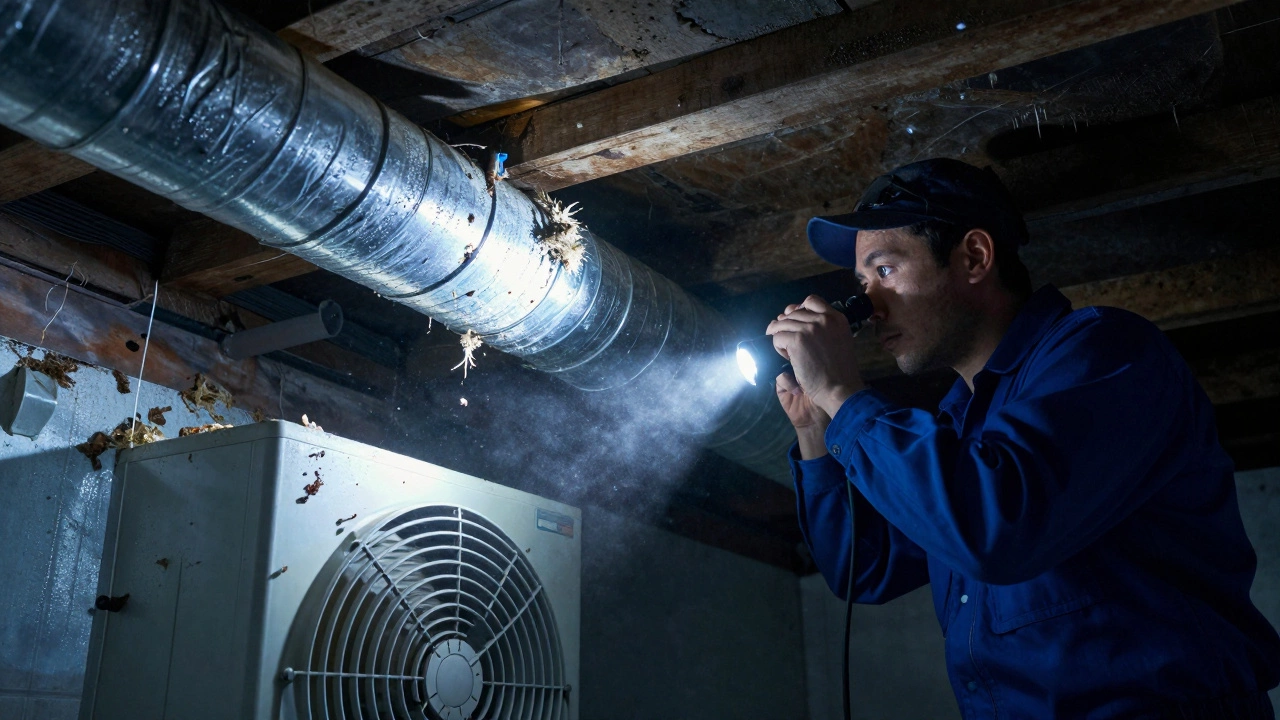
In Toronto, many homes have extractor fans connected to long duct runs that lead through the attic or roof. Over time, these ducts collect lint, dust, and even bird nests. An HVAC tech can crawl into the attic, inspect the ductwork, clean out debris, and seal leaks with foil tape (not duct tape). They’ll also check if the fan’s CFM rating matches the bathroom size. A 50-square-foot bathroom needs at least 50 CFM. Too weak? You’ll still get mold. Too strong? You’ll waste energy and pull cold air in from outside.
Plumbers Sometimes Get Called-But Why?
You might be surprised to hear plumbers get called for extractor fan repairs. But in older homes, especially in Toronto’s 1970s and 80s builds, the exhaust duct often runs alongside the plumbing vent stack. If there’s a leak or blockage in the vent pipe, moisture can back up into the fan housing. Plumbers see this all the time. They’ll spot condensation stains near the fan, trace the duct path, and realize the issue isn’t electrical-it’s a plumbing-related moisture problem.
They’ll also check if the fan’s exhaust terminates outside the roof, not into the soffit. A common mistake? Fans venting into the attic. That’s a recipe for rot. A good plumber will confirm the duct exits through the roof or side wall, not just into a cavity.
Specialist Extractor Fan Technicians Exist-And They’re Worth It
There’s a small but growing group of technicians who specialize in ventilation systems. These aren’t general handymen. They focus on bathroom fans, kitchen hoods, and whole-house ventilation. They carry tools like multimeters, duct borescopes, and static pressure gauges. They know brands like Broan is a leading manufacturer of residential ventilation products with models rated for moisture control and noise reduction. Also known as Broan-Nutone, it has been a standard in North American homes since the 1930s., Vent-A-Hood is a brand specializing in high-efficiency ventilation systems with quiet operation and energy recovery features. Also known as Vent-A-Hood Systems, it is commonly used in modern Canadian homes for its low decibel ratings., and NuTone is a widely available brand offering affordable, reliable bathroom exhaust fans with integrated lighting. Also known as NuTone Ventilation, it is frequently installed in new builds across Ontario..
These specialists can replace motors, clean internal bearings, recalibrate timers, and install humidity sensors that auto-trigger the fan. They’ll also check if your fan meets current Ontario Building Code standards. For example, since 2023, all new bathroom fans must have a minimum 80 CFM rating for bathrooms over 50 sq ft. If your fan is older than 10 years, it’s probably underpowered.
What About Handymen or DIY?
You can try fixing it yourself. Unplug the fan. Remove the cover. Clean the blades with vinegar and a toothbrush. Check if the motor spins freely by hand. If it does, and the wiring is intact, you might just need a new grille or a reset. But if the motor hums but doesn’t turn, or if the fan is leaking water, don’t keep poking at it.
Handymen can help with simple tasks like replacing a grille or mounting a new unit. But many lack the tools to diagnose electrical faults or duct issues. Worse, some will just install a new fan without checking the ductwork-leading to repeat failures. A $150 fan won’t help if the duct is crushed behind the drywall.
How Much Does It Cost to Fix One?
Prices vary based on the problem:
- Simple cleaning or reset: $80-$120 (HVAC or specialist)
- Motor replacement: $150-$250 (includes labor and part)
- Duct cleaning and sealing: $200-$350 (especially if attic access is needed)
- Full unit replacement: $300-$600 (depending on model, noise rating, and features like humidity sensors)
Electricians usually charge $90-$130/hour. HVAC techs charge $110-$150/hour. Specialists often have flat rates for common repairs. Always ask for a quote before work starts.
What to Look for in a Technician
Not all service providers are equal. Here’s what to check:
- Are they licensed? In Ontario, anyone doing electrical work must be licensed by the Electrical Safety Authority (ESA).
- Do they carry liability insurance? This covers damage to your walls or flooring.
- Do they inspect the ductwork? A good tech won’t just replace the fan-they’ll show you the duct path.
- Do they offer a warranty? Reputable companies offer 1-year labor warranties on repairs.
- Can they show before-and-after airflow tests? Some use smoke pens or digital gauges to prove improvement.
Avoid anyone who says, “Just replace it-it’s cheaper.” That’s true sometimes, but not always. A $40 fan might cost $500 in mold remediation later.
When to Replace Instead of Repair
Repairing makes sense if:
- The fan is less than 8 years old
- The housing and ductwork are intact
- The motor is the only issue
Replace it if:
- The fan is over 10 years old
- The housing is cracked or rusted
- The duct is crushed, disconnected, or vented into the attic
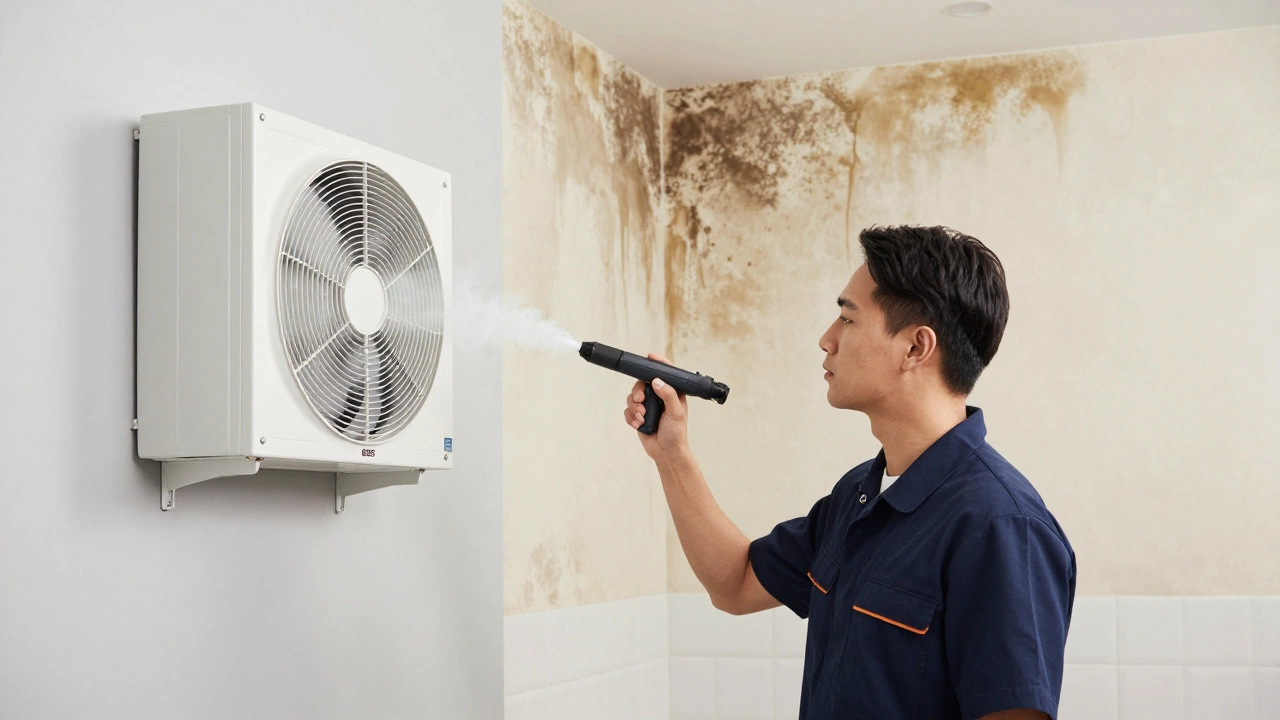
- You’re still getting condensation or mold after a repair
New models are quieter, smarter, and more efficient. Look for ENERGY STAR® certified fans. They use 60% less energy and run at 1.0 sones or less-about the sound of a whisper.
Some top-rated models for Toronto homes include the Broan 685 is a 70 CFM, 0.8 sone bathroom fan with built-in LED lighting and humidity sensor. Also known as Broan 685 Series, it is designed for small to medium bathrooms and is compliant with Ontario’s 2023 ventilation standards. and the Panasonic FV-08VQ5 is an 80 CFM, 0.9 sone fan with a built-in timer and moisture sensor, ideal for high-humidity environments. Also known as Panasonic WhisperGreen, it is widely recommended by Canadian home inspectors for its durability and quiet operation..
| Brand | CFM Rating | Noise Level (Sones) | Smart Features | Best For |
|---|---|---|---|---|
| Broan 685 | 70 | 0.8 | Humidity sensor, LED light | Small bathrooms |
| Panasonic FV-08VQ5 | 80 | 0.9 | Timer, moisture sensor | Medium bathrooms |
| vent-a-hood VAF-100 | 100 | 1.2 | Energy recovery, remote control | Large bathrooms |
| NuTone 8800N | 50 | 1.5 | None | Basic, budget use |
Frequently Asked Questions
Can I fix my bathroom extractor fan myself?
You can clean the blades and check the wiring if you’re comfortable with basic tools. But if the fan doesn’t spin, hums loudly, or leaks water, stop. Electrical and duct issues can be dangerous. Mold from poor ventilation can cause respiratory problems. It’s safer and cheaper in the long run to call a pro.
How long does a bathroom extractor fan last?
Most fans last 8 to 12 years. If yours is older than 10, even if it still works, it’s likely inefficient and noisier than modern models. Replacing it now can save energy and prevent mold damage.
Why does my bathroom still feel humid after installing a new fan?
The duct might be blocked, crushed, or vented into the attic instead of outside. A new fan won’t help if air can’t escape. Always have the duct inspected when replacing a fan. Many contractors skip this step to save time.
Do I need a fan with a humidity sensor?
Yes, especially in Toronto’s humid climate. A sensor turns the fan on automatically when moisture rises-no remembering to flip a switch. It runs only when needed, saving energy and reducing mold risk. Models like the Broan 685 and Panasonic FV-08VQ5 include this feature.
Is it illegal to vent a bathroom fan into the attic?
Yes. Ontario Building Code requires all bathroom exhaust fans to vent directly to the outside. Venting into the attic causes moisture buildup, which leads to wood rot, insulation damage, and mold. If your fan does this, it’s a code violation and a health hazard. A qualified technician will fix it immediately.
Next Steps
If your fan is dead, don’t wait. Mold grows in as little as 48 hours after moisture buildup. Start by checking if the unit is still under warranty. If it’s less than 5 years old, contact the manufacturer-they might cover labor.
If it’s older, call an HVAC specialist or a licensed electrician who mentions ductwork. Ask them to show you the duct path before they start. If they refuse, find someone else. A good technician will explain why your fan failed-not just replace it and leave.
And if you’re replacing it, go for a quiet, sensor-equipped model. It’s not just about comfort-it’s about protecting your home.