

Which Appliance Brand Has the Least Repairs? Reliability Data for Ovens and More
 May, 11 2026
Appliance Reliability & Repair Calculator
Step 1: Select Brand & Features
High Reliability
Heavy Duty
Balanced
Budget
Complex
Premium
Step 2: Usage & Maintenance
Analysis Result
Reliability Score
85/100
High Reliability
Repair Recommendation
Expected Lifespan
13-15 Years
Common Failure Point
Temperature Sensor
Risk Factors
- • None selected
You stand in the kitchen aisle, staring at rows of sleek stainless steel ovens. The salesperson talks about smart connectivity and steam functions, but you’re thinking about one thing: will this thing break in three years? It’s a fair question. Nobody wants to pay $150 for a service call just because a heating element decided to quit. If you are looking for the appliance brand with the least repairs, you aren’t just looking for marketing fluff. You are looking for data that shows which machines actually stay running.
The short answer is that reliability isn’t random. Certain brands consistently outperform others in independent studies. For electric ovens specifically, brands like Whirlpool and Maytag often top the charts for dependability. But why do some brands fail while others last decades? The secret lies in design simplicity, parts availability, and manufacturing quality control. Let’s look at what the numbers say so you can make a smart buy.
What Do Independent Studies Say About Appliance Reliability?
When we talk about "least repairs," we need to look at sources that track real-world performance, not customer satisfaction surveys. Customer satisfaction measures how happy you are with the brand’s image or warranty process. Reliability measures whether the machine works when you press the button. Two major organizations track this data annually: Consumer Reports and J.D. Power.
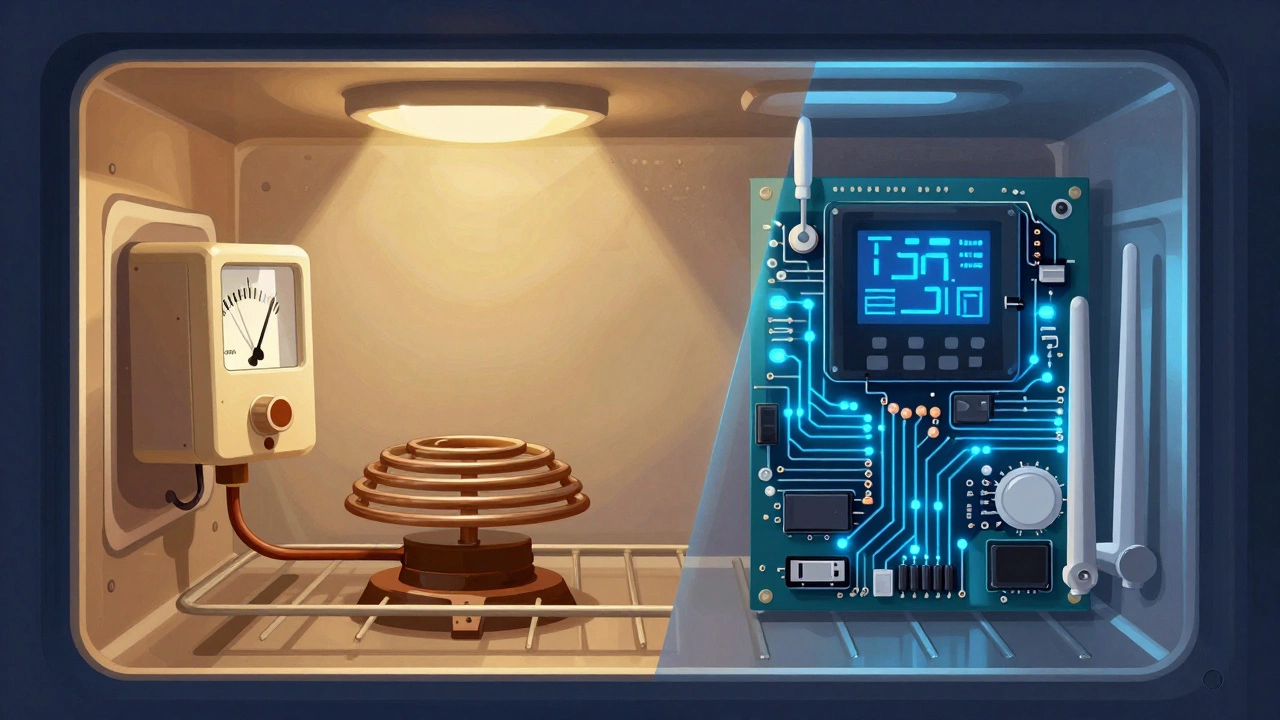
Consumer Reports surveys thousands of members every year. They ask specific questions about breakdowns over a two-year period. Their data consistently shows that mid-range brands often beat luxury brands in pure reliability. Why? Luxury brands add complex features-touchscreens, Wi-Fi modules, self-cleaning cycles with high heat-that create more points of failure. A simple mechanical thermostat has fewer things that can go wrong than a digital control board.
In recent years, GE Appliances has also shown strong reliability scores. While they may not always be #1, their consistency is notable. They rarely hit rock bottom. On the other end of the spectrum, brands known for flashy designs sometimes struggle with higher repair rates. This doesn’t mean those appliances are bad; it means they are complex. Complexity equals potential failure points.
Top Brands for Electric Oven Durability
If your main concern is electric oven repair avoidance, you should focus on brands that prioritize robust construction. Here are the top performers based on historical repair frequency and parts longevity.
- Whirlpool: Often cited as the most reliable major brand. Their ovens use standardized parts, meaning if something does break, it’s cheap and easy to fix. They avoid overly complex electronics in their core models.
- Maytag: Known for heavy-duty construction. Maytag ovens feel solid. The door hinges and racks are built to withstand daily abuse without warping. They have a reputation for lasting 15+ years with minimal intervention.
- GE Profile: GE’s premium line offers a good balance. They use higher-quality materials than budget brands but keep the internal mechanics relatively straightforward. This reduces the likelihood of electronic failures.
- Frigidaire: A solid budget option. While they don’t always win awards for innovation, their basic models are incredibly dependable. They strip away unnecessary frills, focusing on baking and roasting performance.
Notice a pattern? These brands share a common philosophy: form follows function. They don’t try to reinvent the wheel. An oven’s job is to heat food evenly. When brands stick to that mission, they tend to break less.
Why Some Brands Break More Often
It’s not just about who builds the best machine. It’s also about who builds the most fragile one. Several factors contribute to higher repair rates across certain brands.
First, consider electronic control boards. Modern ovens rely on these circuit boards to manage temperature, timers, and displays. These boards are sensitive to heat spikes and power surges. Brands that use proprietary, sealed boards make repairs difficult and expensive. If the board fails, you often have to replace the entire unit because the part costs nearly as much as a new oven.
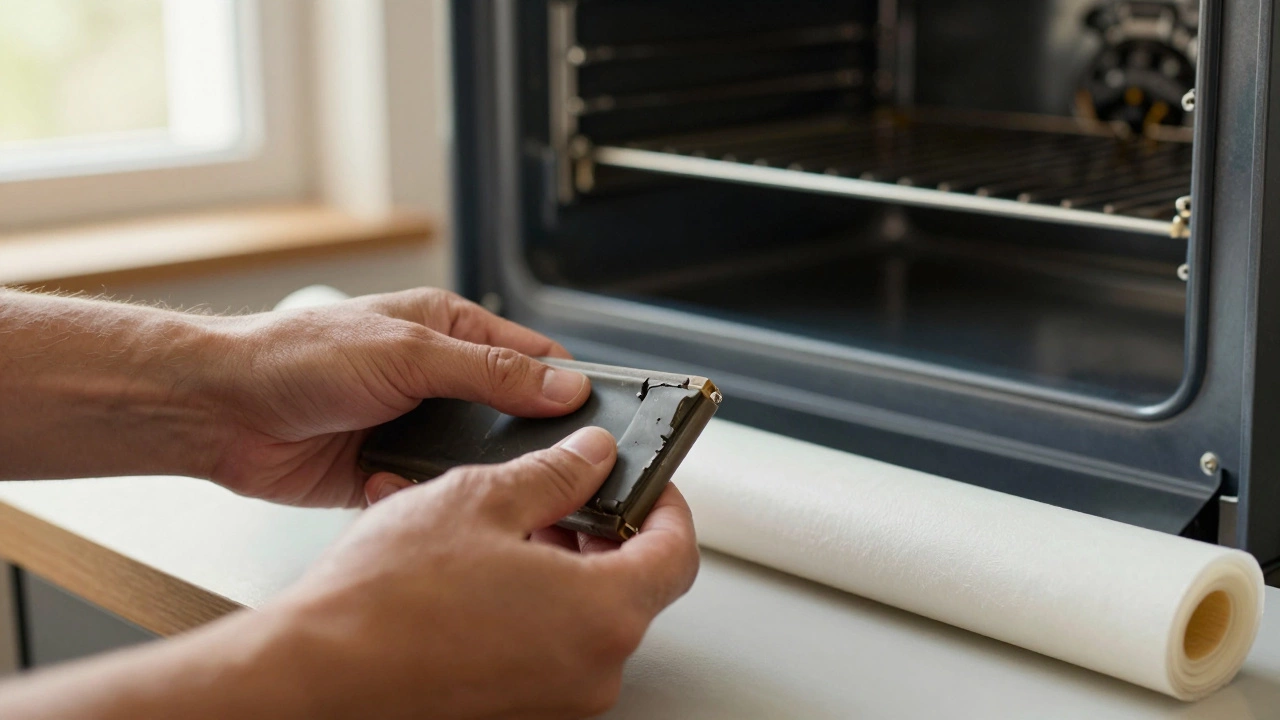
Second, look at door gaskets. This rubber seal keeps heat inside. Cheap silicone degrades quickly under high heat, leading to energy loss and uneven cooking. Premium brands use reinforced fiberglass or thicker silicone blends that resist cracking. A failing gasket is a common reason for early oven replacement, even if the heating elements are fine.
Third, there is the issue of parts availability. Some European brands, while beautifully designed, suffer from long lead times for replacement parts. If a sensor breaks and you wait six weeks for a part, the inconvenience feels like a major failure. American brands generally have better distribution networks, making minor fixes faster and cheaper.
| Brand | Avg Lifespan (Years) | Common Failure Point | Repair Cost Trend |
|---|---|---|---|
| Whirlpool | 13-15 | Temperature Sensor | Low |
| Maytag | 14-16 | Door Hinge Spring | Low |
| GE | 12-14 | Control Board | Moderate |
| Samsung | 8-10 | Electronic Display | High |
| Bosch | 11-13 | Convection Fan Motor | Moderate |
The Impact of Features on Longevity
Here is a hard truth: the more features an oven has, the more likely it is to need repair. This is true regardless of the brand. When shopping, you have to weigh convenience against durability.
Self-cleaning cycles run the oven at temperatures above 900°F. This extreme heat stresses the enamel coating, the door glass, and the internal wiring. Over time, this can cause the enamel to crack or the door to become misaligned. If you clean your oven manually with a scraper and paste, you might extend its life by several years.
Smart connectivity is another risk factor. Wi-Fi modules add complexity. They can glitch, lose connection, or require firmware updates that brick the system. While convenient for remote preheating, this feature is a frequent source of technical support calls. If you don’t need to control your oven from your phone, skip the smart model. Stick to a dial or a simple touchpad.
Convection fans are great for even cooking, but they are moving parts. Motors wear out. Bearings seize. A standard radiant oven has no fan, meaning fewer mechanical components to fail. For pure reliability, a non-convection model is safer, though convection is becoming the standard for good reason.
How Maintenance Affects Repair Frequency
Even the best brand will fail if you treat it poorly. Your habits play a huge role in whether you’ll need oven repair services. Simple maintenance can double the lifespan of any appliance.
Clean the oven floor regularly. Spilled sugars and oils carbonize into hard deposits. These deposits can insulate the heating elements, causing them to overheat and burn out prematurely. Wipe up spills immediately after the oven cools down.
Check the door seal once a year. Look for cracks or gaps. If hot air escapes, the oven works harder to maintain temperature, straining the heating elements and thermostat. Replacing a gasket costs less than $50 and prevents bigger issues.
Avoid slamming the door. The hinges are designed to hold weight, not impact force. Gentle closing preserves the alignment, ensuring the seal stays tight and the latch mechanism doesn’t break.
When to Repair vs. Replace
So, you bought a reliable brand, but it still broke. Now what? Knowing when to call a technician and when to buy a new oven saves you money and stress.
Use the "50% Rule." If the cost of the repair is more than half the price of a new, comparable oven, replace it. For example, if a new mid-range oven costs $800, and the repair quote is $450, walk away. You’re paying too much for a temporary fix.
Also, consider the age of the appliance. If your oven is over 10 years old, even cheap repairs might not be worth it. Technology improves. Newer ovens cook more evenly, use less energy, and come with fresh warranties. Older units lack modern safety features and efficiency standards.
However, if the issue is a simple part-like a broken rack, a faulty light bulb, or a worn gasket-repair it. These fixes are inexpensive and extend the life of a durable machine significantly.
Choosing the Right Service Provider
If you do need repair, the quality of the technician matters as much as the brand of the oven. In cities like Toronto, finding a certified appliance repair technician is crucial. Unlicensed handymen might swap parts incorrectly or miss underlying issues.
Look for technicians who specialize in your brand. A Whirlpool expert knows the common quirks of Whirlpool control boards. They carry the right diagnostic tools and genuine parts. Generic repair shops might use aftermarket substitutes that fail sooner.
Always ask for a warranty on the repair work. Reputable companies offer 90-day to one-year warranties on labor and parts. This protects you if the same issue returns shortly after the fix.
Which oven brand lasts the longest?
Based on long-term reliability data, Maytag and Whirlpool ovens tend to last the longest, often exceeding 15 years with proper care. Their simple mechanical designs and durable components reduce the likelihood of early failure compared to more complex digital models.
Is it worth repairing a 10-year-old oven?
It depends on the cost. If the repair is under 50% of the price of a new oven, it’s usually worth fixing. However, if the oven is 10+ years old and requires a major component replacement like a control board, buying a new, more efficient model is often the smarter financial choice.
Do smart ovens break more often?
Yes, smart ovens generally have higher repair rates due to their complex electronics, Wi-Fi modules, and touchscreens. These components are more susceptible to software glitches, power surges, and physical damage than traditional dials and mechanical switches.
What is the most common oven repair?
The most common repairs involve heating elements (both bake and broil), temperature sensors, and door gaskets. These parts wear out over time due to heat exposure and frequent use. Replacing them is typically straightforward and affordable.
Does self-cleaning damage the oven?
Frequent use of self-cleaning cycles can accelerate wear on the enamel coating, door glass, and internal wiring due to extreme temperatures. It is recommended to limit self-cleaning to once or twice a year and opt for manual cleaning for routine maintenance to preserve the oven's lifespan.