

Where Is a Water Heater Most Likely to Leak? Common Failure Points Explained
 Feb, 22 2026
If your water heater is leaking, you don’t need to panic-but you do need to act fast. Water damage can spread quickly, rotting floors, warping drywall, and even triggering mold. The good news? Most leaks come from just a few places. Knowing where to look can save you hundreds-or even thousands-in repair costs.
The Pressure Relief Valve Is the Top Culprit
Over 40% of water heater leaks start at the temperature and pressure relief valve (TPR valve). This safety feature opens automatically when pressure or heat gets too high. If it’s leaking steadily, it’s not broken-it’s doing its job. But why is it working so hard?
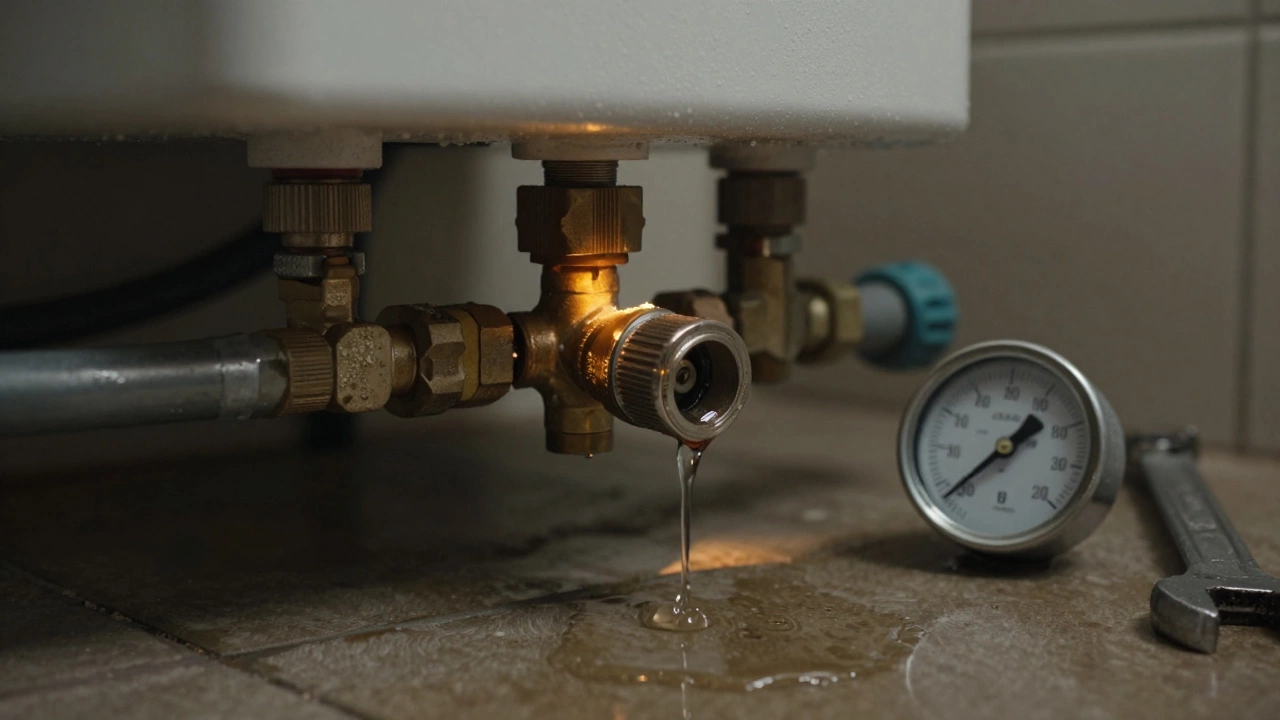
High water pressure is the usual cause. In many homes, water pressure hits 80 psi or higher. The recommended level is 60 psi. If you’ve never checked yours, grab a pressure gauge from any hardware store and screw it onto an outdoor spigot or laundry sink. If it reads over 60, you need a pressure-reducing valve installed. A constantly dripping TPR valve can also mean the valve itself is clogged with mineral buildup. Try lifting the lever briefly to flush out debris. If it still drips after that, replace it. They cost under $20 and take 20 minutes to swap.
The Drain Valve Is a Silent Leak Risk
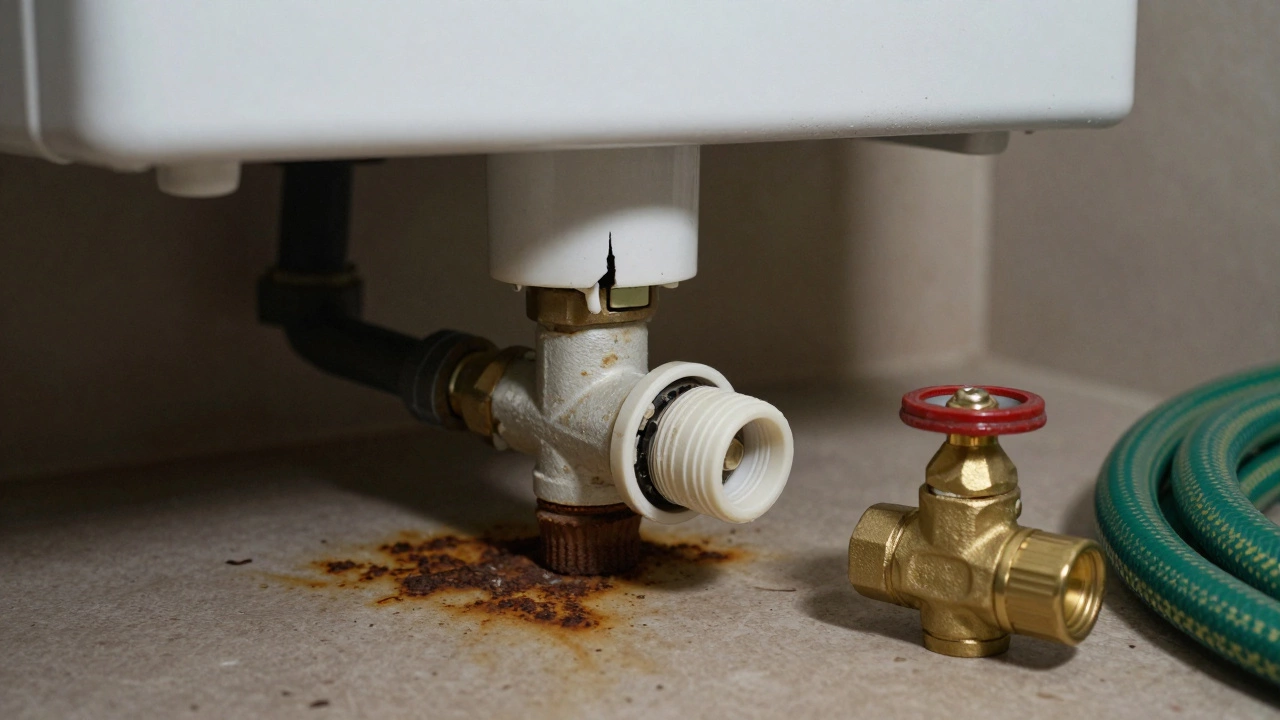
You probably haven’t touched the drain valve since you installed the heater. That’s a problem. These valves are made of cheap plastic or thin brass. Over time, sediment builds up around the threads. When you finally try to drain the tank for maintenance, the valve cracks or strips. Even if it doesn’t leak now, it’s a ticking time bomb.
Check it by turning the valve handle gently. If it feels stiff, gritty, or won’t turn fully, it’s failing. Don’t wait for it to burst. Replace it with a brass ball valve while the tank is still full. Just shut off the power and water, connect a hose to the valve, and let a few gallons drain out to reduce pressure. Then unscrew the old one and install the new one. This simple fix can prevent a flood during your next annual maintenance.
The Anode Rod Is Deteriorating
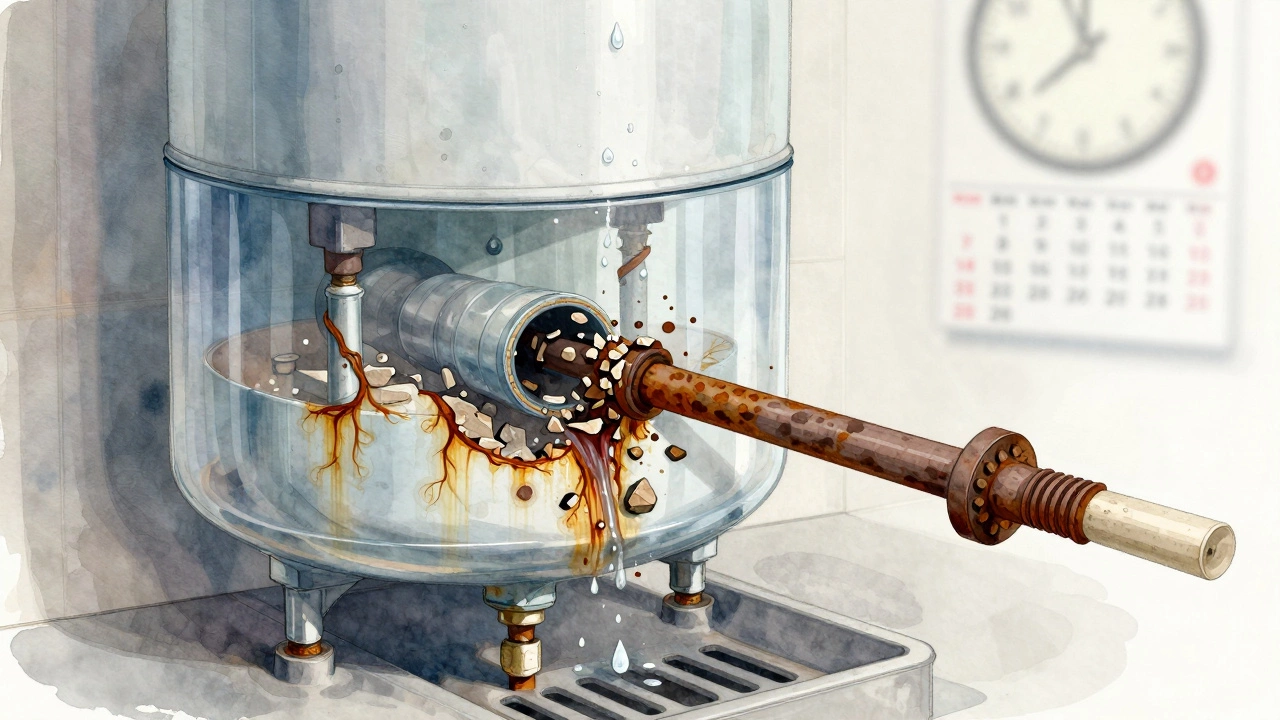
The anode rod is the unsung hero of your water heater. It’s a magnesium or aluminum stick that attracts corrosive elements in the water, sacrificing itself to protect the steel tank. When it’s gone, the tank starts rusting from the inside.
Most tanks last 8-12 years. But if your anode rod was never checked or replaced, your tank might be corroding now. Signs? Rust-colored water, metallic taste, or a sulfur smell (like rotten eggs). You can’t see the rod without pulling it out. Remove the hex head on top of the heater (you’ll need a 1-1/16" socket wrench). If it’s thin, brittle, or covered in hard mineral deposits, replace it. A new rod costs $30-$50 and can extend your tank’s life by 5 years.
Corrosion at the Tank Bottom Is the Worst Case
If water is pooling under the tank and you’ve ruled out the valve and rod, the tank itself is leaking. This isn’t a repairable issue. It’s a replacement.
Steel tanks rust from the inside out. Even if the leak is small now, it’s only getting worse. Water heater tanks are under constant pressure and heat. Once corrosion breaks through the metal, the tank can’t hold up. You might see rust stains, dampness, or flaking metal around the base. If you tap the tank with a hammer and hear a dull thud instead of a solid ring, it’s likely compromised.
Don’t try to patch it. Epoxy won’t work. Solder won’t stick. You need a new unit. Tankless models last longer and save energy, but if you’re on a budget, a standard 40-50 gallon electric or gas heater will do fine. Just make sure it’s installed on a drain pan with a pipe leading to a floor drain. That way, if it leaks again, you’ll know before it floods your basement.
Loose Fittings and Pipes Are Easy to Miss
Leaking supply lines are often mistaken for tank leaks. Check the hot and cold water connections where pipes meet the heater. Look for drips, mineral deposits, or wet insulation. These fittings can loosen over time due to thermal expansion-the metal expands when heated and contracts when cooled. That movement slowly wears down the seal.
Turn off the water, then tighten the unions with a wrench. Don’t over-tighten. You’ll crack the fittings. If you see water still seeping after tightening, replace the flexible supply lines. Braided stainless steel hoses last longer than rubber ones and are less prone to bursting. They cost $20-$30 and are easy to install.
Condensation Can Trick You
Not every wet spot is a leak. If your water heater is in a cold basement or garage, condensation can form on the tank. This is especially common in summer or when the heater runs frequently. The cold metal surface meets humid air, and water droplets form like on a glass of ice water.
How to tell the difference? Wipe the area dry with a towel. Wait 30 minutes. If it gets wet again, it’s a leak. If it stays dry, it’s condensation. You can reduce it by insulating the tank with a water heater blanket or improving ventilation. But if you’re seeing condensation year-round, your heater might be oversized or running too often-another sign it’s time for an upgrade.
What to Do When You Find the Leak
Once you spot the leak, shut off the water supply. For electric heaters, turn off the breaker. For gas heaters, turn the dial to "pilot" or "off." Then drain the tank if possible. Place buckets under the leak to catch drips. Don’t ignore it. Even a slow drip can cause major damage over weeks.
If it’s the TPR valve, drain valve, or supply lines-you can fix it yourself. If it’s the anode rod, you can do it with basic tools. But if the tank is rusting? Call a pro. Replacing a water heater isn’t just about the unit. It’s about permits, gas lines, electrical hookups, and drainage. A licensed plumber will handle it safely and get your hot water back fast.
How to Prevent Future Leaks
- Flush your tank every year to remove sediment.
- Test the TPR valve every 6 months by lifting the lever.
- Check water pressure annually-aim for 50-60 psi.
- Replace the anode rod every 3-5 years.
- Install a drain pan under the heater if it’s in a living space.
- Upgrade to a tankless heater if you’re replacing a unit older than 10 years.
Water heaters don’t fail suddenly. They fail slowly. The signs are there-if you know where to look. Catching a leak early can save you from a flooded basement, a costly replacement, and days without hot showers. Don’t wait for disaster. Check your heater now.
Can a water heater leak without you noticing?
Yes. Small leaks, especially from the drain valve or tank base, can drip slowly into insulation or under the unit. Over time, this causes wood rot, mold, or structural damage before you see a puddle. Check the area around your heater every few months-even if you haven’t seen water. Look for dampness, rust stains, or warped flooring.
Is it safe to use a water heater that’s leaking?
It depends. If the leak is from the TPR valve or a pipe, and you’ve shut off the water and power, it’s safe to use temporarily while you fix it. But if the tank itself is leaking, don’t use it. Water mixing with electrical components or gas lines can cause shocks or explosions. Turn off the power and gas immediately, and call a professional.
How often should I replace my water heater?
Most tank water heaters last 8-12 years. Tankless models can last 20+ years. But age isn’t the only factor. If you notice rust, strange smells, inconsistent hot water, or frequent leaks, it’s time to replace it-even if it’s under 8 years old. Regular maintenance can extend its life, but once the tank corrodes, replacement is the only safe option.
Can hard water cause water heater leaks?
Yes. Hard water leaves mineral deposits inside the tank and on the heating elements. This buildup forces the heater to work harder, increasing pressure and wear. It also coats the anode rod, making it ineffective. Over time, this speeds up corrosion and can lead to leaks. Installing a water softener can extend your heater’s life by 5-10 years.
Should I install a drain pan under my water heater?
Absolutely-if it’s in a basement, closet, or upstairs room. A drain pan catches small leaks before they damage floors or ceilings. It should connect to a pipe that drains to a floor drain or sump pump. Many building codes now require them for water heaters installed above ground level. It’s a $50 investment that can prevent thousands in water damage.