

What's Included in a Boiler Service? Full Breakdown for Toronto Homeowners
 Jan, 18 2026
Boiler Service Cost Calculator
Service Cost Estimator
Calculate your boiler service costs in Toronto based on service type and repairs needed.
When your boiler starts making strange noises or loses heat faster than usual, it’s easy to panic. But before you call for a full repair, consider this: most boiler problems start with something simple-like dust, rust, or a small leak-that could’ve been caught during a routine service. A boiler service isn’t just a checkup. It’s a safety and efficiency lifeline, especially in Toronto winters where a broken boiler can turn a home into an icebox in hours.
What Exactly Happens During a Boiler Service?
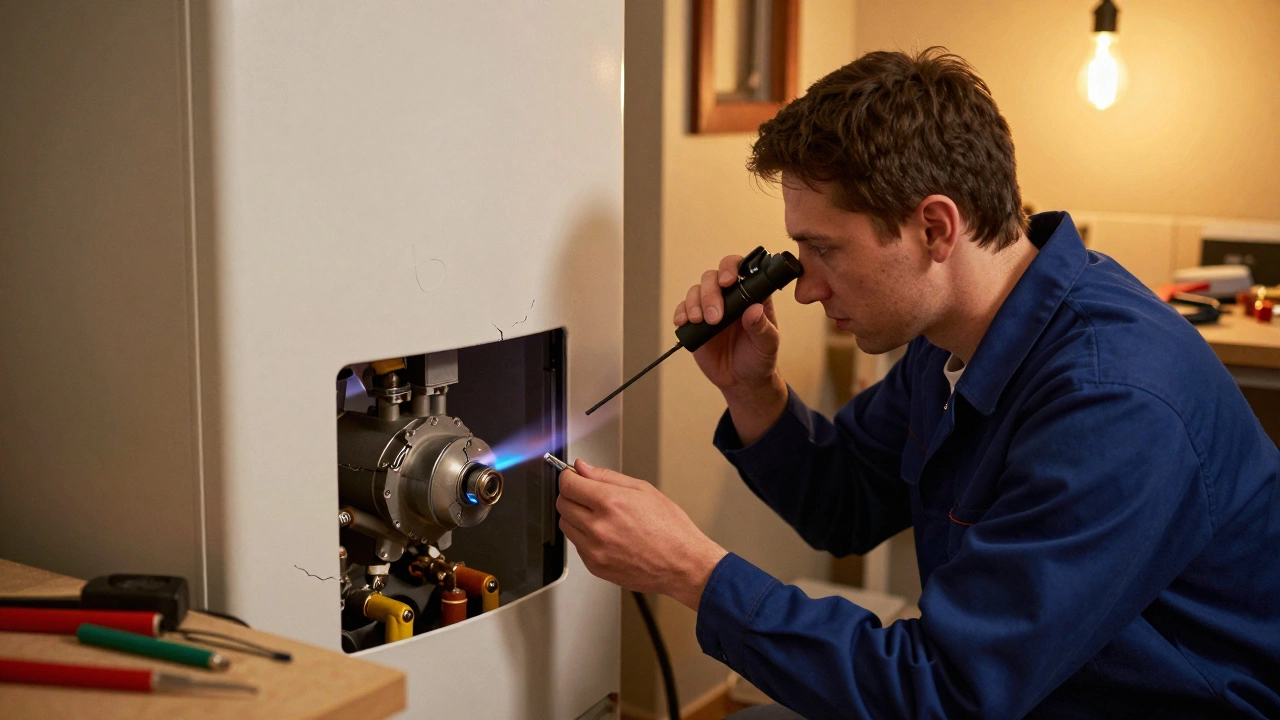
A professional boiler service takes about 60 to 90 minutes and follows a strict checklist based on manufacturer guidelines and Canadian safety standards. It’s not a quick glance under the hood. A certified technician will go through every major component, test for gas leaks, clean internal parts, and verify that everything is working as it should.
First, they’ll shut off the power and gas supply. Then they’ll remove the outer casing to access the burner, heat exchanger, and flue. These parts collect soot, moisture, and debris over time. Left unchecked, they reduce efficiency and can cause dangerous carbon monoxide buildup.
The technician will inspect the burner for proper flame color-blue is good, yellow or orange means incomplete combustion. They’ll clean the burner jets with a specialized brush and check the ignition system. If your boiler uses a spark ignition or pilot light, they’ll test its response time and reliability.
Key Components Checked During a Boiler Service
- Heat exchanger: Cracks here are serious. Even a hairline fracture can let exhaust gases mix with your home’s air. Technicians use pressure tests and visual inspections with borescopes to spot damage.
- Pressure gauge and filling loop: Most boilers run best between 1.0 and 1.5 bar. If pressure is too low, the boiler won’t heat properly. Too high, and you risk pipe bursts. The filling loop is checked for leaks and proper function.
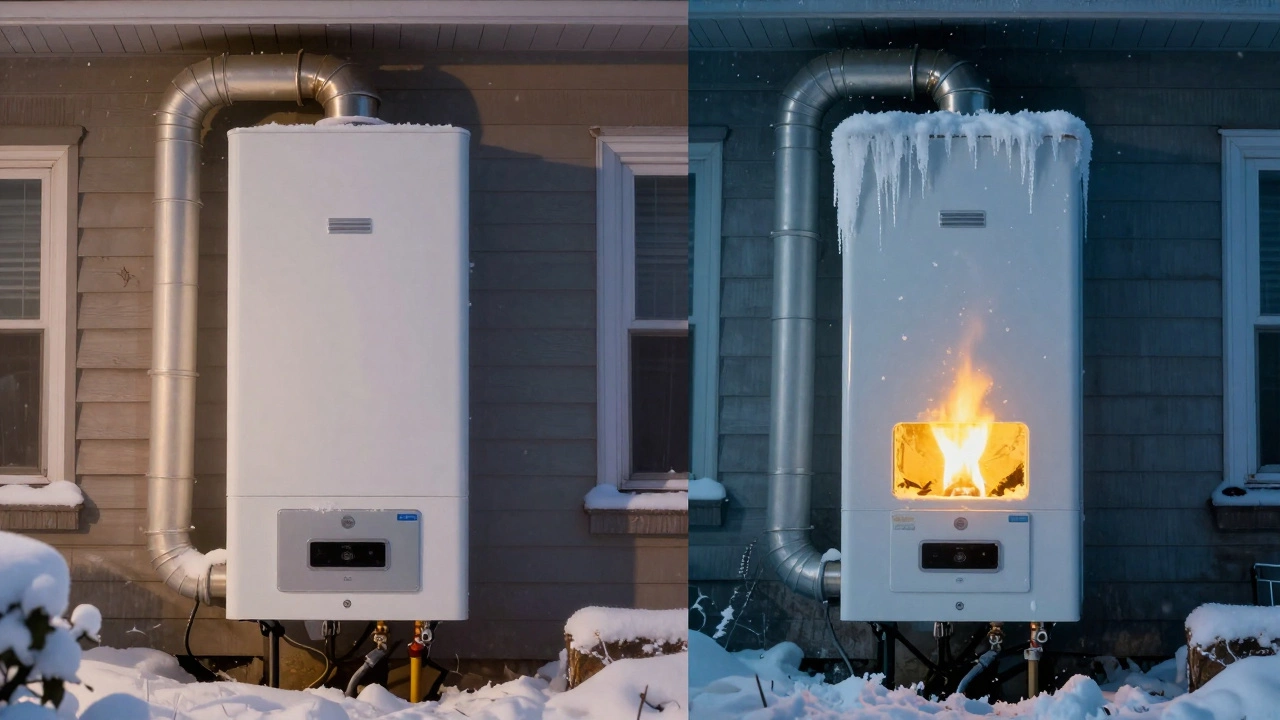
- Flue and ventilation: The flue carries toxic gases outside. If it’s blocked by bird nests, ice, or debris, those gases can back up into your home. Technicians inspect the flue’s integrity and airflow.
- Condensate pipe: Common in modern condensing boilers, this pipe drains acidic water. In Toronto winters, it can freeze and cause the boiler to shut down. Technicians check for blockages and insulation.
- Pump and circulation system: The pump moves hot water through your radiators. If it’s clogged with sludge or making grinding noises, efficiency drops. They’ll test flow rate and clean the system if needed.
- Thermostat and controls: Outdated or faulty controls can make your boiler run longer than needed. Technicians verify that the thermostat responds correctly and that timers and smart controls sync properly.
Why Regular Boiler Service Matters in Toronto
Canada’s heating season lasts six to seven months. Your boiler runs nearly every day during that time. That’s over 2,000 hours of operation annually. Without regular maintenance, efficiency drops by 15% to 25% within two years. That means higher gas bills-and more strain on the system.
In Toronto, where temperatures regularly drop below -20°C, a boiler failure isn’t just inconvenient-it’s dangerous. Older boilers, especially those over 10 years old, are more prone to sudden breakdowns. A service every 12 months catches issues before they turn into emergencies.
Also, many boiler warranties require annual servicing. If you skip it and your boiler breaks down next winter, the manufacturer might deny your claim. That could cost you $2,000 to $5,000 for a replacement.
What’s Not Included in a Standard Boiler Service
A boiler service is preventive, not corrective. It doesn’t fix broken parts. If your boiler is leaking water from the pump, or the control board is dead, those are repairs-and they cost extra.
Here’s what you should expect to pay for separately:
- Replacing a faulty circulation pump ($400-$800)
- Fixing a cracked heat exchanger ($1,200-$2,500)
- Upgrading to a smart thermostat ($250-$600)
- Flushing the entire heating system to remove sludge ($500-$900)
Some companies offer service plans that bundle annual servicing with priority repair discounts. That’s worth considering if your boiler is over 8 years old.
Signs You Need a Boiler Service Sooner
You don’t have to wait for your annual reminder. Watch for these red flags:
- Strange noises: Banging, gurgling, or whistling sounds often mean air in the system or limescale buildup.
- Water leaks: Even a small drip near the boiler base can signal a failing seal or corroded pipe.
- Yellow or flickering flame: A healthy gas flame is blue. Yellow means incomplete burning-and possible carbon monoxide risk.
- Higher energy bills: If your gas usage spiked without changing habits, your boiler is working harder than it should.
- Boiler shuts off unexpectedly: Frequent resets mean a sensor or control issue. It’s not just annoying-it’s a warning.
If you notice any of these, book a service right away. Don’t wait for the scheduled date.
How to Choose a Boiler Service Provider in Toronto
Not all technicians are created equal. Look for these credentials:
- Gas Safe Registered (or equivalent Canadian certification like TSSA in Ontario)
- At least 5 years of experience with your boiler brand (Bosch, Vaillant, Worcester, etc.)
- Clear pricing upfront-no hidden fees
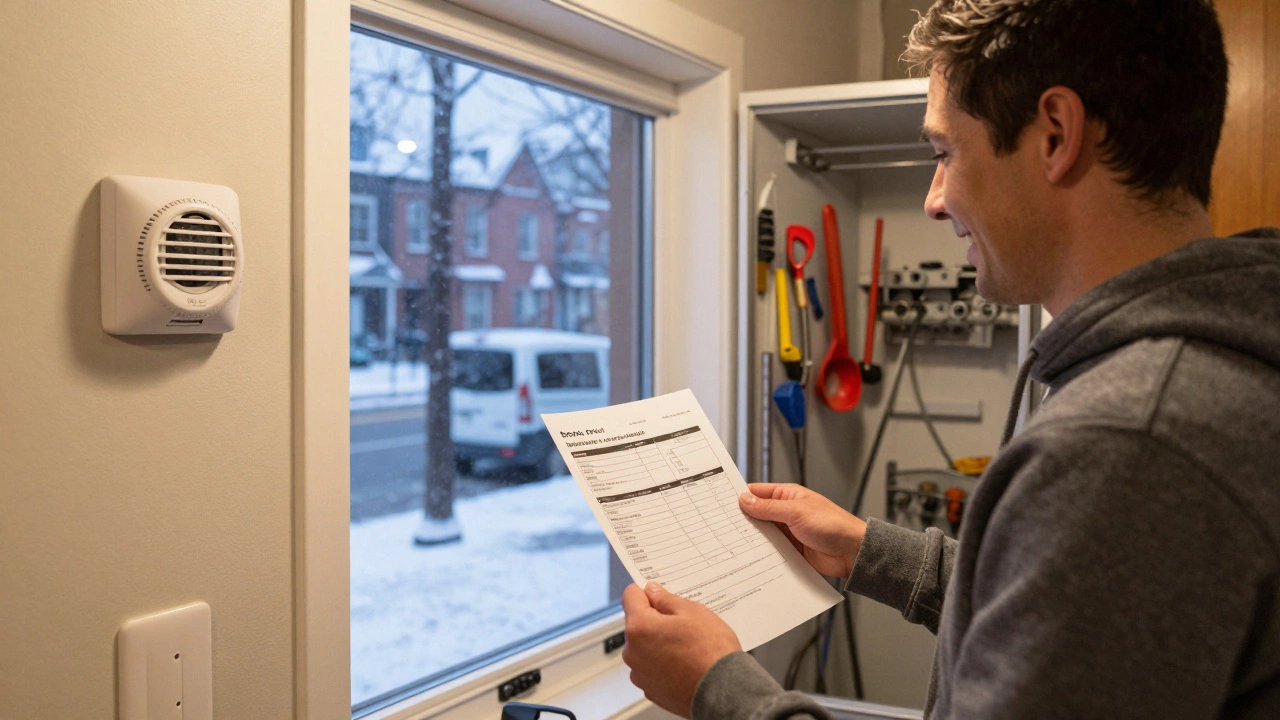
- Written service report after the visit
A good technician will show you the dirt they removed, explain what they found, and show you the manufacturer’s checklist they followed. If they just nod, say it’s fine, and leave-walk away.
What to Do After Your Boiler Service
After the service, you’ll get a report. Keep it. It’s your proof of maintenance and may be needed for insurance or resale.
Set a calendar reminder for next year’s service. Don’t rely on the company to remind you-they’re busy. Also, test your carbon monoxide alarm monthly. If you don’t have one, install one now. It’s the cheapest safety upgrade you’ll ever make.
And if your boiler is over 15 years old? Start thinking about replacement. Modern condensing boilers are 90%+ efficient. Older models might only hit 70%. The savings on gas bills alone can pay for a new unit in 5-7 years.
How often should a boiler be serviced?
A boiler should be serviced once a year. This is the standard recommendation from manufacturers and safety agencies like TSSA in Ontario. Skipping a year increases the risk of breakdowns, reduces efficiency, and can void your warranty. Annual servicing is especially critical in cold climates like Toronto, where boilers work nonstop during winter.
Can I service my own boiler?
No. In Canada, only licensed gas technicians are legally allowed to service gas appliances like boilers. Even if you’re handy, tampering with gas lines, burners, or pressure systems is dangerous and illegal. You could risk carbon monoxide poisoning, gas leaks, or fire. Plus, DIY servicing voids your warranty and insurance coverage. Always hire a certified professional.
How much does a boiler service cost in Toronto?
A standard boiler service in Toronto typically costs between $120 and $200, depending on the boiler type and service provider. Premium brands like Vaillant or Worcester may cost slightly more due to specialized parts and diagnostics. Be wary of services under $100-they may skip key steps. Some companies offer service plans for $15-$25 per month, which include annual service, priority response, and discounts on repairs.
What’s the difference between a boiler service and a boiler repair?
A boiler service is preventive-it’s done regularly to keep the system running safely and efficiently. A repair is corrective-it fixes something that’s already broken. For example, a service includes cleaning the heat exchanger; a repair replaces it if it’s cracked. You need both: service to prevent problems, and repair when something fails.
Does a boiler service include flushing the system?
No, a standard boiler service does not include a full system flush. Flushing removes sludge and rust buildup from radiators and pipes, which improves circulation and efficiency. It’s a separate, more expensive service ($500-$900) and usually only needed every 5-7 years, or if you notice cold spots on radiators or noisy pipes. Your technician will recommend it if they find heavy sludge during inspection.
What happens if I don’t service my boiler?
If you skip boiler service, you risk three things: higher energy bills (up to 25% more), unexpected breakdowns (especially in winter), and safety hazards like carbon monoxide leaks. Many insurance policies won’t cover boiler damage if you haven’t kept up with annual servicing. In worst cases, a neglected boiler can fail catastrophically-leading to water damage, gas leaks, or even explosions.
Final Thoughts
A boiler service is the single best thing you can do to protect your home, your wallet, and your family’s safety. It’s not a luxury. It’s basic maintenance-like changing your car’s oil. In Toronto, where winter hits hard and gas prices stay high, skipping it is a gamble you can’t afford to lose.
Book your service early. Don’t wait until the first cold snap. The best technicians get booked solid in October and November. Schedule yours in late summer or early fall. You’ll get better availability, lower stress, and a warmer home when you need it most.