

What Is the Life Expectancy of a Freezer? How Long Should You Expect Yours to Last
 Dec, 1 2025
Freezer Lifespan Estimator
Estimate your freezer's remaining useful life based on key factors from the article.
Estimated Lifespan
Key maintenance tips: Clean condenser coils every 6 months, check door seal with dollar bill test, keep freezer at least 3/4 full, set temperature to 0°F (-18°C).
Most people don’t think about their freezer until it stops working. Then suddenly, a month’s worth of frozen meals, meat, and ice cream are at risk. If you’ve ever stared at a humming freezer wondering when it’s going to give out, you’re not alone. The truth is, freezers don’t last forever - but they also don’t die overnight. Knowing how long your freezer is expected to last helps you plan ahead, avoid food waste, and make smarter decisions about repair vs. replacement.
How Long Do Freezers Typically Last?
On average, a standard upright or chest freezer will last between 10 and 15 years. That’s the sweet spot most manufacturers and repair technicians agree on. But this isn’t a hard deadline. Some units run smoothly for 20 years or more, especially if they’re well-maintained. Others fail after just 6 or 7 years - usually because of poor ventilation, frequent power surges, or heavy use.
There’s a big difference between a freezer that’s still running and one that’s working efficiently. A 12-year-old freezer might still freeze food, but if it’s running constantly, icing up inside, or costing you twice as much in electricity as it did when new, it’s probably past its prime.
What Affects a Freezer’s Lifespan?
Not all freezers are built the same. Several factors determine whether yours will hit 15 years or crash at year 8.
- Type of freezer: Chest freezers tend to last longer than upright models. Why? They lose less cold air when opened, put less strain on the compressor, and have fewer mechanical parts that can break. Many chest freezers run 15-20 years easily.
- Brand and build quality: Brands like Whirlpool, GE, and Frigidaire have proven track records for durability. Cheaper, no-name models often skimp on insulation, compressor quality, or door seals - all of which shorten lifespan.
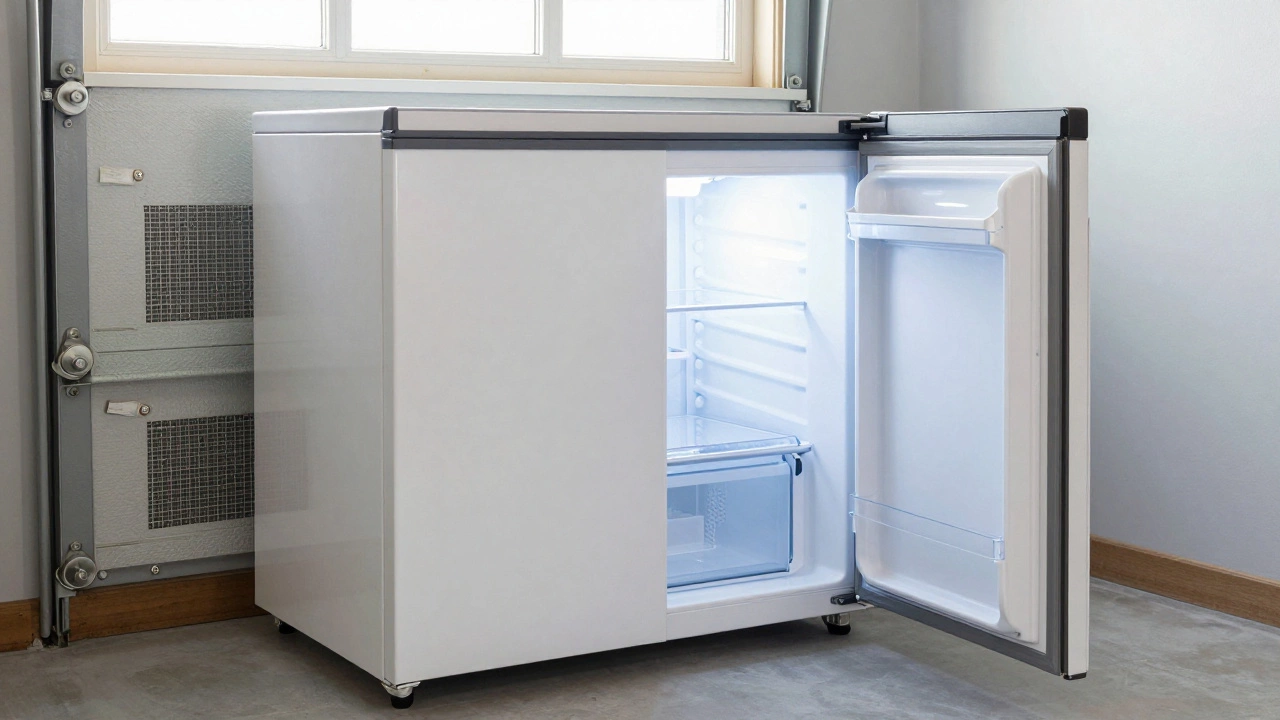
- Placement: If your freezer is tucked into a hot garage, squeezed behind the fridge, or crammed into a cramped closet, it’s working harder than it should. Freezers need at least 3 inches of clearance on all sides for proper airflow. Overheating is one of the top reasons compressors fail early.
- Usage: Opening the door 10 times a day? Letting warm food sit inside before freezing? Constantly overloading it? These habits make the compressor cycle more often, wearing it out faster.
- Power quality: Voltage spikes from storms or old wiring can fry control boards or compressors. If you live in an area with unstable power, a surge protector designed for appliances is a cheap insurance policy.
Signs Your Freezer Is Approaching End of Life
You don’t need a technician to tell you your freezer is dying. The clues are usually obvious if you know what to look for.
- Food isn’t staying frozen: Ice crystals forming on food, meat thawing slightly, or ice cream turning soft are red flags. If the temperature inside regularly rises above 0°F (-18°C), the cooling system is failing.
- Loud or strange noises: A freezer should hum quietly. If you hear grinding, clicking, or buzzing that didn’t exist before, it could mean the compressor is struggling or the fan motor is failing.
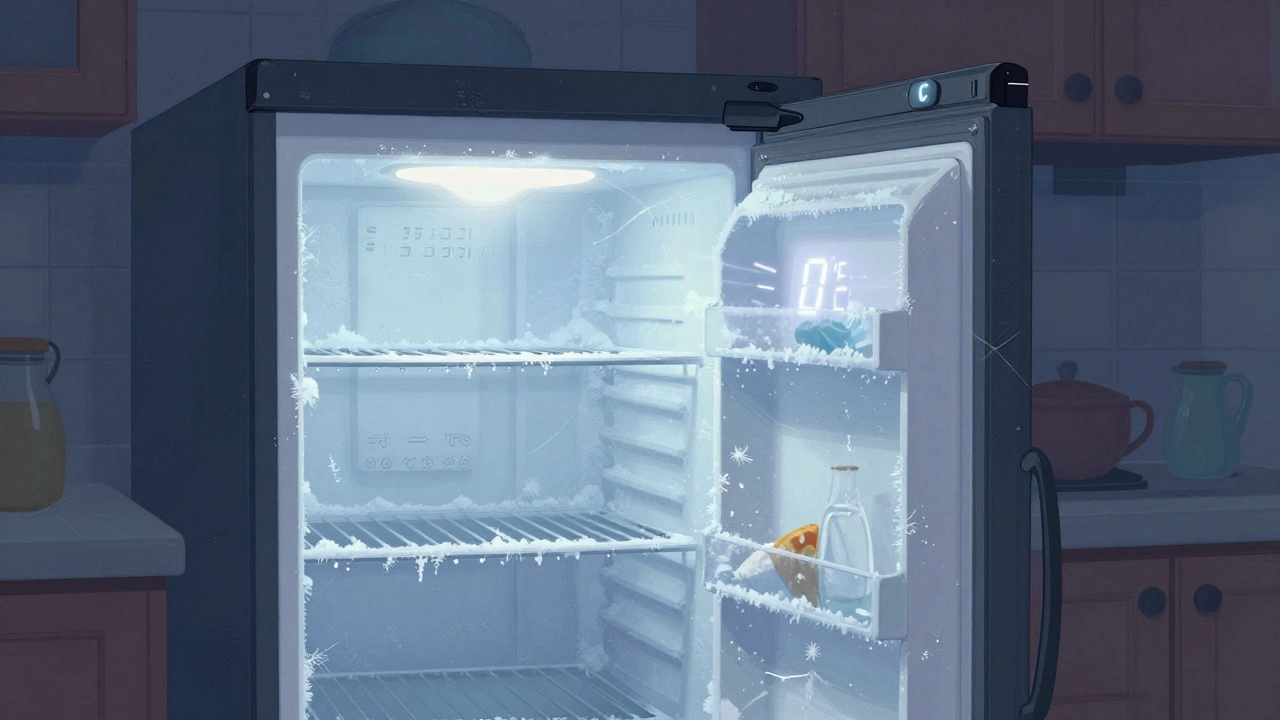
- Excessive frost buildup: A little frost is normal. Thick ice on the walls or shelves? That usually means the door seal is leaking cold air - or the defrost timer is broken.
- High electricity bills: If your energy bill jumped 20-30% over the past year and you haven’t changed usage, your freezer might be running inefficiently. Older units can use up to 50% more power than new Energy Star models.
- Repeated repairs: If you’ve had to fix the same problem twice in the last year - whether it’s the thermostat, condenser coils, or a leaky seal - you’re probably throwing money into a sinking ship.
Repair vs. Replace: When to Cut Your Losses
Here’s the hard truth: if your freezer is over 10 years old and needs a major repair, replacement is usually the smarter move.
Let’s say the compressor fails. Replacing it costs $400-$600, plus labor. That’s nearly half the price of a brand-new freezer. Even if you fix it, you’re still stuck with a 12-year-old unit that’s inefficient, loud, and likely to break again soon.
Here’s a simple rule: if the repair cost is more than 50% of the price of a new unit, walk away. And if your freezer is older than 10 years, that threshold drops to 30%.
There’s one exception: high-end chest freezers. A $1,200 model from a reputable brand might be worth repairing even at 15 years old - especially if it’s still energy efficient and holds a lot of food. But for a basic $500 upright freezer? Don’t bother.
How to Make Your Freezer Last Longer
Even if you’re not ready to replace it, you can squeeze out a few more years with simple maintenance.
- Clean the condenser coils: Dust builds up on the coils at the back or bottom of the freezer. Unplug it, vacuum them every 6 months. Dirty coils make the compressor work harder.
- Check the door seal: Run a dollar bill between the seal and the frame. If it pulls out easily, the seal is worn. Replace it - they cost under $30 and are easy to install.
- Keep it full: A full freezer holds temperature better than an empty one. If you don’t have enough food, fill empty spaces with water jugs. They act like thermal mass, stabilizing the temperature.
- Avoid overloading: Don’t cram food in so tightly that air can’t circulate. Cold air needs space to move.
- Set the right temperature: 0°F (-18°C) is ideal. Going colder wastes energy. Going warmer risks spoilage.
- Defrost manually if needed: If frost builds up more than ¼ inch thick, turn it off, unplug it, and let it melt. Don’t chip at it with metal tools.
What to Look for in a New Freezer
If you’re replacing your freezer, here’s what actually matters:
- Energy Star certification: New Energy Star models use 10-20% less power than non-certified ones. That saves you $30-$60 a year on electricity.
- Size and type: Chest freezers are more efficient and hold more food per cubic foot. Uprights are easier to organize but lose more cold air when opened. Pick based on your space and usage.
- Temperature alarm: A simple beeper that sounds if the door’s left open or the temperature rises is worth its weight in frozen burgers.
- Warranty: Look for at least a 1-year full warranty and a 5-year sealed system warranty (covers compressor and refrigerant). Longer is better.
Don’t get tricked by fancy features like ice makers or digital displays. They add cost and complexity - and more things that can break. Stick to simple, reliable models.
What Happens When a Freezer Dies?
When your freezer finally stops working, you’re not just losing a machine - you’re losing food. That’s why planning ahead matters.
If you know your freezer is nearing the end, start using up frozen items. Make big meals, freeze leftovers in smaller portions, or give food away to friends and family. If it dies suddenly, don’t panic. Keep the door closed. A full freezer can stay cold for 24-48 hours without power. If you’re unsure whether food is still safe, use the touch test: if it still has ice crystals or feels firm like a rock, it’s likely safe to refreeze or cook.
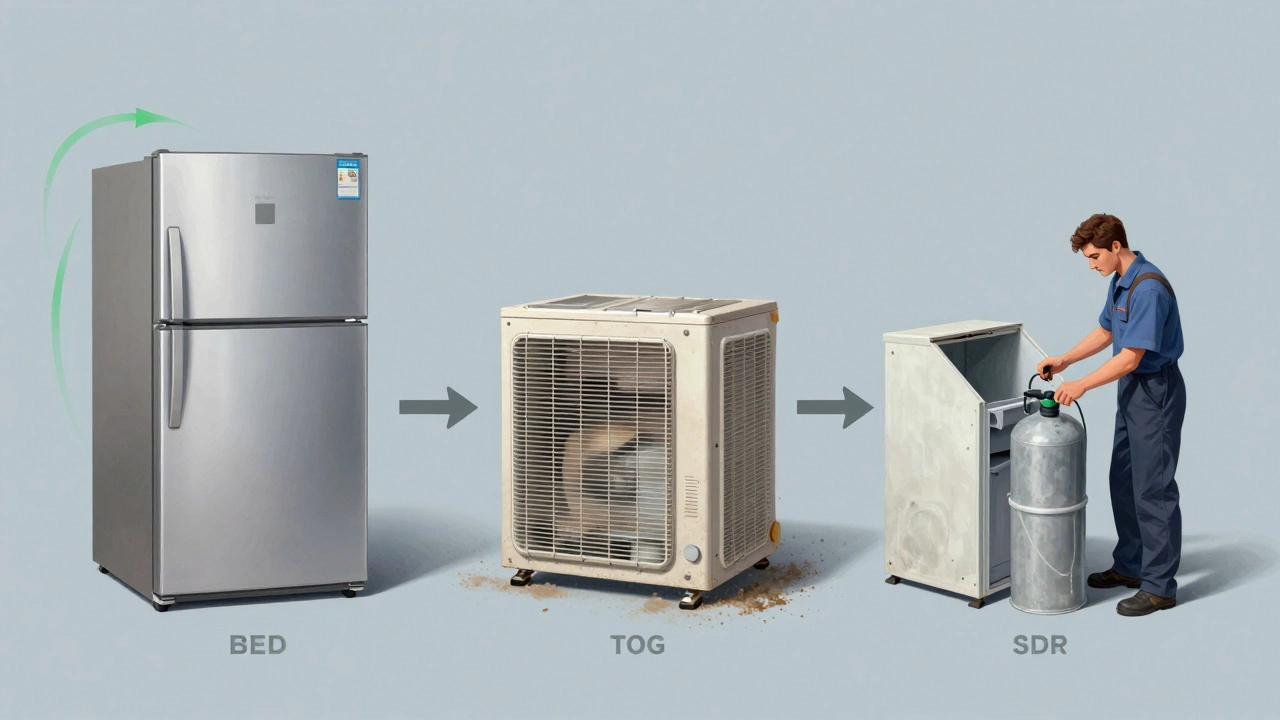
And when you’re ready to replace it, recycle your old unit. Most appliance retailers offer free pickup and recycling. Freezers contain refrigerants that must be handled properly - don’t just leave it on the curb.
Final Thoughts
Your freezer is one of the most reliable appliances in your home - but it’s not invincible. Most last 10-15 years, but only if you treat them right. Pay attention to the signs of wear. Don’t ignore strange noises or rising bills. And when the time comes, don’t waste money on repairs that won’t last.
Think of your freezer like a car: regular maintenance keeps it running longer. When it’s time to replace it, choose efficiency over features. And remember - a new freezer isn’t just an expense. It’s an investment in less food waste, lower bills, and peace of mind.
How long should a freezer last before needing replacement?
Most freezers last between 10 and 15 years. Chest freezers often last longer - up to 20 years - because they’re simpler and lose less cold air. Upright models tend to wear out faster due to more moving parts and frequent door openings. If your freezer is over 10 years old and needs a major repair, replacement is usually more cost-effective.
Can a freezer be repaired after 10 years?
Yes, but it’s often not worth it. Repairs like replacing the compressor or control board can cost $400-$600, which is half or more the price of a new unit. If your freezer is over 10 years old, even a successful repair won’t restore its efficiency. You’ll still pay higher electricity bills and risk another breakdown soon after.
Is it cheaper to repair or replace a freezer?
It’s usually cheaper to replace a freezer that’s 10+ years old. The rule of thumb: if the repair costs more than 50% of a new unit’s price, walk away. For older freezers, that threshold drops to 30%. New Energy Star models use 10-20% less power, so you’ll save money on electricity over time - making replacement the smarter long-term choice.
What causes freezers to fail early?
Poor ventilation, dirty condenser coils, worn door seals, power surges, and frequent door openings are the top causes. Placing a freezer in a hot garage or cramming it into a tight space makes the compressor work harder, leading to early failure. Lack of maintenance - like not cleaning coils or ignoring frost buildup - also shortens lifespan significantly.
How can I extend the life of my freezer?
Clean the condenser coils every 6 months, check and replace the door seal if it’s leaky, keep the freezer at least 3/4 full (use water jugs if needed), avoid overloading, and set the temperature to 0°F (-18°C). Don’t let frost build up beyond ¼ inch - defrost manually if needed. These steps can add 3-5 years to your freezer’s life.