

When to Replace Stove: Signs It's Time to Upgrade Your Cooktop
When your stove, a key appliance used for cooking food in homes, typically powered by electricity or gas. Also known as a cooker, it stops heating evenly, sparks when you turn it on, or takes forever to boil water, it’s not just being slow—it’s sending you a warning. Most stoves last between 10 and 15 years, but age isn’t the only factor. If your energy bills are creeping up, or you’re constantly calling a technician for the same issue, you’re already spending more on repairs than you would on a new one.
A broken heating element, the part inside an electric oven that generates heat when electricity passes through it is common, but if replacing it three times in two years hasn’t fixed the problem, the whole system is likely failing. The same goes for a thermostat, the control that regulates oven temperature that won’t hold a steady setting. You might think a $150 fix is cheap, but if your oven takes 45 minutes to preheat when it used to take 10, you’re wasting electricity—and patience. And if you see rust inside the oven cavity, cracks in the glass, or the control panel flickers randomly, those aren’t just cosmetic issues. They’re signs of deeper electrical or structural wear that could become a safety hazard.
Replacing a stove isn’t just about convenience—it’s about efficiency, safety, and even your health. Older models don’t just use more power; they often heat unevenly, which can lead to undercooked food or burnt meals. If you’ve noticed your food cooking differently than it used to, or if the oven door doesn’t seal properly, heat is escaping. That’s not just inefficient—it’s costing you money every month. And if your stove is over 12 years old, even if it still works, it’s likely missing out on modern safety features like automatic shutoffs, child locks, and better insulation.
There’s no magic number that says "replace at 12 years," but if you’re weighing a repair that costs more than half the price of a new unit, the math is simple: walk away. A new stove might seem like a big upfront cost, but it’ll pay for itself in lower bills and fewer headaches. Plus, modern stoves are quieter, smarter, and easier to clean. You’ll notice the difference the first time you bake cookies and they come out perfectly even—no more cold spots or burnt edges.
Below, you’ll find real-world stories from people who faced the same decision: repair or replace. Some held on too long and ended up with a flooded kitchen. Others saved hundreds by switching early. Whether your stove is acting up or just feeling old, these guides will help you spot the red flags, understand the costs, and make the right call—without guesswork.
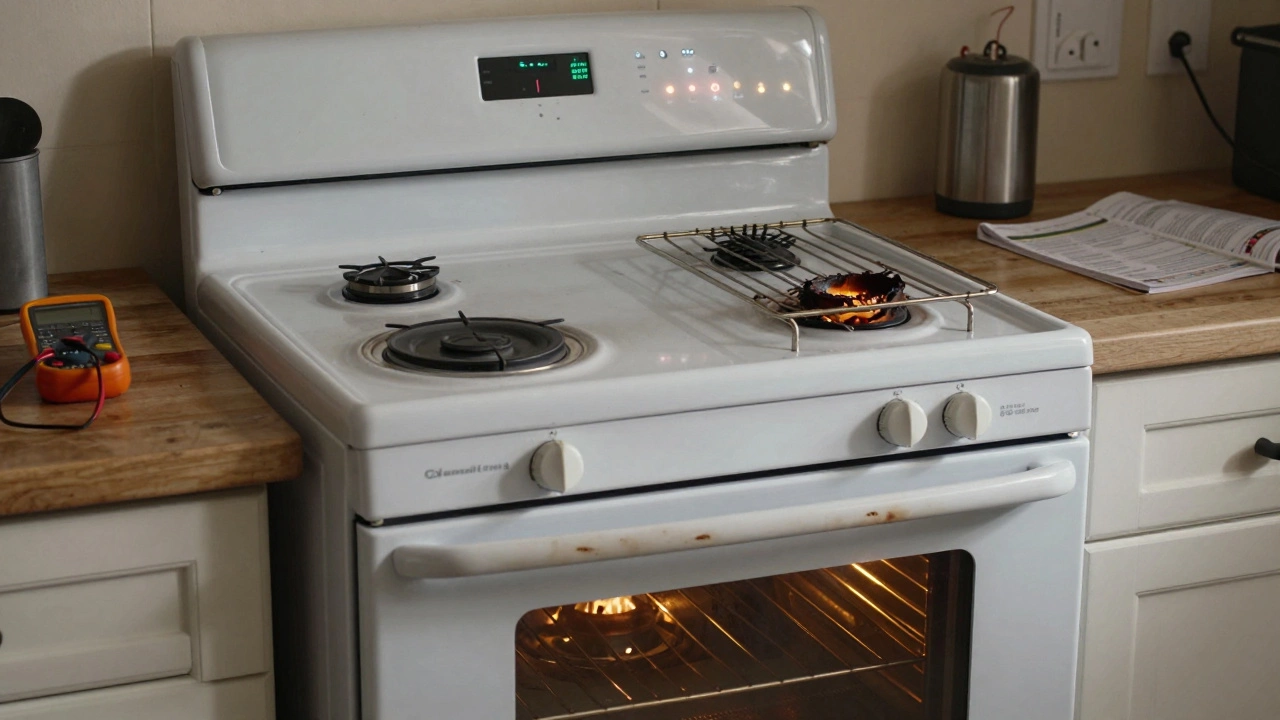
Is It Worth Repairing a 10-Year-Old Stove? Here’s What Actually Matters
Is repairing a 10-year-old stove worth it? Learn the real costs, energy savings, and when to replace instead. Get practical advice for Toronto homeowners.