

Water Heater Anode Rod: What It Does, When It Fails, and How to Save Your Tank
When your water heater starts leaking or smells like rotten eggs, most people blame the tank—but the real culprit is often something small you can’t even see: the water heater anode rod, a sacrificial metal rod inside the tank that attracts corrosion to protect the steel lining. Also known as a sacrificial anode, it’s the reason your water heater lasts 10 years instead of 3. Without it, the tank rusts from the inside out, and no amount of flushing or thermostat fixes will stop it.
The anode rod, a long metal rod made of magnesium, aluminum, or zinc that’s screwed into the top of your water heater works by corroding faster than the steel tank. It’s designed to die so your tank doesn’t have to. But most homeowners never check it. By the time they notice rusty water or strange smells, the rod is gone—and the tank is already eating itself. Replacing it every 3 to 5 years can double your heater’s life. It’s not expensive. It’s not hard. But you have to do it.
Not all anode rods are the same. magnesium rods, the most common type, offer strong protection but can cause sulfur smells in some water. aluminum rods, a cheaper alternative, work better in hard water but protect less aggressively. If you’ve got smelly water, switching to a zinc-aluminum rod might fix it without replacing the whole heater. And if your water is super hard, a powered anode rod—electrically charged to stop corrosion—might be worth the upgrade.
Check your rod if you’ve got rusty water, odd smells, or a heater older than five years. You’ll need a socket wrench and 15 minutes. Pull it out. If it’s thin, crumbly, or less than half an inch thick, replace it now. Don’t wait for a leak. A single gallon of rusted water can ruin your laundry, your tub, and your peace of mind.
And here’s the thing: if your anode rod is gone, your water heater isn’t just old—it’s doomed. No amount of fixing the thermostat, heating element, or pressure valve will save it. The tank is already corroding. That’s why so many "water heater repair" calls turn into "water heater replacement" jobs. It’s not the element that failed. It’s the rod you ignored.
Below, you’ll find real fixes, real stories, and real advice from people who’ve been there—whether it’s spotting the first signs of corrosion, choosing the right rod for your water type, or deciding if it’s cheaper to replace the rod or the whole tank. No fluff. Just what you need to keep your hot water running without a surprise flood.
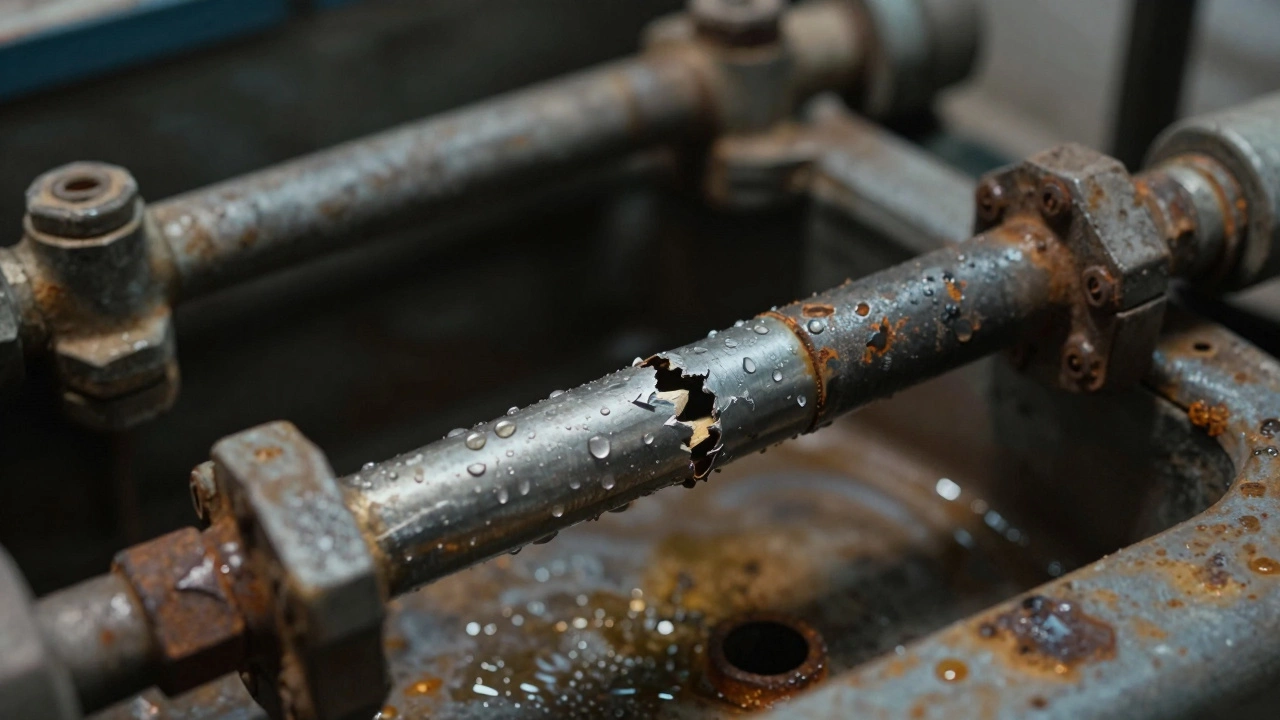
How Often Should You Replace the Anode Rod in a Water Heater?
Check and replace your water heater's anode rod every 3-5 years to prevent tank corrosion and extend its life. Hard water, high temperatures, and neglect shorten rod life. Inspect it yourself or hire a pro-before your heater leaks.