

Stove Repair vs Replace: When to Fix It and When to Buy New
When your stove, a key appliance used daily for cooking, often electric or gas-powered, and commonly part of a kitchen range. Also known as a cooktop or range, it’s one of the most used appliances in your home. But when it starts acting up—sparking, not heating evenly, or refusing to turn on—you face a simple but costly question: repair or replace? There’s no one-size-fits-all answer, but the right choice saves you money, time, and frustration.
Most electric ovens, a common type of cooking appliance that uses heating elements to generate heat, often with a control board and thermostat last between 10 and 15 years. If yours is under 7 years old and the issue is something like a broken heating element or a faulty thermostat, repair is usually the smarter move. Replacing just the element costs under $100 in parts and maybe $150 total with labor. But if your oven’s control board is fried, or the whole unit is struggling to hold temperature, you’re looking at $300–$500 in repairs. At that point, you’re spending nearly half the price of a new stove just to keep an aging machine running.
Then there’s energy. Older stoves use more power. A 15-year-old model might cost $150 a year to run. A new Energy Star-rated one? Around $75. That’s $75 a year in savings—money you could put toward a replacement in just two years. And let’s not forget safety. Cracked glass, frayed wires, or sparking controls aren’t just annoying—they’re fire risks. If your stove is showing signs of wear beyond simple fixes, replacement isn’t just practical—it’s safer.
Gas stoves have their own quirks. A faulty igniter? Easy fix. A cracked burner head or gas leak? That’s not a DIY job. You’ll need a licensed technician, and if the unit is older than 10 years, parts may be hard to find. In those cases, replacing the whole unit often makes more sense than chasing down discontinued components.
And here’s the thing most people miss: warranties. Most new stoves come with at least a one-year full warranty. Repairs? You get 90 days—sometimes less. If you’re already spending a few hundred on a repair, why not invest that same amount into a new appliance with better coverage and modern features like self-cleaning, precise temperature control, or smart connectivity?
We’ve seen customers spend $400 to fix a 12-year-old oven, only to have the control board fail again six months later. That’s $400 down the drain, plus another repair bill. Meanwhile, someone who replaced theirs upfront saved on repeated service calls and cut their energy bill in half.
So how do you know which path to take? Look at the age, the cost of the repair, how often it’s broken before, and how much you’re paying in electricity or gas. If the repair hits 50% of the cost of a new unit, or if your stove is over 10 years old, replacement usually wins. But if it’s a simple part, under warranty, or still efficient, fixing it makes perfect sense.
Below, you’ll find real guides from homeowners and technicians who’ve been there—how to test your oven element, when to call an electrician, what signs mean your stove is nearing the end, and how to compare repair quotes without getting ripped off. These aren’t theory pieces. They’re the exact checklists and cost breakdowns people in Bridgewater used to make their final call.
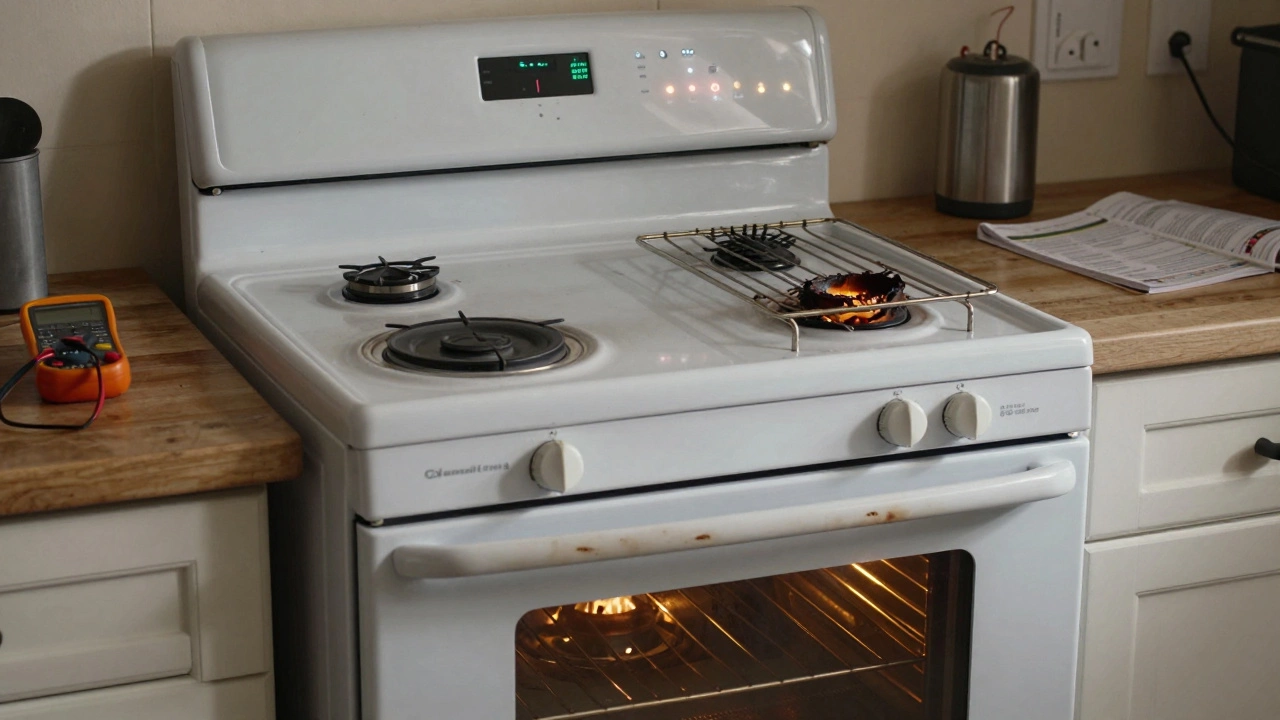
Is It Worth Repairing a 10-Year-Old Stove? Here’s What Actually Matters
Is repairing a 10-year-old stove worth it? Learn the real costs, energy savings, and when to replace instead. Get practical advice for Toronto homeowners.