

Sediment Buildup in Water Heaters: Causes, Fixes, and When to Act
When sediment buildup, a layer of minerals and debris that settles at the bottom of water heaters over time. Also known as mineral scale, it slowly steals efficiency from your tank until your hot water runs out faster—or not at all. This isn’t just a minor annoyance. It’s one of the top reasons water heaters fail years before they should.
Sediment forms when hard water—water packed with calcium, magnesium, and other minerals—gets heated. Those minerals drop out of solution and sink to the bottom. Over time, they build up like sand in a jar. A few inches of this gunk can make your heater work twice as hard, spike your energy bills, and cause the bottom element to overheat and burn out. It also traps water, leading to rust and leaks. You’ll hear popping or rumbling noises—that’s the sediment boiling under water. It’s not magic. It’s physics. And it’s fixable.
Related issues like a worn-out anode rod, a sacrificial metal rod that protects the tank from corrosion or a failing water heater element, the part that heats the water inside the tank often show up because sediment was ignored. The rod corrodes faster when sediment traps moisture against it. The element overheats because sediment insulates it from the water it’s meant to heat. These aren’t separate problems—they’re symptoms of the same root cause.
Most people don’t check their water heater until it stops working. But if you’re in an area with hard water, sediment builds up fast—sometimes in just two years. Flushing your tank once a year takes an hour and costs nothing. You can do it yourself with a garden hose and a bucket. No plumber needed. If you’ve never flushed yours, or if your water looks rusty or smells funny, you’re probably already dealing with a heavy layer. Don’t wait for a leak. A quick flush now can add five years to your heater’s life.
What you’ll find below are real, tested fixes for sediment-related issues—from how to spot early signs to when it’s too late to save the tank. We’ve pulled from posts that show exactly what happens when sediment builds up, how it connects to other failures like no hot water or strange noises, and how to stop it before it kills your appliance.
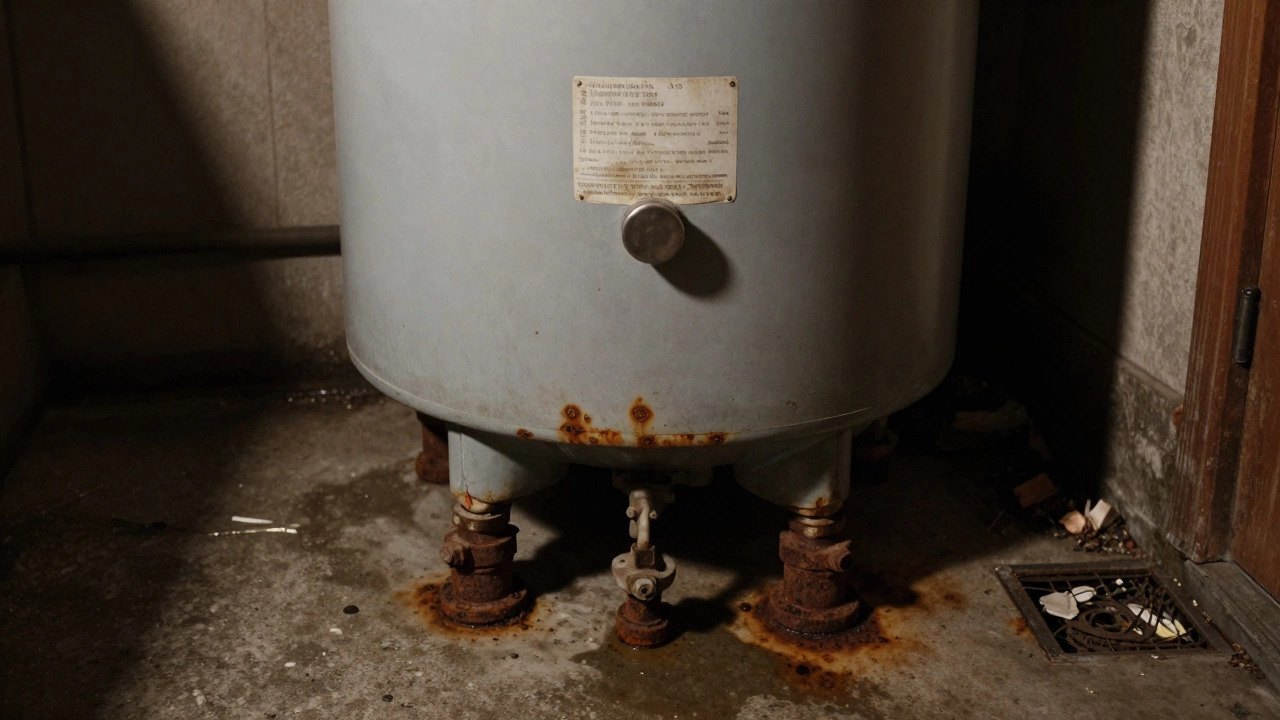
What Usually Fails on a Water Heater? Common Problems and How to Spot Them
Water heaters commonly fail due to leaks, sediment buildup, faulty elements, or age. Learn the top 5 issues, how to spot them early, and when to replace your unit before it floods your home.