

Replace Anode Rod: When and Why It’s Needed for Your Water Heater
When you think about your water heater, you probably don’t picture a metal rod inside the tank—but that anode rod, a sacrificial metal rod designed to protect the tank from corrosion. Also known as a sacrificial anode, it’s the quiet hero that keeps your water heater from rusting out from the inside. Without it, the tank’s steel lining would eat itself away from mineral-rich water, leading to leaks, rusty water, and a premature replacement. Most people don’t know it exists until their heater starts leaking—and by then, it’s often too late.
The anode rod works by attracting corrosive elements in the water to itself instead of the tank. It’s made of magnesium, aluminum, or zinc, and over time, it slowly dissolves. Once it’s gone, the tank takes the hit. Most manufacturers recommend checking it every 2–4 years, depending on your water quality. Hard water? You might need to replace it sooner. If you’ve noticed rusty water, a rotten egg smell, or your heater is over 6 years old, the anode rod is likely worn out. This isn’t a luxury fix—it’s the single most cost-effective maintenance task you can do to extend your heater’s life by 5–10 years.
And it’s not just about the rod itself. The problems you see—like no hot water, strange noises, or a tank that won’t stop leaking—are often symptoms of a failed anode rod. That’s why posts about water heater failure, sediment buildup, and water heater lifespan keep coming back to this one part. Fixing a leaky tank costs hundreds. Replacing a rod costs under $50 and takes an hour. It’s the difference between calling a pro and doing it yourself.
If you’ve ever wondered why your water heater died before its time, or why some units last 15 years while others fail in 7, the answer usually starts with this rod. The posts below cover everything from how to spot a failing rod, to what happens when you ignore it, to how it connects to other common issues like faulty thermostats or mineral deposits. You’ll find real, step-by-step advice from people who’ve been there—not theory, not marketing. Just what works.
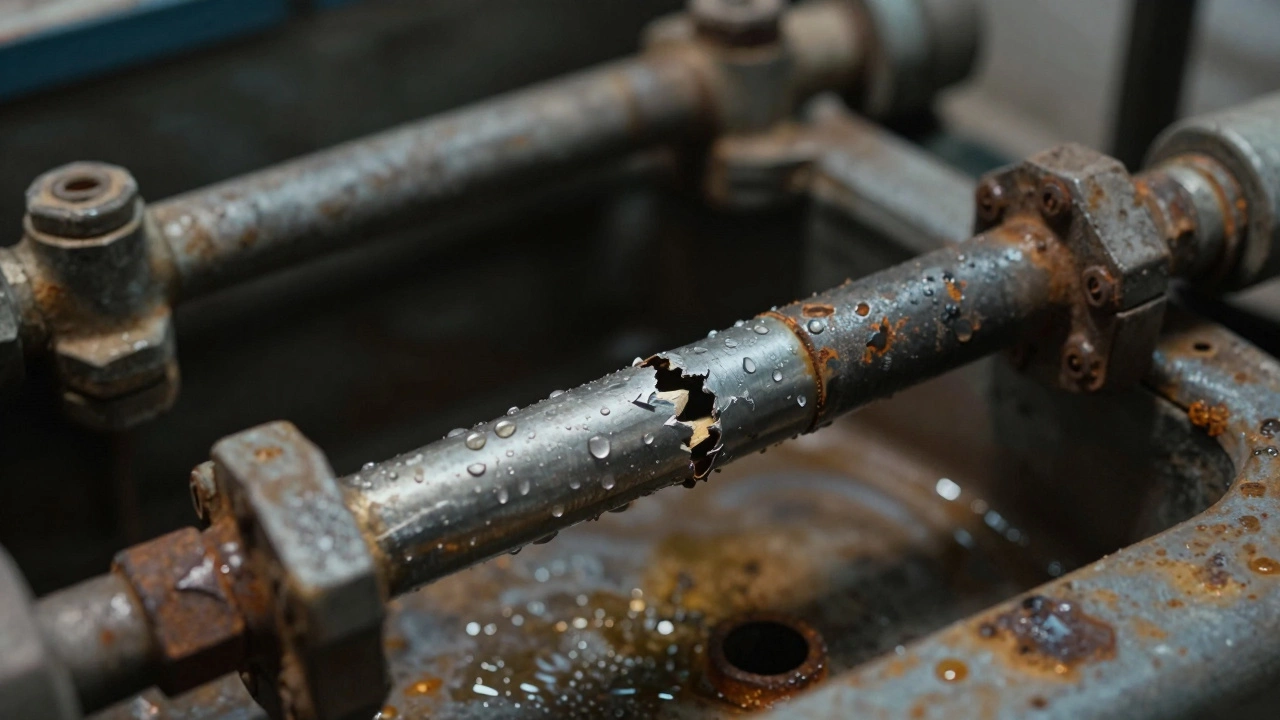
How Often Should You Replace the Anode Rod in a Water Heater?
Check and replace your water heater's anode rod every 3-5 years to prevent tank corrosion and extend its life. Hard water, high temperatures, and neglect shorten rod life. Inspect it yourself or hire a pro-before your heater leaks.