

Oven Heating Issues: Common Causes and How to Fix Them
When your oven heating issues, problems that prevent an oven from reaching or maintaining the right temperature. Also known as oven not heating, it usually means one or more key parts have failed—often without warning. You turn the dial, the light comes on, but the oven stays cold. Or worse, it heats unevenly—burning one side of your roast while the other stays raw. This isn’t just frustrating; it’s a daily disruption to meals, schedules, and your peace of mind.
Most oven heating issues come down to three things: the oven element, the metal coil inside the oven that generates heat when electricity passes through it. Also known as heating element, it’s the most common point of failure., the oven thermostat, a sensor that tells the oven when to turn the heat on or off to maintain the set temperature. Also known as temperature control, it’s easy to overlook until your baking goes wrong., or the control board, the electronic brain that sends signals to the element and thermostat. Also known as oven control panel, it’s less common to fail, but when it does, it mimics other problems.. You don’t need a degree to check these. Unplug the oven, pop off the back panel, and look for visible cracks or burn marks on the element. Test the thermostat with a multimeter—you can find simple guides online. Most people fix these themselves and save hundreds.
Age plays a role too. If your oven is over 10 years old, parts wear out faster. A 15-year-old oven with a broken element might be cheaper to replace than repair—especially if your energy bills are creeping up. But if it’s only 5 or 6 years old and the rest of the oven works fine, replacing a $50 element makes way more sense than buying a new oven. The same goes for the thermostat. A faulty one can make your oven run too hot or too cold, ruining food and wasting electricity. And if you’re seeing error codes like F1 or E3, that’s usually the control board talking. Don’t panic—just rule out the simpler fixes first.
What you’ll find below are real, tested fixes from people who’ve been there. No fluff. No jargon. Just clear steps on how to tell if your element is dead, how to test your thermostat without special tools, and when it’s time to walk away from repairs. Whether you’re trying to save money, avoid a last-minute dinner disaster, or just want to understand what’s going on inside your oven, these posts give you the facts you need—no technician required.
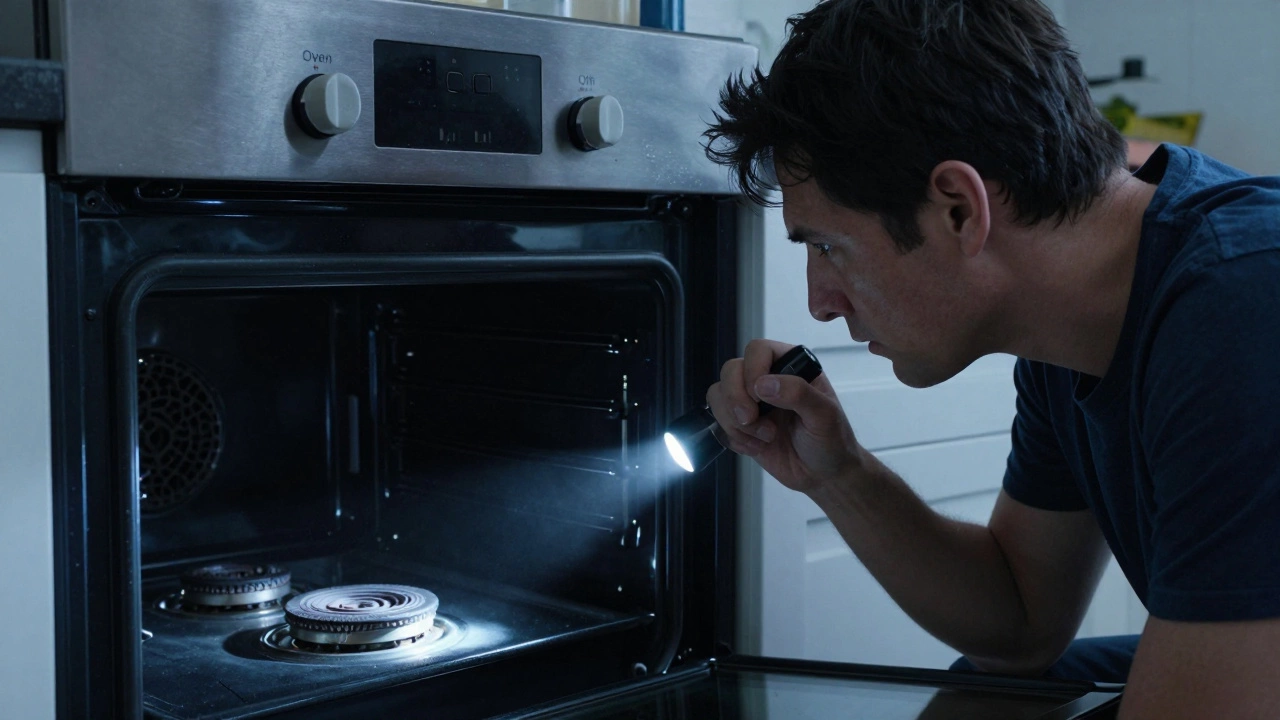
How to Identify an Electric Oven Problem: Common Signs and Quick Checks
Learn how to identify common electric oven problems like heating failures, error codes, and broken elements. Simple DIY checks can save you hundreds on repairs.