

Oven Element Repair: Fix Your Electric Oven Without Replacing It
When your oven element, the heating coil inside an electric oven that generates heat for baking and broiling. Also known as baking element, it's the part that actually makes your oven hot. stops working, your oven might as well be a fancy cabinet. It’s not the control board, not the thermostat, and usually not the wiring—it’s the element itself. This simple part wears out over time, cracks from thermal stress, or gets damaged by spills and cleaning chemicals. And guess what? You don’t need to replace the whole oven just because this one piece gives out.
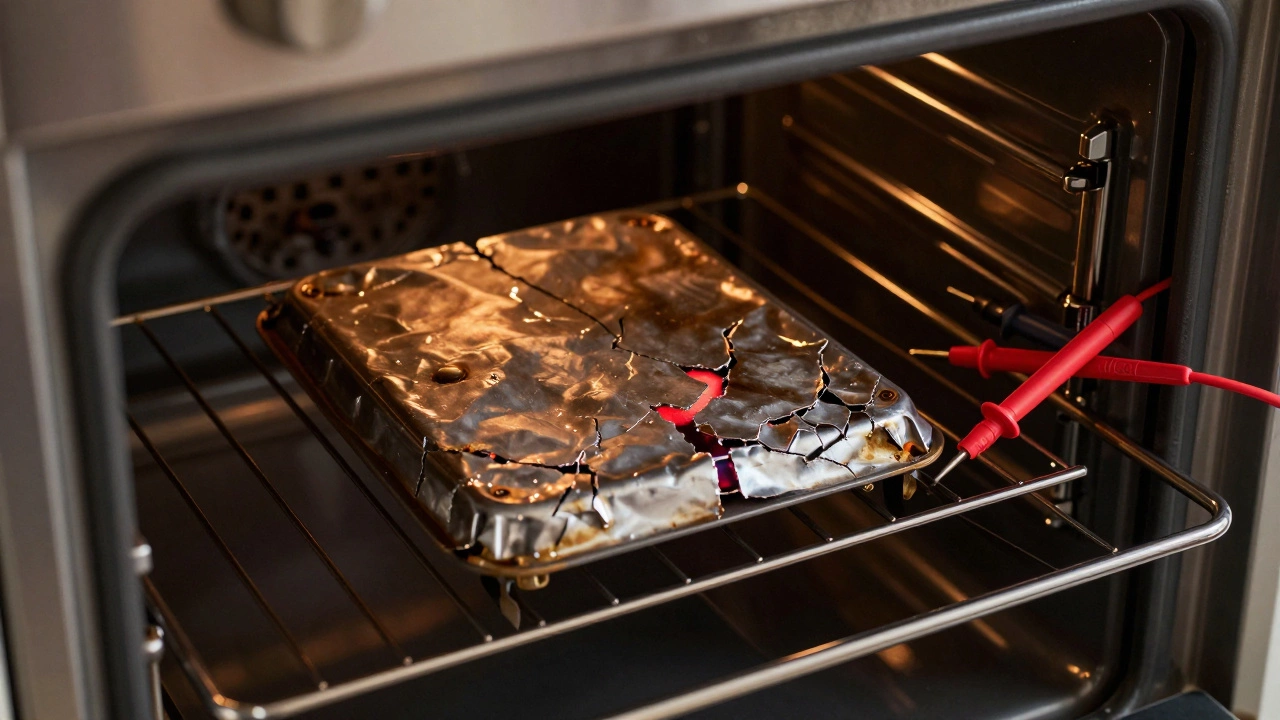
Most electric ovens have two elements: one on the bottom for baking and one on the top for broiling. If your oven won’t heat at all, the bottom element is usually the problem. If it bakes unevenly or takes forever to preheat, that’s another sign. You might see visible gaps, blistering, or dark spots on the coil. Sometimes it glows red when it’s working—but if it stays dark while the oven is on, that’s your cue to check it. The element connects to your oven’s power supply through terminals, and over time, those connections corrode or loosen. A bad connection can look like a failed element, so always test both.
Replacing the element is one of the easiest oven repairs you can do yourself. You don’t need to be an electrician—just a little careful. Unplug the oven, remove the back panel or interior panel (depending on your model), disconnect the wires, unscrew the old element, and swap in the new one. Most elements cost under £50, and the job takes under an hour. If you’re not comfortable with wiring, a local appliance technician can do it for under £100, which is way cheaper than buying a new oven. And if your oven is under 10 years old? Fixing the element makes perfect financial sense.
Don’t confuse a bad element with a faulty control board, the electronic brain that tells the oven when to turn the element on and off. If your oven display works but the heat doesn’t come on, it’s likely the element. If the display is blank or showing error codes, that’s the control board. Same goes for the thermostat, the sensor that monitors oven temperature and signals the element to cycle on and off. A broken thermostat can cause overheating or underheating, but it won’t stop the element from glowing at all. Testing the element with a multimeter is quick and cheap—you can buy one for under £20.
Why do oven elements fail so often? It’s not always bad luck. Grease splatters, oven cleaners with lye, and even steam from boiling pots can eat away at the element’s coating over time. Older ovens with single-layer elements wear out faster than newer ones with double-layer designs. If you’ve had the same oven for 12+ years and the element just died, it’s probably time to think about replacement—but not because the whole unit is broken. Just the part that heats it.
Here’s what you’ll find in the posts below: real-life examples of oven element failures, step-by-step guides on testing and replacing them, cost breakdowns for DIY vs. professional fixes, and tips to make your new element last longer. You’ll also see when it’s smarter to replace the whole oven instead of just the element—and how to avoid the same mistake next time. No fluff. No theory. Just what actually works when your oven stops heating up.
How to Tell If Your Oven Element or Thermostat Is Broken
Learn how to tell if your oven's heating element or thermostat is broken with simple tests you can do at home. Save money by fixing it yourself before calling a technician.