

Leaking Water Heater: Causes, Fixes, and When to Replace
When your leaking water heater, a household appliance that stores and heats water for daily use. Also known as a hot water tank, it’s one of the most taken-for-granted systems in your home—until it starts dripping. A small puddle under your water heater isn’t just a mess. It’s a red flag that something’s failing inside. And if you ignore it, you could end up with a flooded basement, ruined flooring, or a complete system breakdown.
Most leaks come from five places: the pressure relief valve, the drain valve, the tank itself, the pipes connected to it, or the anode rod corroding from the inside. If it’s a valve or pipe, you might fix it yourself with a wrench and a new washer. But if the tank is rusting through—that’s it. No patch, no sealant, no magic fix. Once the metal gives way, replacement is the only safe option. The average water heater lasts 8 to 12 years. If yours is older than that and leaking, you’re not saving money by delaying a new one—you’re risking more damage.
Don’t confuse a leaking water heater, a malfunctioning system that loses water due to internal or external failure with a condensation issue. In humid climates, cold tanks can sweat, especially in summer. That’s normal. But if water pools daily, or you see rust stains running down the side, that’s not condensation. That’s corrosion. And corrosion means the tank’s integrity is gone. You’ll also want to check the anode rod, a sacrificial metal rod that protects the tank from rust by attracting corrosive elements. If it’s eaten away, the tank is next. Replacing it every 3 to 5 years can double your heater’s life.
Some leaks are silent. Others scream. A hissing sound near the top? That’s the pressure valve releasing steam. A slow drip from the bottom? That’s the tank dying. Either way, turn off the power and water supply right away. Don’t wait for it to burst. Then call a pro—or if you’re handy, follow a trusted guide to diagnose it yourself. The posts below cover everything from how to test your pressure valve to whether it’s cheaper to fix a 10-year-old unit or just buy new. You’ll find real fixes, real costs, and real advice from people who’ve been there.
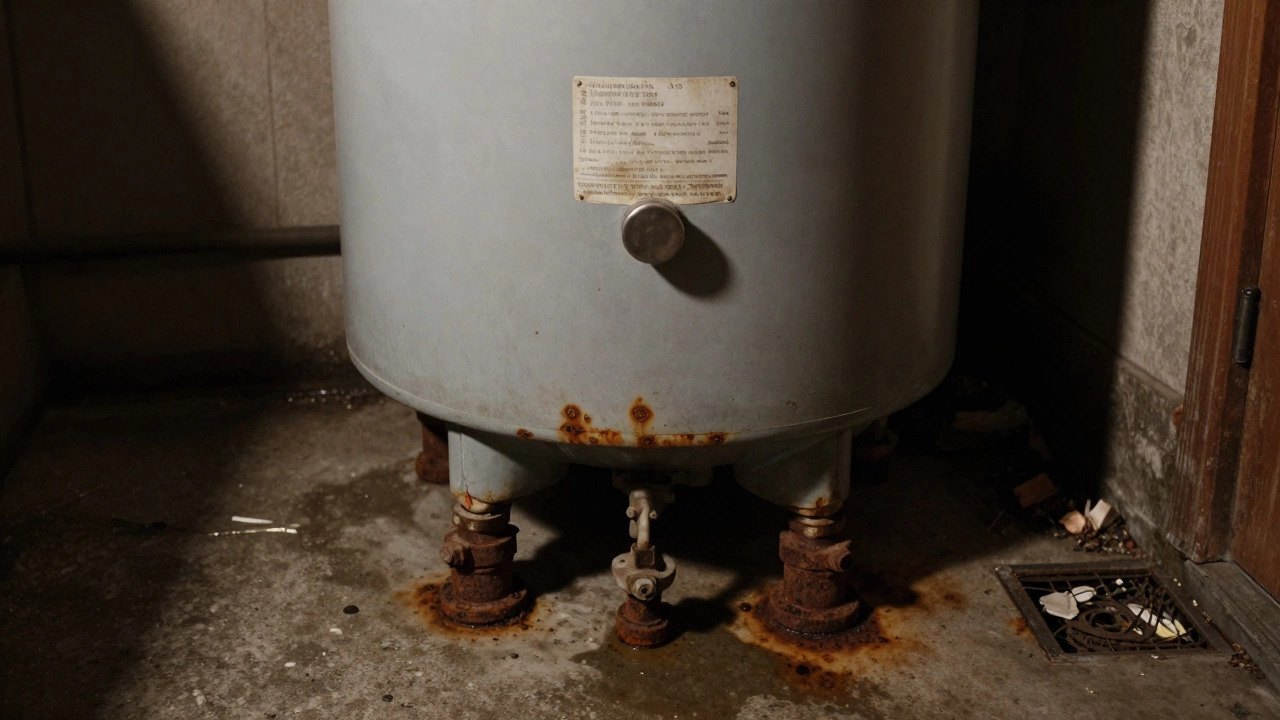
What Usually Fails on a Water Heater? Common Problems and How to Spot Them
Water heaters commonly fail due to leaks, sediment buildup, faulty elements, or age. Learn the top 5 issues, how to spot them early, and when to replace your unit before it floods your home.