

How Long Does a Freezer Last? Lifespan, Signs of Failure, and When to Replace
When you buy a freezer, a household appliance designed to keep food frozen at or below 0°F for long-term storage. Also known as a chest freezer or upright freezer, it’s one of the most relied-on appliances in the kitchen—until it starts acting up. Most freezers last between 10 and 15 years, but that’s only if they’re treated right. If yours is over 10 years old and starting to struggle, you’re not imagining things—it’s probably nearing the end of its run.
What kills a freezer faster? Dirt, dust, and neglect. The condenser coils at the back or bottom get clogged with lint and pet hair, making the compressor work harder. Over time, that wears it out. Poor ventilation around the unit, leaving the door open too long, or stacking food too tightly also stress the system. And if you live in a hot climate or have an unheated garage, your freezer is fighting an uphill battle. A compressor, the heart of the freezer that circulates refrigerant to keep things cold is expensive to replace, so when it starts making grinding or clicking noises, it’s often a sign you’re better off replacing the whole unit.
There are clear warning signs you can’t ignore. Frost piling up inside—even on the walls—is a red flag. It means the door seal is leaking or the defrost timer is broken. If your food is thawing or the temperature keeps rising, don’t wait for it to fail completely. High electricity bills are another clue. If your freezer suddenly uses more power than it used to, it’s not just wasting cash—it’s dying. And if you’ve had to call a technician more than once in the past year, you’re already spending more on repairs than you would on a new model.
Some people try to stretch a freezer’s life with DIY fixes—cleaning coils, replacing gaskets, resetting the thermostat. Those are fine for a 5-year-old unit. But once it hits 10+, those fixes are just delaying the inevitable. New freezers are 30–50% more efficient than models from 10 years ago. That means lower bills, better food safety, and quieter operation. A new energy-efficient freezer, a modern appliance designed to use less power while maintaining consistent freezing temperatures pays for itself in electricity savings alone.
You’ll find plenty of posts below that dig into real-world freezer problems: why they stop cooling, how to test the door seal, what parts actually break, and when repair makes sense. Some are about similar appliances—like fridges and chest freezers—that share the same guts and weaknesses. Others compare repair costs versus replacement. No fluff. Just straight answers from people who’ve been there. If your freezer’s been acting strange, you’re not alone. Let’s figure out what’s really going on—and what you should do next.
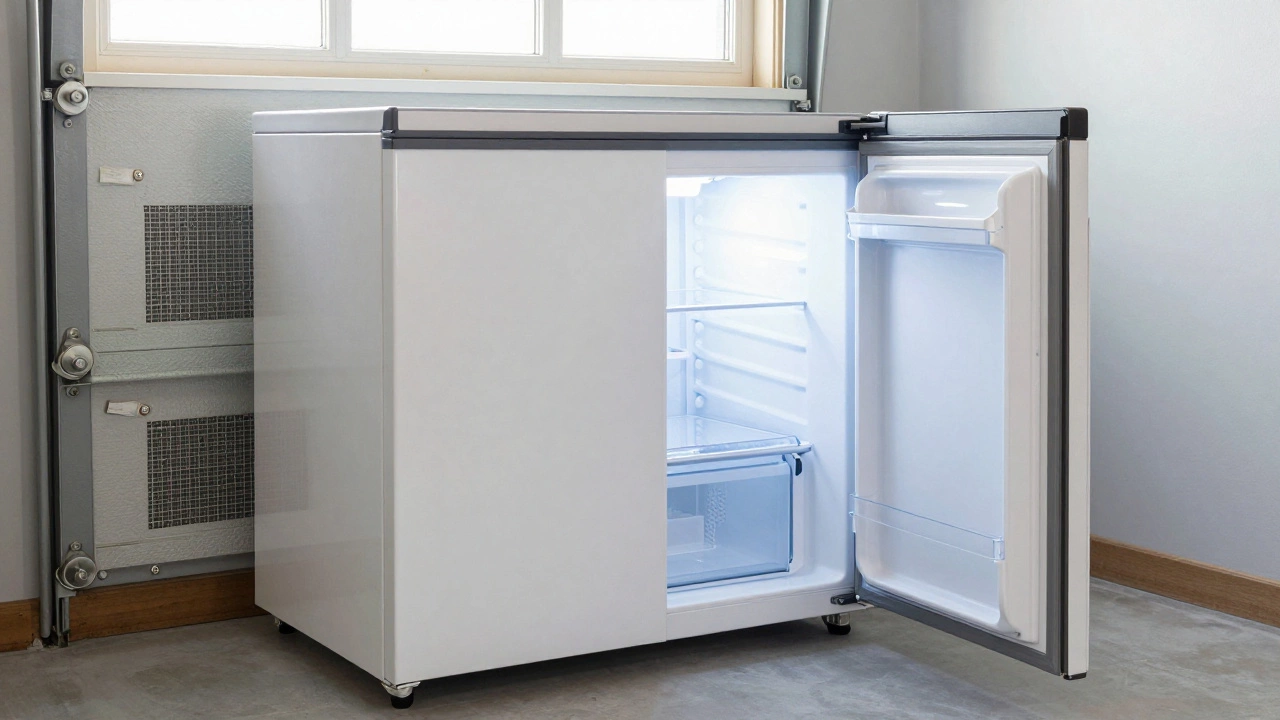
What Is the Life Expectancy of a Freezer? How Long Should You Expect Yours to Last
Most freezers last 10 to 15 years, but signs like high energy bills, strange noises, or poor cooling mean it's time to consider replacement. Learn how to extend your freezer's life and when repair isn't worth the cost.