

Freezer Lifespan: How Long Should Your Freezer Last and When to Replace It
When you buy a freezer, a standalone appliance designed to keep food frozen at 0°F or below. Also known as deep freezer, it’s one of the most relied-on appliances in the kitchen—until it starts acting up. A well-maintained freezer can easily last 10 to 15 years, but many people replace theirs way earlier because they don’t know the warning signs. The truth? Freezers don’t just die suddenly. They give you clues—like louder humming, frost piling up inside, or your food thawing in spots—that it’s nearing the end.
What affects your freezer lifespan, how long the appliance stays functional before needing replacement? It’s not just age. Poor ventilation, dirty coils, frequent door openings, and hard water in defrost systems all wear it down faster. If you live in a hot garage or a damp basement, your freezer works harder—and ages quicker. And if you’ve had the same unit since 2010? It’s already in the late innings. Most manufacturers rate freezers for 10 to 12 years of daily use, but with good care, 15 is common. Beyond that, repairs often cost more than a new model, especially if the compressor is failing.
Then there’s the freezer repair, fixing issues like temperature control failure, ice buildup, or compressor problems. A faulty thermostat or a clogged drain line? Those are cheap fixes. But if the compressor is dying or the insulation has broken down, you’re throwing money into a sinking ship. A $300 repair on a 12-year-old freezer doesn’t make sense when a new Energy Star model runs $600 and cuts your electricity bill by 30%. And let’s not forget food safety—when a freezer can’t hold temperature reliably, you risk spoiled meat, ice cream that turns to slush, or frozen veggies that go bad without you noticing.
You’ll find plenty of posts below that dig into real freezer problems: why yours is running nonstop, how to test if the seal is bad, whether it’s worth fixing a 10-year-old unit, and what noises mean trouble. We’ve got guides on diagnosing frost buildup, checking the condenser coils, and even how to tell if your freezer is leaking refrigerant. No fluff. No theory. Just what actually happens when these machines start to fail—and what to do next.
If you’re wondering whether to fix it or replace it, the answer isn’t just about price. It’s about how much time, energy, and food you’re losing every day. The posts ahead will help you decide—before your freezer leaves you with a fridge full of melted ice cream and a bigger bill than you expected.
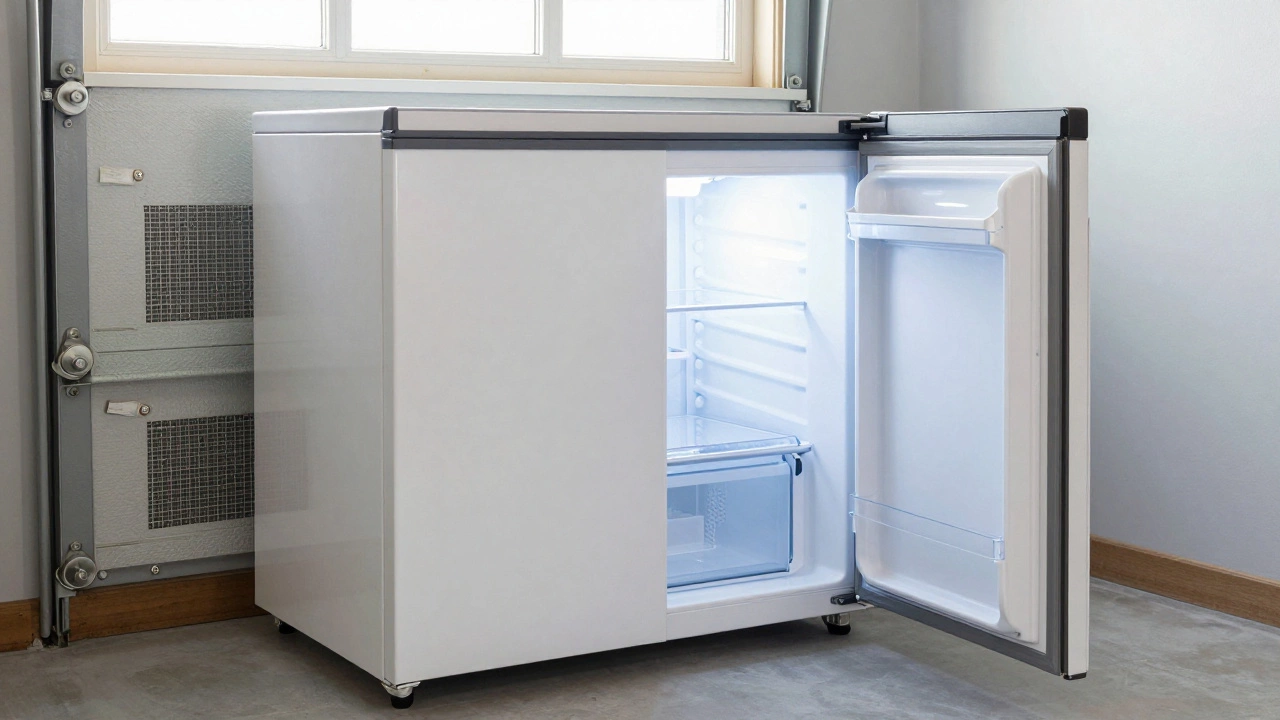
What Is the Life Expectancy of a Freezer? How Long Should You Expect Yours to Last
Most freezers last 10 to 15 years, but signs like high energy bills, strange noises, or poor cooling mean it's time to consider replacement. Learn how to extend your freezer's life and when repair isn't worth the cost.