

Electrician for Hob: When You Need a Pro to Fix Your Cooktop
When your electric hob, a kitchen cooking surface powered by electricity, commonly found in modern UK homes. Also known as induction hob or electric cooktop, it relies on precise electrical circuits to generate heat. If it stops working, it’s rarely a simple fuse issue—it’s often a broken element, faulty wiring, or a damaged control board. Most people assume a handyman or plumber can fix it, but the real expert for electrical faults is a licensed electrician, a certified professional trained to diagnose and repair household electrical systems safely. Unlike gas hobs, electric ones don’t need gas lines or burners—they need clean power, grounded circuits, and working components. A bad connection or worn-out relay can kill the whole unit, and messing with it without the right training is risky.
Common problems? The heating element burns out, the control panel glitches, or the circuit breaker trips because of a short. If only one ring doesn’t heat, it’s probably the element. If the whole hob goes dark, it could be the power supply, the fuse box, or even a faulty thermostat. You can check the breaker and reset it yourself, but if that doesn’t help, you’re dealing with something deeper. That’s where the appliance electrician, a specialist who works on household appliances with electrical systems, not just home wiring. comes in. They know how to test individual components without tearing your kitchen apart. They carry the right multimeters, replacement parts, and safety gear. A general electrician might not know the difference between a ceramic hob and an induction coil. But an appliance electrician does.
And here’s the thing—repairing a hob isn’t always cheaper than replacing it. If your hob is over 10 years old, and the element costs £80 to replace, you’re looking at £150+ in labor and parts. A new entry-level hob runs £300-£500. That’s why we’ve got posts here that break down exactly when to fix and when to walk away. You’ll find guides on testing oven elements, spotting control board failures, and how to tell if your hob’s wiring is outdated. We also cover safety tips, like why you should never bypass a thermal fuse, and what to ask a technician before they start work. No fluff. Just clear, practical advice from people who’ve seen it all—from melted circuits to DIY disasters. Whether you’re trying to save cash or just want your dinner on time, this collection gives you the facts you need to make the right call.
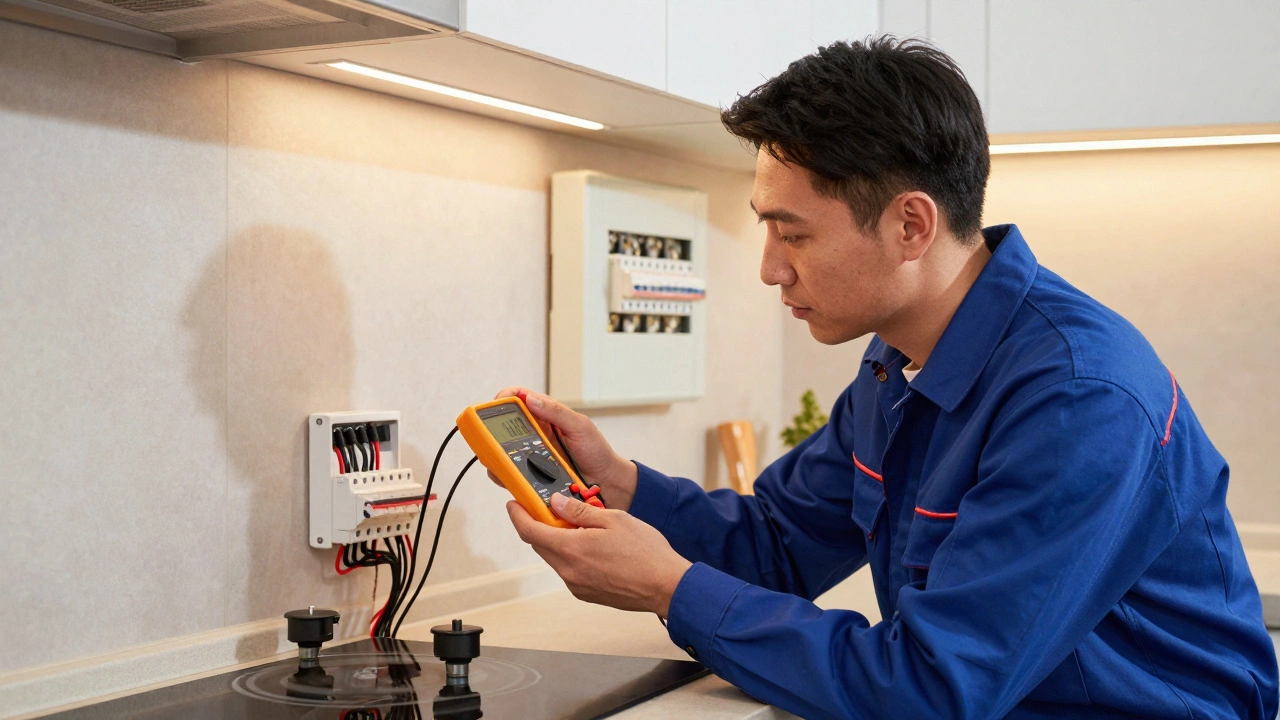
Do You Need an Electrician to Replace an Electric Hob?
Replacing an electric hob requires a licensed electrician for safety and code compliance. DIY installations risk fire, insurance denial, and legal penalties. Here's what you need to know before starting.