

Electric Hob Safety: Common Risks and How to Avoid Them
When you turn on your electric hob, a direct-current or alternating-current powered cooking surface used in modern kitchens. Also known as a electric cooktop, it’s one of the most-used appliances in your home—and one of the most dangerous if ignored. Unlike gas stoves, electric hobs don’t produce open flames, but that doesn’t make them safer. Faulty wiring, cracked elements, overheating controls, or even a simple spill can turn your kitchen into a hazard zone. You might not think twice about a slow-heating burner or a flickering light on the control panel, but those are early signs something’s wrong. And in kitchens, small issues don’t stay small for long.
electric oven control board, the brain that manages temperature, timing, and power distribution, often fails silently. If your hob heats unevenly, turns off randomly, or shows error codes, it’s not just an inconvenience—it’s a fire risk. The same goes for oven thermostat, the sensor that tells the hob when to stop heating. A broken thermostat can keep the element running at full power, overheating the surface and melting nearby plastic knobs or wiring. Many people don’t realize these parts wear out over time. A 10-year-old hob isn’t just old—it’s potentially unsafe. And if you’ve ever smelled burning plastic near your cooktop, that’s not normal. That’s your appliance screaming for attention.
Electric hob safety isn’t about avoiding use—it’s about knowing when to act. You don’t need to be an electrician to spot trouble. Look for discoloration on the surface, hear unusual buzzing, or notice your circuit breaker tripping after you turn on the hob. These aren’t coincidence. They’re red flags. And if you’ve got kids, elderly family members, or anyone who moves slowly around the kitchen, these risks multiply. A single slip, a loose pot handle, or a child pulling on a cord can lead to burns or worse. Regular cleaning helps, but it won’t fix a cracked element or frayed wire. That’s where professional repair comes in. Many people try to fix these themselves, only to make things worse. A $50 part and a 30-minute fix can save you thousands in damage—or worse, a house fire.
Below, you’ll find real stories from homeowners who ignored the warning signs—and those who acted fast. You’ll learn what parts actually fail, how to test them safely, and when it’s time to walk away from repair and choose replacement. No fluff. No guesswork. Just what you need to keep your kitchen safe and your family protected.
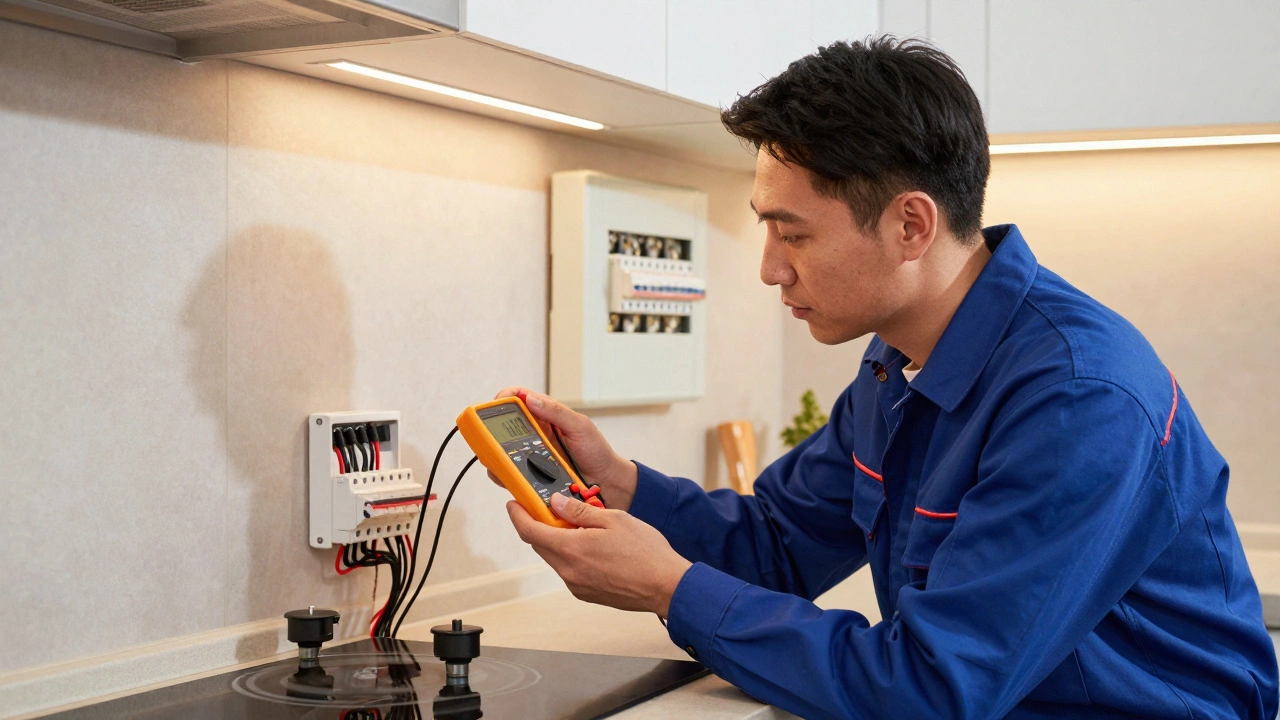
Do You Need an Electrician to Replace an Electric Hob?
Replacing an electric hob requires a licensed electrician for safety and code compliance. DIY installations risk fire, insurance denial, and legal penalties. Here's what you need to know before starting.