

Electric Hob Replacement: When to Fix, When to Swap, and What You Need to Know
When your electric hob, a direct-current cooking surface powered by electricity, commonly found in modern kitchens. Also known as electric cooktop, it’s one of the most used appliances in your home—and one of the most likely to fail after 10 to 15 years. If it’s not heating evenly, sparking, or refusing to turn on, you’re probably asking: should I repair it or replace it? Most people assume a broken element means a full replacement, but that’s not always true. Sometimes it’s just a faulty switch, a blown fuse, or a loose connection. Other times, the whole unit is done for.
The electric hob, a cooking surface that uses resistive heating elements beneath a glass or ceramic panel is different from a full oven. It’s the flat part you put pots on. When that part stops working, it’s not always the element itself. The control board, the electronic brain that sends power to each burner can go bad, especially in older models. Or the thermostat, the sensor that regulates temperature might be misreading heat and cutting power too early. These are fixable. But if the glass top is cracked, the wiring is fried, or the unit’s over 12 years old, replacement usually makes more sense than repair.
Here’s what to look for: if one burner works and the others don’t, it’s likely a single element or switch issue. If none work at all, check the circuit breaker first—then the power supply. If you hear clicking but no heat, the relay or control board is probably the culprit. If you see sparks, smell burning plastic, or notice the surface stays hot after turning it off, stop using it. That’s not a minor glitch—that’s a safety risk. Many people try to fix these themselves, but unless you’ve worked with 240V circuits, you’re playing with fire. A professional can test the elements, check the wiring, and confirm whether the repair cost is under 50% of a new unit’s price. If it is, fix it. If not, replace it.
Modern electric hobs are more efficient, safer, and easier to clean than older models. New ones often come with auto-shutoff, child locks, and precise temperature control. If your hob is from the 2000s or earlier, even a successful repair won’t bring it up to today’s standards. You’ll save money on your energy bill, reduce the chance of sudden failure, and get better cooking results.
Below, you’ll find real-life examples of what goes wrong with electric hobs, how to tell if it’s worth fixing, and what replacement options actually work in a UK home. No fluff. No guesswork. Just what you need to decide—without calling a technician until you’re ready.
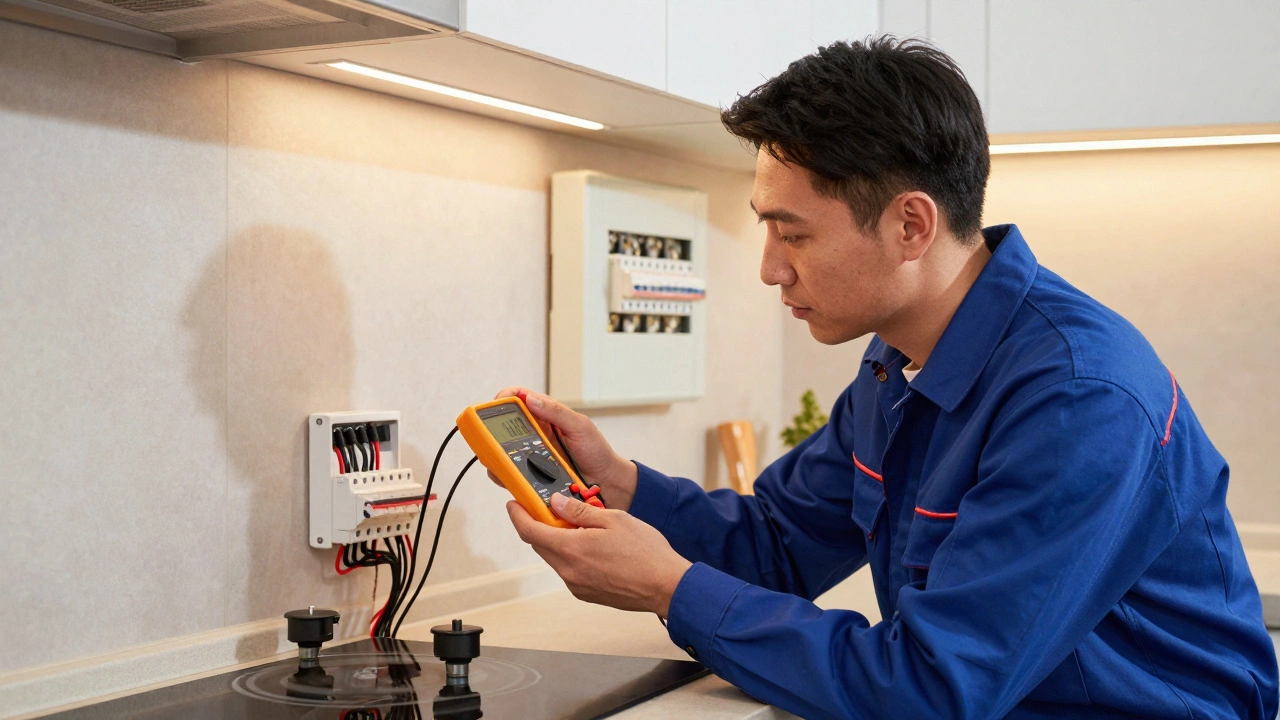
Do You Need an Electrician to Replace an Electric Hob?
Replacing an electric hob requires a licensed electrician for safety and code compliance. DIY installations risk fire, insurance denial, and legal penalties. Here's what you need to know before starting.