

Electric Hob Installation: What You Need to Know Before You Start
When you’re installing an electric hob, a flat, electric-powered cooking surface built into your kitchen countertop. Also known as a cooktop, it’s a popular choice for modern kitchens because it heats up fast, cleans easily, and doesn’t need gas lines. But putting one in isn’t just about slotting it into a cutout. If the wiring’s wrong, the power supply’s weak, or the countertop isn’t rated for the heat, you’re asking for trouble—shut-offs, damaged appliances, or even fire risks.
Most electric hobs need a dedicated 240-volt circuit, not a regular 120-volt outlet. That means you’ll likely need a new circuit breaker and proper gauge wiring running from your fuse box. A lot of DIYers skip checking this, then wonder why their new hob trips the breaker the first time they turn all burners on. It’s not the hob—it’s the setup. And if your kitchen was built before 2000, the wiring might not even handle the load. You don’t need an electrician to replace a burner, but you absolutely need one to handle the power feed. The same goes for the countertop material. Stone, quartz, and solid surface tops can handle the heat, but cheaper laminates or wood can warp, crack, or catch fire if the hob isn’t properly insulated underneath.
Installation also means checking the clearance around the hob. There should be at least 2 inches of space on each side and 12 inches above for ventilation. If you’re replacing an old hob, old holes or uneven surfaces can make the new one wobble or seal poorly. That’s not just annoying—it’s unsafe. Gas lines don’t need to be moved, but you still need to make sure the power cable isn’t pinched under the unit or stretched too tight. And don’t forget the grounding. A poorly grounded hob can give you shocks, even if it seems to work fine.
Some people think electric hobs are plug-and-play because they don’t need gas. But they’re more like washing machines or dryers—simple to use, but tricky to install safely. If you’re swapping out an old hob, check the model number and compare the power ratings. A 7kW hob won’t work on a circuit meant for a 5kW one. And if you’re adding a hob to a new kitchen, plan the circuit before you lay the tiles. Retrofitting power later is messy and expensive.
What you’ll find below are real fixes and checks from people who’ve been there—whether it’s a hob that won’t turn on, a circuit that keeps blowing, or a countertop that cracked during install. We’ve got guides on testing wiring, matching power requirements, and spotting when your kitchen’s ready—or not. No fluff. Just what actually matters when you’re trying to get your electric hob working without burning down your kitchen.
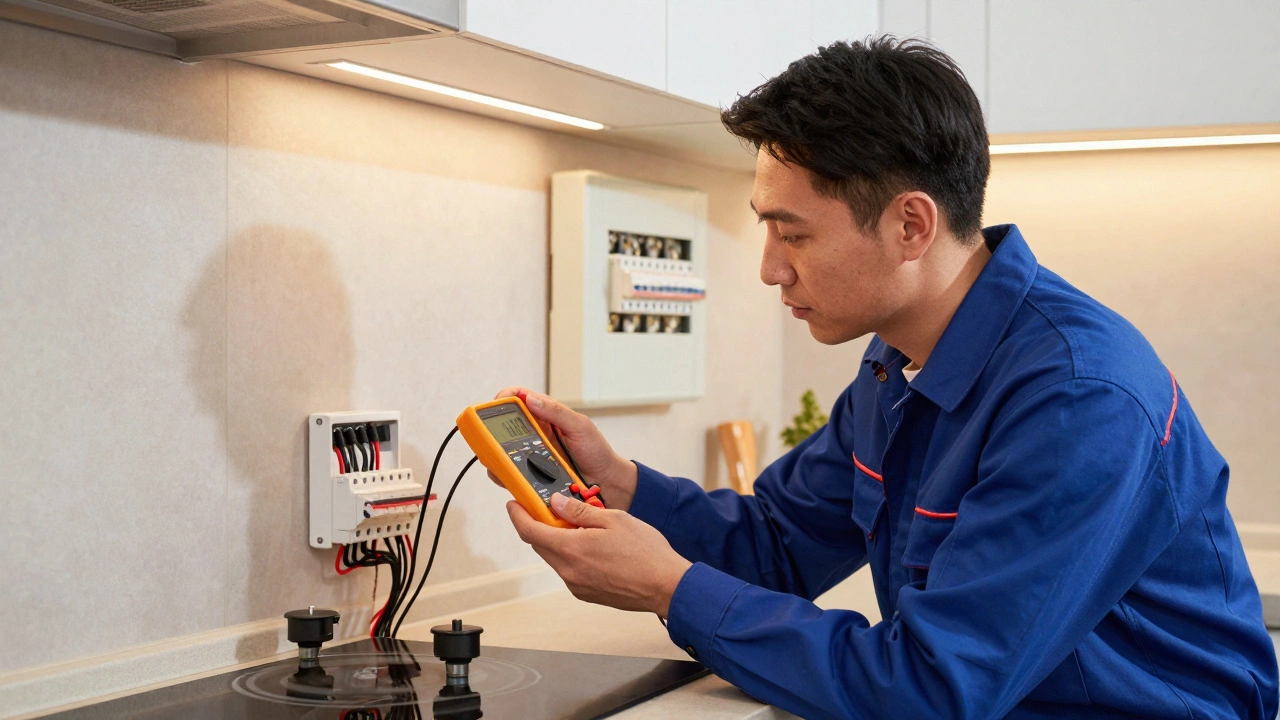
Do You Need an Electrician to Replace an Electric Hob?
Replacing an electric hob requires a licensed electrician for safety and code compliance. DIY installations risk fire, insurance denial, and legal penalties. Here's what you need to know before starting.