

Broken Oven Element: Causes, Fixes, and When to Replace
When your broken oven element, the heating coil inside an electric oven that generates heat to cook food. Also known as a bake element, it’s one of the most common parts to fail in electric ovens. The oven might not heat at all, or only the broil function works. You might see dark spots, cracks, or sections that don’t glow red when it’s on. It’s not always the element—but it’s the first thing to check.
A oven element, a resistive heating component that turns electricity into heat. Also known as a bake element, it’s one of the most common parts to fail in electric ovens. isn’t just a coil—it’s connected to the oven’s control board, thermostat, and wiring. If the element is dead, the problem could also be a faulty control board, the electronic brain that sends power to the oven element and other components. Or maybe a blown fuse, a bad thermostat, or a tripped breaker. People often assume the element is broken because the oven won’t heat. But sometimes, the element is fine, and the real issue is deeper. That’s why checking the element first saves time and money.
You don’t need to be an electrician to test an oven element. Unplug the oven or turn off the circuit breaker. Pull out the element (it usually just unscrews). Look for visible damage—blisters, breaks, or burnt spots. Then use a multimeter to test for continuity. If there’s no reading, the element is dead. If it looks good but still doesn’t work, the problem could be with the wiring or the control board. Many people replace the element without testing, only to find out the issue was something else. That’s why knowing what to check before you buy parts matters.
Most electric ovens last 10 to 15 years. If yours is older than that and the element broke, you’re looking at a tough call. Replacing the element costs $50 to $150 for parts and labor. A new oven starts at $500. If you’ve had other repairs lately—like a failing door seal, inconsistent heat, or flickering lights—it might be time to think about replacement. But if your oven is under 8 years old and this is the first big issue, replacing the element is usually the smart move.
Some people try to fix a broken oven element themselves. It’s doable if you’re comfortable with basic tools and safety. But if you’re unsure about electricity, wiring, or how to access the element, don’t risk it. A mistake can cause a fire, trip your breaker, or fry your control board. That’s why many homeowners in Bridgewater call a pro for oven repairs. A trained technician will test the element, check the wiring, and confirm the real cause before replacing anything.
What you’ll find below are real fixes from people who’ve been there. Posts that explain how to test an oven element without tools, how to tell if it’s really the element or something else, and when it’s cheaper to replace the whole oven. You’ll see what parts actually fail, what costs what, and how to avoid paying for the wrong repair. No fluff. Just what works.
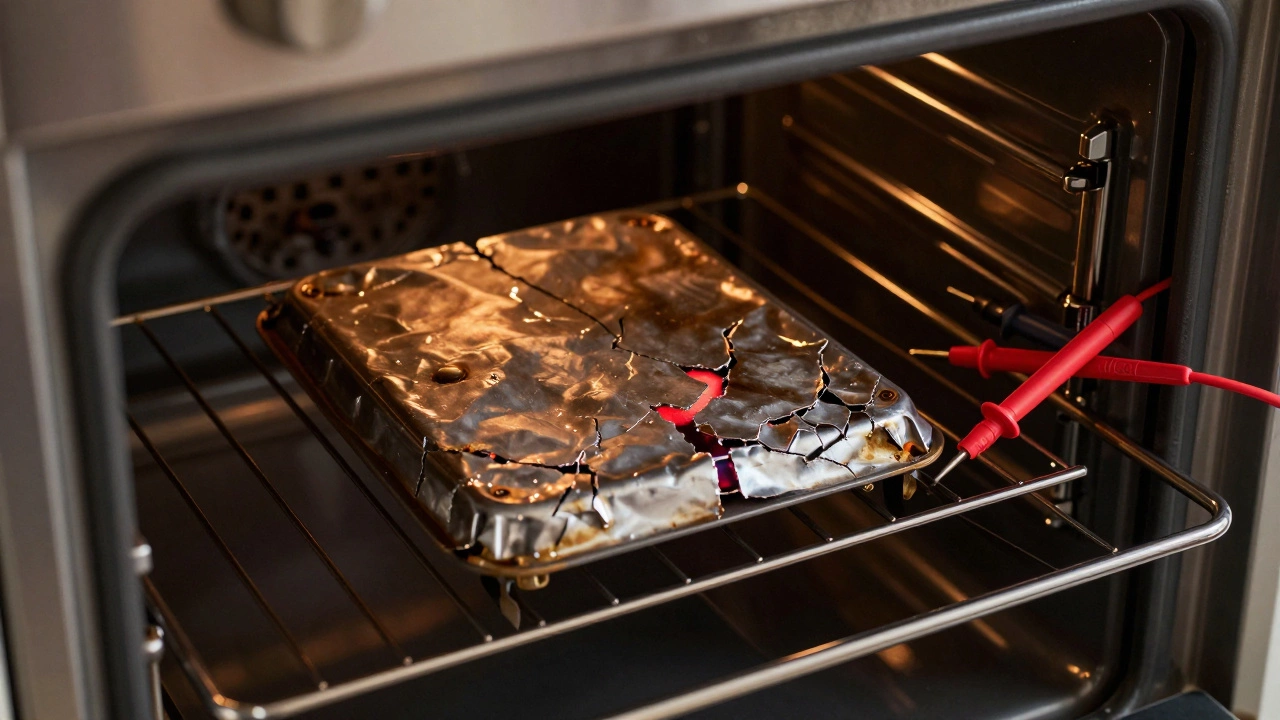
How to Tell If Your Oven Element or Thermostat Is Broken
Learn how to tell if your oven's heating element or thermostat is broken with simple tests you can do at home. Save money by fixing it yourself before calling a technician.