

Anode Rod Replacement: When and Why You Need It for Your Water Heater
When your water heater starts leaking or runs out of hot water too fast, the problem might not be the tank itself—it could be the anode rod, a sacrificial metal rod inside your water heater that protects the tank from corrosion. Also known as a sacrificial anode, it’s the unsung hero keeping your tank from rusting through. Most people never think about it until water starts pooling on the floor. But replacing it every 3 to 5 years can add years to your water heater’s life—and save you hundreds in replacement costs.
The magnesium anode rod, a common type of anode rod made from magnesium metal that attracts corrosive elements in the water is the standard in most homes. It works by corroding itself instead of your steel tank. Hard water or water softeners speed up this process, which means you might need to check it sooner. If you hear popping or smell rotten eggs, that’s often a sign the rod is gone and bacteria are eating away at the tank. A visual inspection takes less than 15 minutes with a wrench, and you can buy a new rod at any hardware store for under $50. Compare that to a new water heater, which can cost $1,000 or more.
Many of the water heater issues you’ve read about—like sudden leaks, rusty water, or strange noises—are directly tied to a failed anode rod. If your water heater is older than 5 years and you’ve never checked the rod, you’re playing Russian roulette with your plumbing. Replacing it isn’t a job for a plumber or electrician—it’s a DIY task most homeowners can handle. And if you’ve been told your heater is "just old" and needs replacing, ask if the anode rod was ever checked. In many cases, a simple replacement can buy you another 5 to 7 years.
Below, you’ll find real-world guides that connect directly to this issue: how to spot water heater failure before it floods your home, why you suddenly have no hot water, and what those strange noises really mean. These aren’t theory pieces—they’re fixes people in Bridgewater have used to avoid expensive surprises. If you’ve got a water heater, you need to know about the anode rod. It’s not glamorous, but it’s the one thing standing between you and a flooded basement.
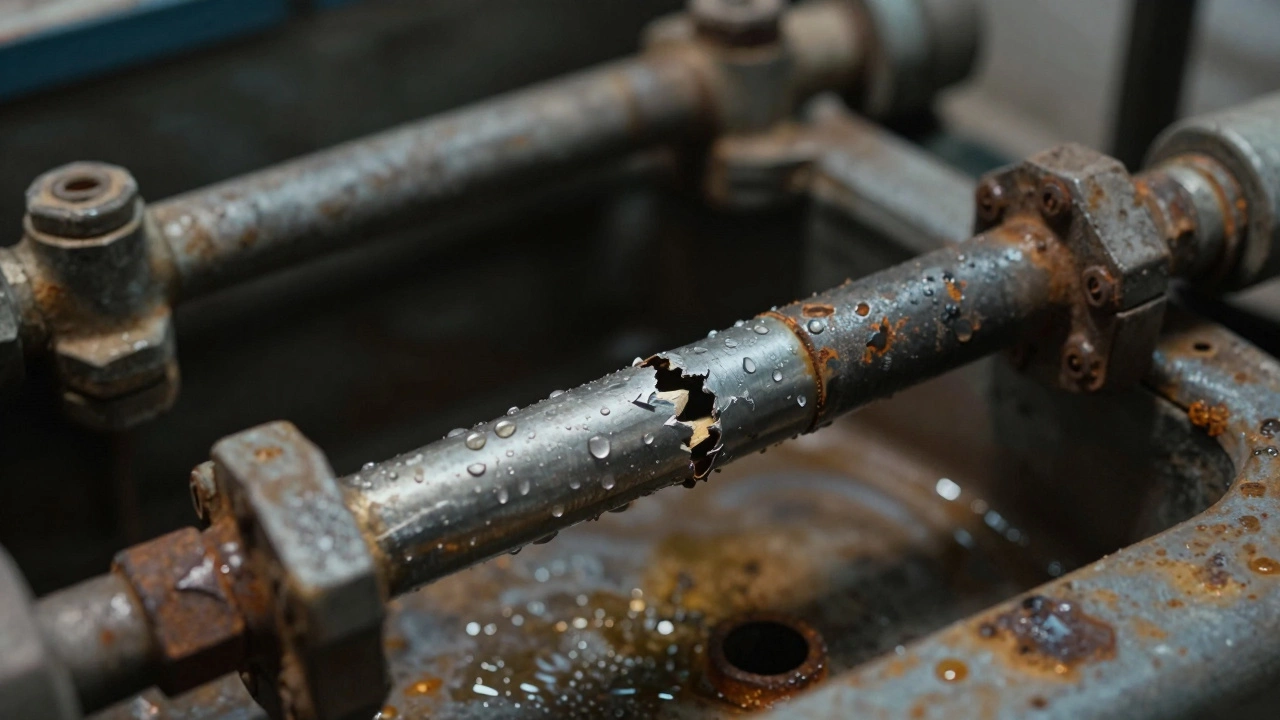
How Often Should You Replace the Anode Rod in a Water Heater?
Check and replace your water heater's anode rod every 3-5 years to prevent tank corrosion and extend its life. Hard water, high temperatures, and neglect shorten rod life. Inspect it yourself or hire a pro-before your heater leaks.