

Repair vs Replace: When to Fix Your Boiler or Buy a New One
 Apr, 19 2026
Boiler Repair vs. Replace Calculator
Decision Analysis Tool
The Moment of Truth: Fix It or Bin It?
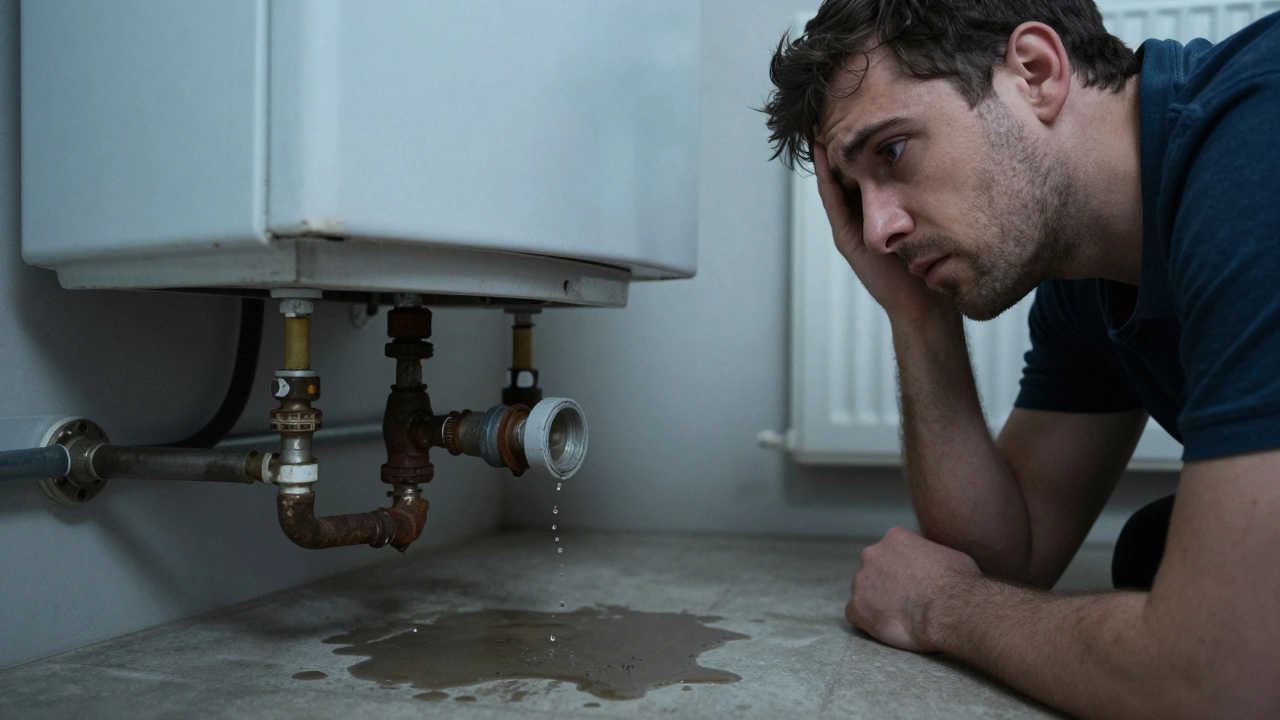
You wake up, turn on the heating, and... nothing. Or maybe you hear a sound like a gravel mixer inside your utility closet. Now you're facing that dreaded question: can this be fixed, or is your heating system just a very expensive piece of scrap metal? It's a stressful spot to be in because the wrong choice can cost you thousands of dollars in wasted repairs or a premature replacement.
Deciding between boiler repair is the process of fixing specific mechanical or electrical failures in a heating system to extend its operational life and a full replacement isn't just about the current bill. It's about the age of the unit, your monthly energy bills, and whether the parts are even still made. If you're staring at a leaking tank and wondering if it's worth another $500 fix, you need a clear framework to make the call.
| Scenario | Recommendation | Primary Reason |
|---|---|---|
| Boiler is 5 years old | Repair | High remaining lifespan |
| Boiler is 15+ years old | Replace | Efficiency loss & part scarcity |
| Repair cost > 50% of new unit | Replace | Poor return on investment |
| Frequent minor breakdowns | Replace | Systemic failure / Unreliability |
The Age Factor: The 15-Year Rule
In the world of home heating, time is the biggest enemy. Most residential boilers are designed to last between 12 and 20 years, depending on how well they've been maintained. If your system is under 10 years old, a repair is almost always the smarter move. You've already sunk the heavy cost of installation, and most modern components can be swapped out without needing to rip out the whole unit.
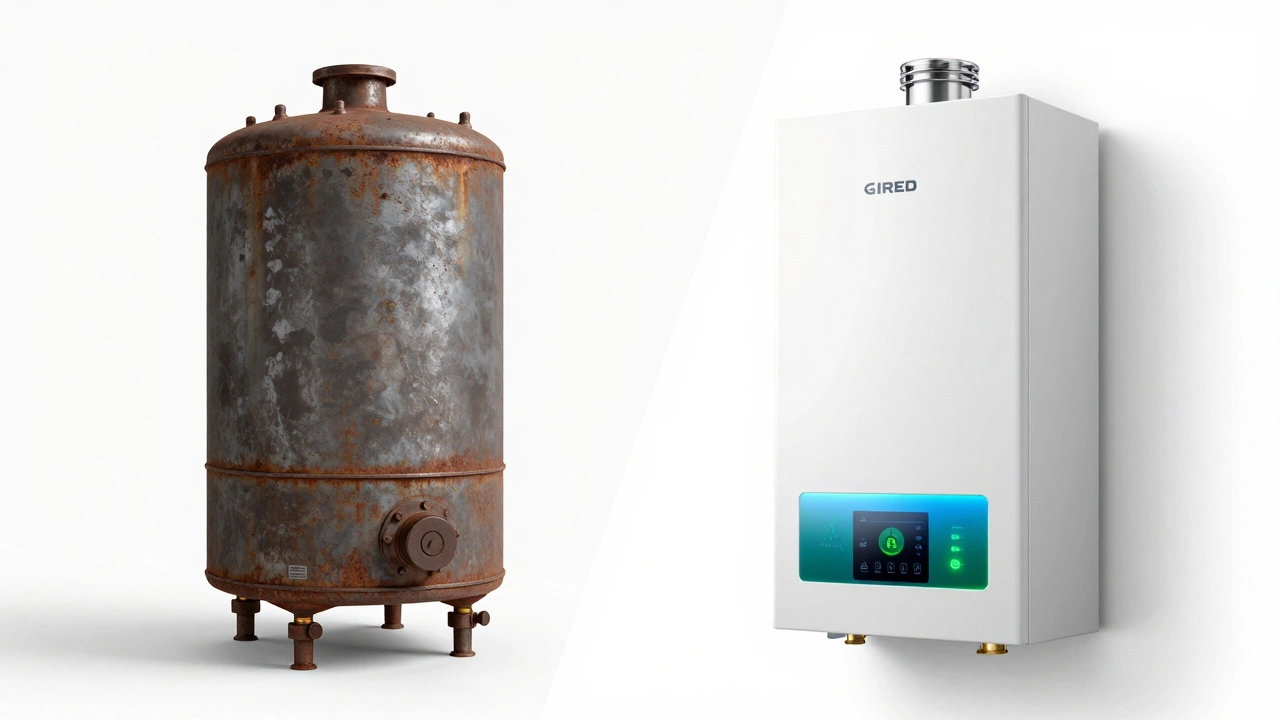
Once you cross that 15-year mark, the math changes. Older units lack the efficiency of Condensing Boilers, which can recover up to 90% of the heat that would otherwise escape through the flue. If you're running a 20-year-old non-condensing model, you're essentially paying a "hidden tax" every month in the form of higher gas bills. At this stage, a repair is often just a band-aid on a sinking ship.
Calculating the 'Repair Threshold'
How do you know when a repair is too expensive? A good rule of thumb is the 50% rule. If the cost of the repair is more than 50% of the price of a new, comparable boiler, it's time to shop for a replacement. For example, if a technician tells you that a new heat exchanger for your old unit will cost $1,200, but a brand new high-efficiency boiler costs $2,500, you're spending nearly half the cost of a new system on a unit that's still old and inefficient.
You also have to consider the frequency of the fixes. If you've called a technician three times in the last year for different issues-maybe a faulty pump in January and a leaking valve in October-you're dealing with a system in decline. When components start failing in a domino effect, the "cheap fix" becomes a recurring nightmare.
Signs You Absolutely Must Replace
Some problems are non-negotiable. If you encounter any of the following, stop looking for a repairman and start looking for a quote on a new system:
- Cracked Heat Exchanger: This is a critical safety failure. A cracked exchanger can leak Carbon Monoxide, an odorless, colorless gas that can be fatal. While some can be patched, it's often a sign that the metal has fatigued beyond repair.
- Severe Corrosion: If the internal casing or the tank is rusted through, no amount of sealant will fix it permanently. Water and electricity don't mix, and structural rust leads to catastrophic leaks.
- Obsolete Parts: Sometimes the boiler is fine, but the manufacturer no longer makes the parts. If your technician tells you they have to source a part from eBay or a scrapyard, you're one breakdown away from a total house freeze.
- Consistent Noise and Vibration: While a clicking sound might be a simple thermostat issue, a deep, rhythmic banging (known as "kettling") often indicates severe limescale buildup or a failing internal structure.
The Energy Efficiency Equation
Let's talk about the money you don't see. Replacing an old boiler with a A-rated Energy Boiler can slash your monthly heating costs by 20% to 30%. Modern systems use smarter modulation, meaning they don't just blast the heat on or off; they adjust the flame to maintain a steady temperature. This reduces the wear and tear on the system and saves you a fortune on fuel.
If you're considering a replacement, look into Heat Pumps as an alternative. While the upfront cost is higher, many governments offer grants to move away from fossil fuels. Transitioning to an electric heat pump changes your entire energy profile and significantly reduces your carbon footprint, making it a long-term investment rather than just a quick fix for a cold house.
Comparing Your Options at a Glance
If you're still undecided, let's look at the trade-offs. Repairing is the "quick win"-it's faster and cheaper today. Replacing is the "long game"-it's expensive now but saves money and stress over the next decade.
| Feature | Repairing | Replacing |
|---|---|---|
| Upfront Cost | Low to Moderate | High |
| Installation Time | Hours to Days | 1 to 3 Days |
| Monthly Utility Bills | Remain Same/High | Decrease significantly |
| Warranty | Part-specific (short) | Full system (long) |
| Peace of Mind | Temporary | High for 10+ years |
How to Avoid This Dilemma in the Future
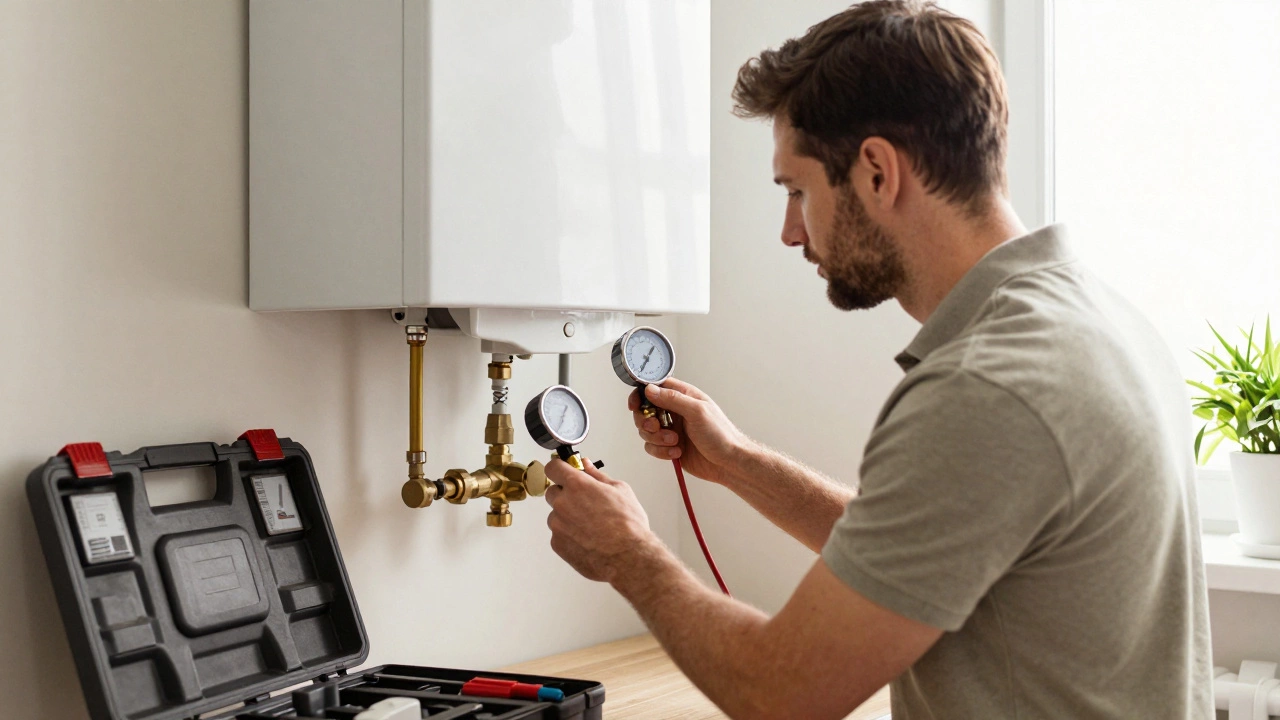
The best way to avoid the "repair or replace" panic is Annual Boiler Servicing. A professional tune-up doesn't just keep the warranty valid; it allows a technician to spot a thinning pipe or a failing sensor before it turns into a midnight emergency. Cleaning the sludge out of your radiators and checking the pressure once a month can add years to your boiler's life.
Think of your boiler like a car. You wouldn't drive a vehicle for 100,000 miles without an oil change and then act surprised when the engine seizes. The same applies here. If you maintain the system, you can push a quality boiler to the 20-year mark, maximizing your investment and delaying that big expenditure as long as possible.
How long does a typical boiler last?
Most boilers last between 12 and 20 years. This range depends heavily on the quality of the brand, the hardness of your local water (which causes limescale), and whether you have a professional service it every year. If you ignore maintenance, you might find yourself needing a replacement as early as year 10.
Will a new boiler actually save me money on my gas bill?
Yes, absolutely. Modern condensing boilers are far more efficient than models from 15 years ago. They capture heat from the exhaust gases that old boilers simply vented outside. Depending on the age of your current system, you could see a reduction in heating costs of 20% to 35% per month.
Can I just replace the boiler and keep my old radiators?
In most cases, yes. However, a new high-efficiency boiler is more sensitive to "sludge" (iron oxide) in your pipes. If your radiators haven't been flushed in years, the new boiler will struggle to push water through them, which can damage the new heat exchanger. It's highly recommended to perform a system flush when installing a new unit.
What is the fastest way to tell if my boiler is dying?
Look for "cascading failures." If you've had to fix three different parts in the last 24 months, the internal components are likely reaching the end of their fatigue life. Other signs include erratic temperatures (rooms that are too hot or too cold) and a noticeable increase in noise during the startup cycle.
Is it cheaper to repair a boiler in the summer?
While the cost of parts doesn't change, labor availability does. During the first cold snap of winter, HVAC technicians are overwhelmed, and you might pay a premium for emergency call-outs. Booking a replacement or major repair in July or August often gives you more leverage to negotiate a better price and a more flexible installation date.
Next Steps for Homeowners
If you're currently dealing with a breakdown, start by getting a detailed diagnostic report. Don't just ask "how much to fix it?" Ask "what is the cause, and how will this affect the other parts of the system?" If the unit is over 12 years old, get two quotes: one for the repair and one for a full replacement.
For those with an aging system that's still working, now is the time to start a "boiler fund." Setting aside a small amount each month prevents the financial shock of a winter breakdown. Also, check your local government websites for energy-efficiency rebates; you might be able to get a portion of a new, eco-friendly boiler paid for through green energy initiatives.