

Is it worth having a dishwasher repaired? Cost vs. Replacement Guide
 Apr, 20 2026
Dishwasher Repair vs. Replace Calculator
Quick Decision Guide
- Repair it if: The unit is under 6 years old, the part is readily available, and the fix is under $300.
- Replace it if: The tub is leaking (rust/holes), it's over 10 years old, or the main control board is fried on an old model.
- DIY it if: It's a drainage issue, a door seal leak, or a simple blown fuse.
The Real Cost of Fixing vs. Buying
When you call a technician, you aren't just paying for a part; you're paying for the diagnostic visit. In most major cities, a service call ranges from $80 to $120 just to get them through the door. If they find a faulty Drain Pump (a component that pushes waste water out of the machine), the part might only cost $60, but with labor, you're looking at $250.
Compare that to buying a new mid-range machine. A decent Bosch or KitchenAid usually runs between $600 and $1,200. If you spend $250 on a repair for a machine that's 4 years old, you're likely extending its life by another 4-6 years. That's a much better investment than spending $800 today.
| Issue | Estimated Repair Cost | Replacement Cost | Verdict |
|---|---|---|---|
| Clogged Filter/Drain | $0 - $150 | $600+ | Always Repair |
| Faulty Door Seal | $100 - $200 | $600+ | Repair |
| Dead Heating Element | $200 - $350 | $600+ | Repair if < 7 years old |
| Main Control Board Failure | $300 - $500 | $600+ | Replace if > 5 years old |
| Rusted Outer Tub | N/A (Impossible) | $600+ | Replace Immediately |
When Repair is a No-Brainer
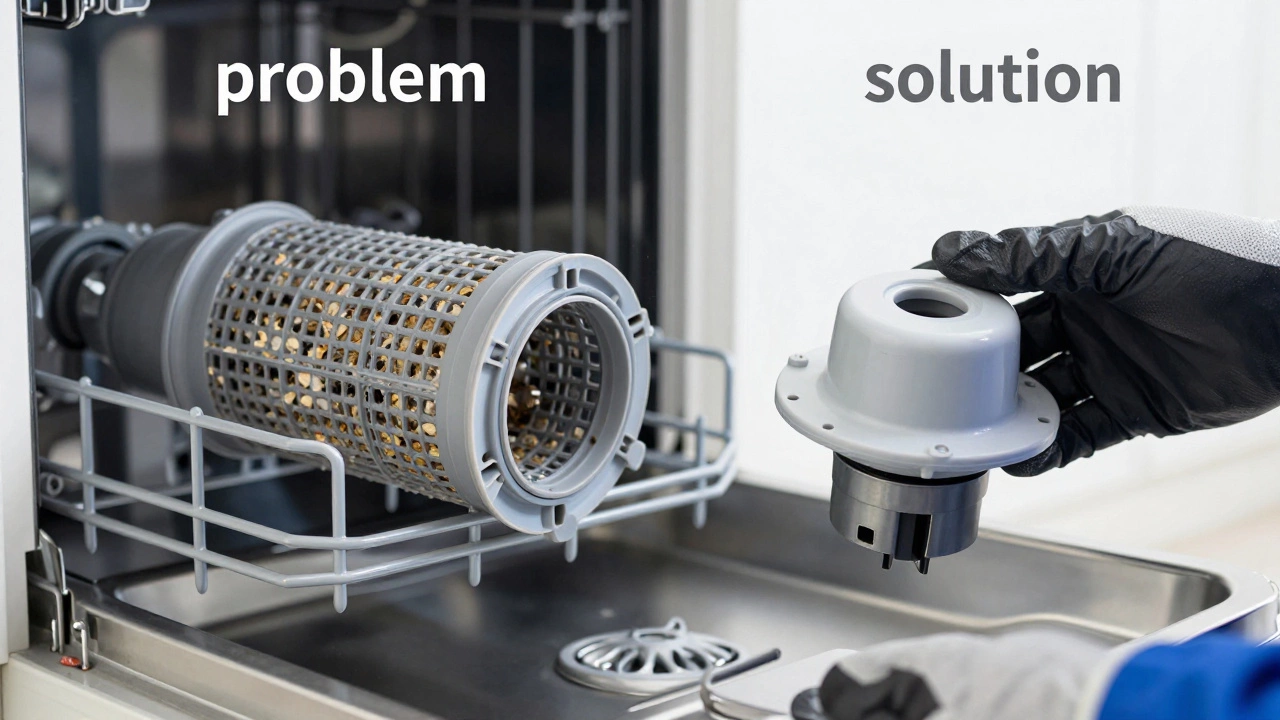
Some problems sound catastrophic but are actually trivial. If your dishwasher isn't cleaning dishes, your first suspect shouldn't be the motor; it's usually the Filter. Most modern machines have a removable cylindrical filter at the bottom. If it's packed with old food and grease, the water can't circulate, and your plates stay dirty. Cleaning this costs $0 and takes five minutes.
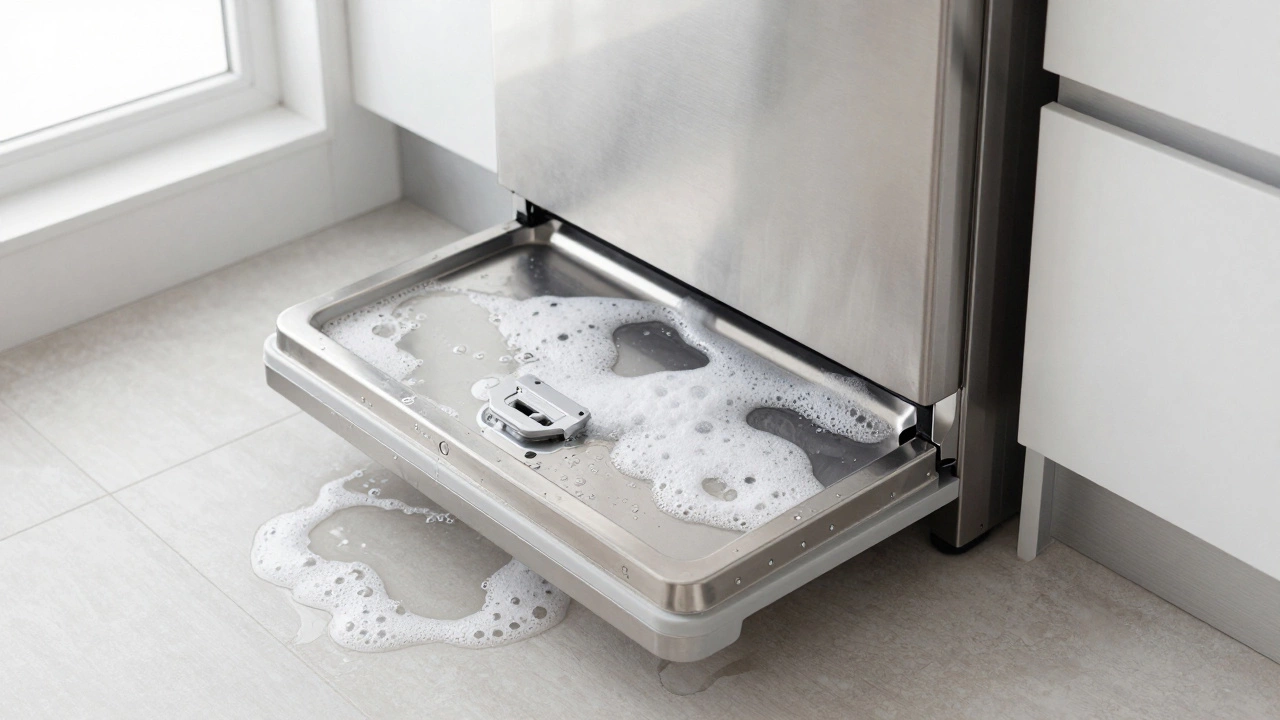
Similarly, if you see water pooling at the bottom, check the air gap or the garbage disposal. A lot of people think their dishwasher is broken when in reality, the Garbage Disposal is clogged, preventing the dishwasher from pumping water out. This is a plumbing issue, not an appliance failure. If you can fix the flow of water, you've just saved yourself from a $600 mistake.
The Red Flags That Mean You Should Replace
There are certain "death knells" for a dishwasher. The most obvious is a leak coming from the tub itself. If the inner lining of the machine has rusted through or cracked, you can't really "patch" it. Water will find a way out, and the moisture will rot your kitchen cabinets from the inside out. At that point, the machine is a liability.
Another major warning sign is the age of the unit. The average lifespan of a dishwasher is about 9 to 12 years. If your machine is 11 years old and the Main Control Board (the "brain" of the machine) dies, don't fix it. Technology changes fast. Newer models are significantly more water-efficient and quieter. Replacing a decade-old machine with a modern one will likely lower your monthly utility bills and save you from the inevitable failure of the next aging part.
Evaluating Energy and Water Efficiency
If you're on the fence, look at the ENERGY STAR rating of your current unit. Machines from 2010 used significantly more gallons per cycle than those produced in 2025. If you have an ancient "tank" of a dishwasher, you're essentially paying a hidden tax every time you run a load through wasted water and electricity.
Modern Inverter Motors are also a game-changer. They don't just blast on or off; they adjust speed based on the load. This makes the machine quieter and prevents the wear-and-tear that leads to the very repairs you're debating right now. If your current machine sounds like a jet engine taking off in your kitchen, the upgrade is worth it for your sanity alone.
How to Avoid Future Breakdowns
Once you've decided to repair (or bought a new one), you want to make sure it lasts. The biggest killer of dishwashers is the buildup of Limescale, especially in hard-water areas. Using a rinse aid or a dishwasher salt system can prevent the heating element from becoming coated in calcium, which causes it to overheat and burn out.
Stop pre-rinsing your dishes. It sounds counterintuitive, but modern detergents have enzymes that need food particles to latch onto. If the dishes are too clean, the detergent can actually be too aggressive on the interior seals and plastics. Scrape the big chunks into the bin, but leave the residue for the machine to handle. It's what it was designed for.
How long should a dishwasher typically last?
On average, a dishwasher lasts between 9 and 12 years. High-end brands like Miele or Bosch often push toward the 15-year mark with proper care, while budget models may start showing significant wear after 6 or 7 years.
Is it worth repairing a dishwasher that is 10 years old?
Generally, no. Once a machine hits the 10-year mark, other components (seals, pumps, belts) are likely nearing the end of their life. Spending $200 now might be followed by another $150 repair in six months. At this age, the energy savings of a new model usually outweigh the cost of a repair.
What is the most common cause of dishwasher leaks?
The most common culprit is a worn-out door gasket (the rubber seal). Over time, the rubber hardens or rips, allowing water to seep out. Other common causes include incorrect leveling of the machine or a clogged drain hose that causes water to back up and overflow.
Can I fix a dishwasher myself?
Yes, for simple tasks. Cleaning filters, replacing a spray arm, or swapping a door seal are all beginner-friendly. However, if you have to touch the main wiring or dismantle the pump housing, it's safer to hire a professional to avoid electrical hazards or causing further leaks.
Why does my dishwasher smell even after a cycle?
This is usually caused by food debris trapped in the filter or a buildup of grease in the drain line. Try running a cycle with a cup of white vinegar on the top rack and a bit of baking soda on the bottom to break down the organic matter.
Next Steps for Homeowners
If you're still unsure, start by unplugging the unit and checking the filter. If that doesn't work, look up your model number online to see if there's a known recall or a common "easy fix" for your specific symptom. If you decide to call a pro, ask for a flat-rate diagnostic fee so you know exactly what the visit costs before they even touch the machine.
If you've decided to replace the unit, don't just look at the price tag. Check the decibel (dB) rating. A machine at 44dB is virtually silent, while one at 52dB will be a constant nuisance in an open-concept home. Your future self will thank you for paying a bit more for the quieter model.