

Is a Toilet an Appliance? Complete Guide to Bathroom Equipment Classification
 Mar, 30 2026
Home Equipment Classification & Repair Guide
Knowing if an item is a fixture or an appliance determines insurance coverage, building permit needs, and which professional should service it.
That old apartment lease said you couldn't install "major appliances," so you're trying to figure out if your new toilet installation needs special permission. Or maybe your homeowner's insurance claim got rejected because they questioned whether your toilet falls under appliance coverage. Here's what you need to know about how toilets fit into (or don't fit into) the appliance category.
The short answer: No, a toilet isn't technically an appliance. But that distinction matters more than you might think when dealing with insurance claims, building permits, or repair coverage.
What Makes Something an Appliance?
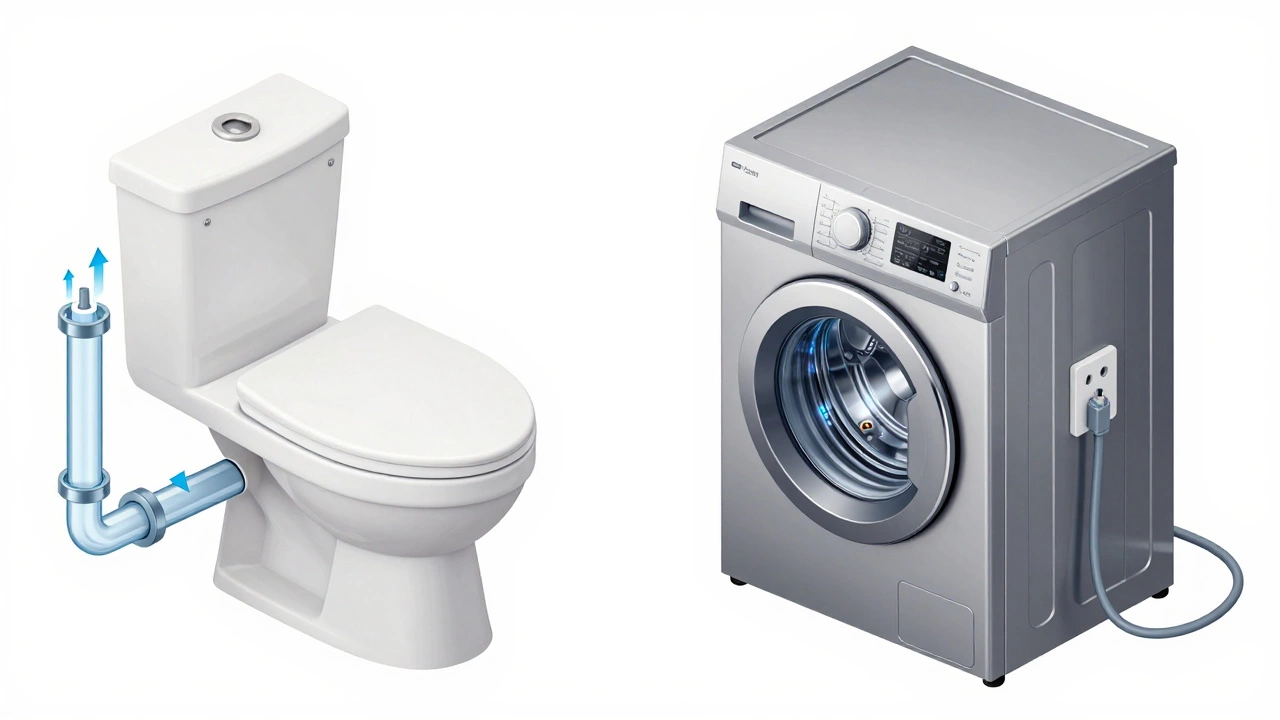
To understand why toilets don't qualify as appliances, you need to know what actually makes something an appliance is a household device that performs a specific function using energy sources like electricity, gas, or water pressure. Also known as household appliance, these devices include things like refrigerators, washing machines, and dishwashers.
- Energy requirement: Appliances must consume power-electricity, gas, or sometimes mechanical energy
- Mechanical function: They contain moving parts or perform active work (like heating, cooling, or cleaning)
- Dedicated purpose: Each has one primary job (washing dishes, drying clothes, cooking food)
- Installation standards: They require professional setup following manufacturer specs and safety codes
A standard kitchen oven fits all these boxes-it uses gas or electricity, heats up mechanically, cooks food specifically, and requires certified installation. The same goes for dishwashers, which use hot water, detergent, and mechanical action to clean dishes automatically.
Why Toilets Don't Fit the Appliance Definition
Toilets are plumbing fixtures designed to collect and remove human waste through a gravity-fed drainage system. While some premium models use electricity for features like heated seats, bidet functions, or automated lids, the core toilet function relies entirely on gravity and water flow.
- No energy consumption: Basic toilets don't use electricity or gas for their primary waste removal function
- Gravity-based operation: Waste travels down pipes through natural drainage forces
- Static design: Most parts remain stationary during regular use (unlike motors in washers or fans in dryers)
- Plumbing system component: They're part of the building's sanitary infrastructure, not standalone devices
The distinction becomes clearer when you compare a toilet to a water heater that converts cold incoming water to usable hot temperatures using electrical elements or gas burners. Water heaters actively transform energy; toilets simply direct flow.
When Does the Distinction Matter?
Insurance Coverage Questions
This is probably why you're asking. Many homeowner's insurance policies cover damage to personal property including appliances against fire, theft, vandalism, and certain accidental damage. Your policy might exclude "plumbing fixtures" while covering "appliances" separately.
If your dishwasher stops working due to a manufacturing defect, the insurer might cover it under appliance protection. If your toilet clogs or develops cracks, that typically falls under general home maintenance or a plumber's responsibility, not appliance warranty territory.
Building Permits and Regulations
Cities have different rules for installing various home systems. Installing a new washing machine usually doesn't need permits. Installing a toilet absolutely does because it connects to your home's sewage system.
In California, for example, you need a plumbing permit for toilet installations, while appliance hookups (dryer vents, range wiring) follow electrical requirements. Getting the classification wrong could lead to fines or forced removal.
Rental Agreement Restrictions
Those rental contracts prohibiting "major appliances" without landlord approval often create confusion. Technically, replacing an aging toilet would be covered under normal maintenance by the landlord. Installing a toilet yourself violates plumbing codes regardless of appliance restrictions.
Repair Service Categories
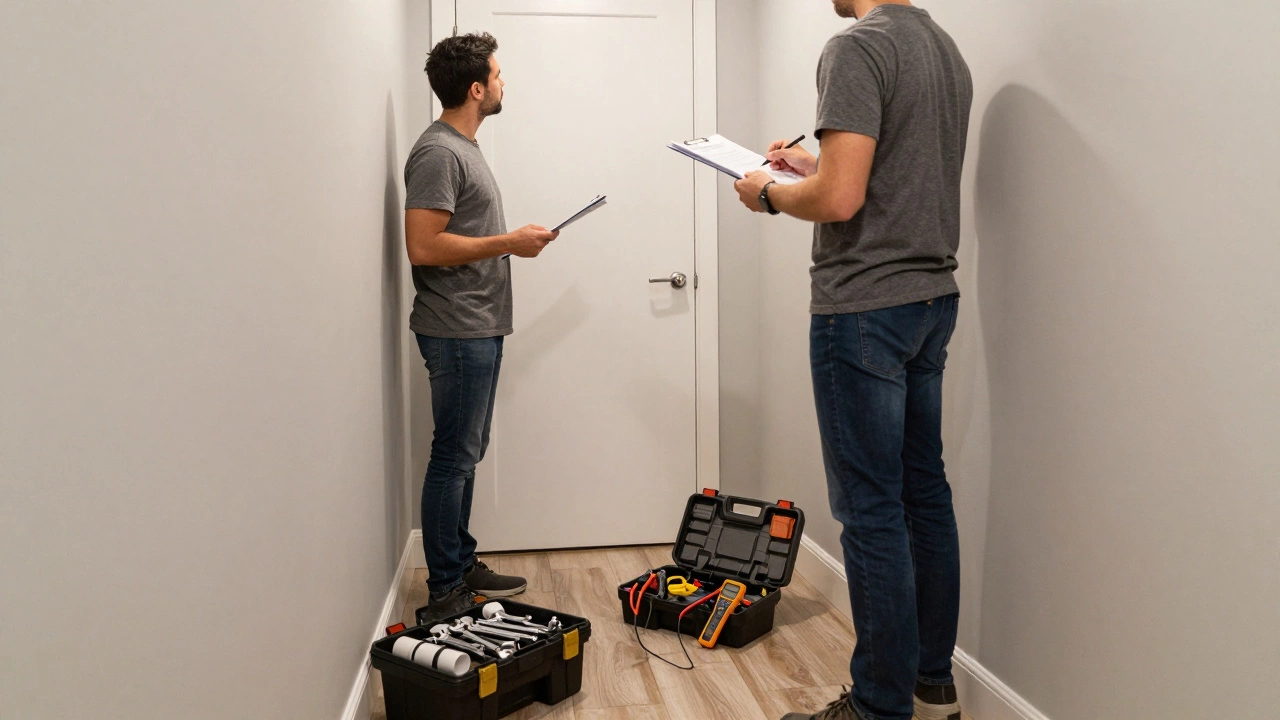
When you call for help, technicians specialize differently. Appliance repair technicians handle diagnosing and fixing malfunctions in home electrical and gas-powered devices. They know refrigerator compressors but not wax ring seals. Plumbers fix toilets, not microwave ovens.
What Actually Counts as a Household Appliance?
| Item Type | |
|---|---|
| Device Name | Primary Energy Source |
| Dishwasher | Electric + Hot Water |
| Washing Machine | Electric + Water Supply |
| Refrigerator | Electricity |
| Oven/Range | Gas or Electric |
| Microwave | Electricity |
| Tumble Dryer | Electricity or Gas |
| Garbage Disposal | Electricity + Water |
The pattern is clear-each consumes energy to perform work. Some connect to plumbing lines, but they still require power to operate their core functions. A garbage disposal runs its grind motor electrically even though water helps flush debris.
Smart Toilets: The Edge Case Debate
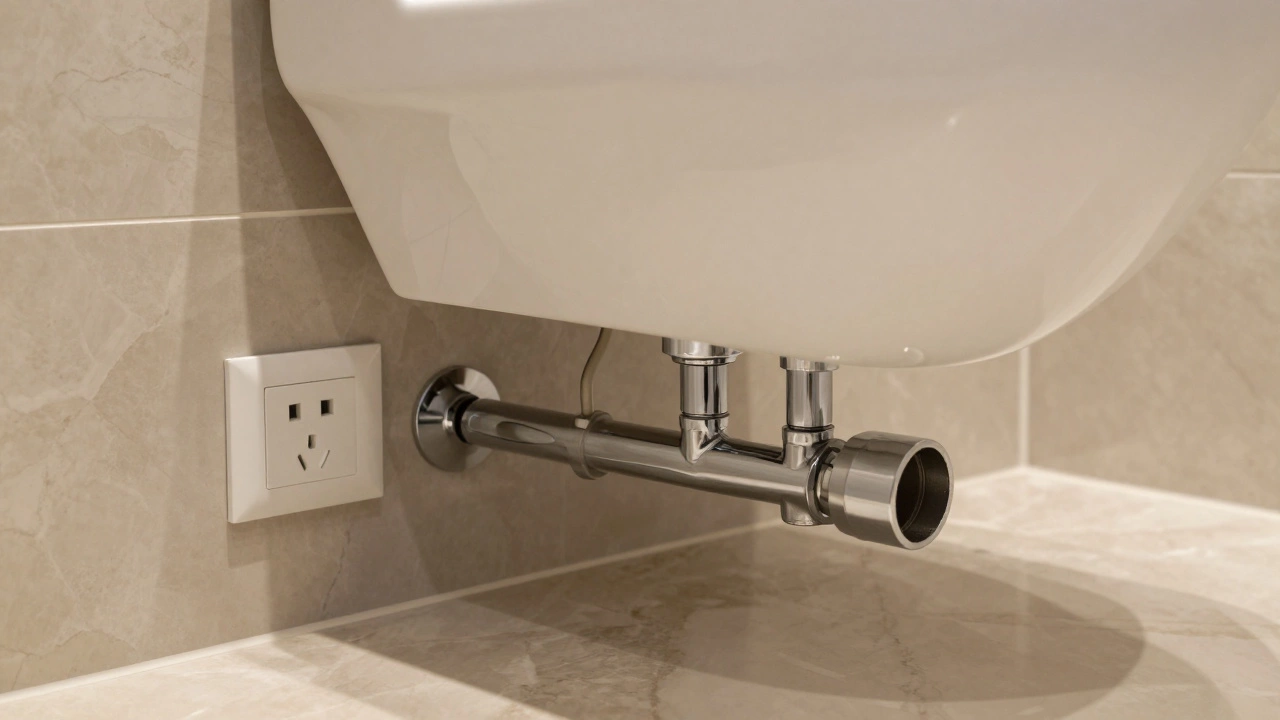
Here's where things get interesting. Modern smart toilets with built-in bidets, temperature control, automatic lids, deodorizers, and self-cleaning features now plug into your electrical outlet.
Do these become appliances? Legally, probably still no-the core function remains sanitation through plumbing. Functionally, manufacturers sometimes market them alongside luxury appliances because they require professional installation involving both plumbing AND electrical connections.
Your insurance company will likely still treat them as fixtures since plumbing failure poses flood risks that differ from typical appliance failures. Electric shock hazards exist too, but those relate to faulty wiring rather than malfunctioning mechanical parts.
Practical Implications for Homeowners
Budget Planning
Treat toilet purchases as home improvement investments, not appliance replacements. They last 20-30 years versus 7-15 years for most appliances. Factor this into long-term renovation timelines instead of expecting frequent replacement cycles.
Maintenance Responsibilities
Know who fixes what:
- Appliances: Contact specialized repair services, check warranty coverage, expect technician visits for diagnostics
- Toilets/plumbing fixtures: Call licensed plumbers for leaks or blockages, handle routine maintenance yourself, replace worn components proactively
Renters Insurance Considerations
If you're renting and concerned about liability, renters' insurance covers your personal belongings but not structural fixtures. You're responsible for damage caused by your actions, regardless of appliance classification. That overflowing toilet during a party affects your coverage status, not whether the toilet qualifies as an appliance.
Industry Perspectives
The Association of Home Appliance Manufacturers (AHAM) defines appliances as devices performing household functions through mechanical or electrical means. Their scope includes major white goods (refrigerators, washers, dryers) and small kitchen gadgets. Plumbing fixtures fall under separate trade organizations like ASPE (American Society of Plumbing Engineers).
Professional certification bodies reinforce this separation. The National Appliance Repairs Training Institute trains technicians on electronic controls, circuit boards, and mechanical systems-not drain line configurations or wax seal installation.
FAQ
Does a toilet count as an appliance for tax purposes?
No, toilets don't qualify as business assets under appliance categories. For home office deductions, they're considered structural improvements subject to depreciation schedules for residential property, not equipment expensing like office appliances.
Can I claim my toilet under appliance warranty programs?
Standard warranty packages exclude plumbing fixtures unless you purchase specialized home warranty plans. Those plans cover plumbing repairs separately from appliance protection. Read contract language carefully before assuming coverage.
Are bidet attachments considered appliances?
Non-electric bidet seats attach to existing toilets and remain fixtures. Electric bidet units with warming seats, jets, and air dryers approach appliance territory but typically classify as specialized toilet accessories rather than standalone appliances for insurance and permitting.
Why do real estate listings distinguish between appliances and fixtures?
Fixtures permanently attached to structures transfer with property sales. Appliances may belong to sellers as personal property unless explicitly included in listing agreements. Clarifying prevents post-sale disputes over what stays or goes.
How do I determine if my toilet needs an appliance technician or plumber?
Contact plumbers for any toilet issues-water supply problems, running toilets, clogged drains, loose bolts, cracked porcelain. Smart toilets with electrical features needing electronics troubleshooting might initially contact manufacturer support, but physical repairs still require licensed plumbing professionals.
Do energy-efficient toilets receive appliance rebates?
Utility companies offer separate rebate programs for water-conserving fixtures. Look for WaterSense-labeled toilets earning rebates of $50-$150. These exist apart from energy-star appliance incentive programs designed for electrical/gas equipment.
Will my mortgage affect toilet financing?
Mortgage loans finance structural improvements including plumbing updates. Personal property loans might cover appliances separately. Since toilets constitute permanent fixtures, renovation loans or home equity options provide better financing terms than appliance credit products.
What documentation proves proper toilet installation for resale?
Keep original building permits, contractor invoices, and inspection reports showing compliant installation. Municipal records confirm code compliance. Unlike appliance receipts, plumbing permits demonstrate legally approved work affecting property value and disclosure requirements.
Should I list toilets as appliances when selling my home?
List them as fixtures included in the property sale. Standard practice treats bathrooms complete with toilets as integral parts of living space. Explicitly state in purchase agreements to prevent buyer expectations or confusion during walkthroughs.
Does insurance cover water damage from toilet overflows?
Most standard homeowner policies cover sudden accidents like burst supply lines or overflow incidents. Neglect-related damage from gradual deterioration gets excluded. Understand your policy's distinction between sudden events requiring immediate response versus ongoing maintenance obligations.
Quick Reference Checklist
Before making decisions around toilet installation or repair, ask yourself these questions:
- Am I dealing with insurance coverage → Check policy language for "fixtures" vs "appliances"
- Do I need permits → Contact local building department for plumbing requirements
- Who should I call → Plumber for toilets, appliance technician for other equipment
- Am I budgeting correctly → Plan for fixture longevity (20+ years) vs appliance cycles (7-15 years)
- Do I own or rent → Landlords handle fixture maintenance, tenants cover damage