

Is a Broken Boiler an Emergency? What You Need to Know in Toronto
 Feb, 12 2026
Boiler Emergency Risk Calculator
Enter Your Situation
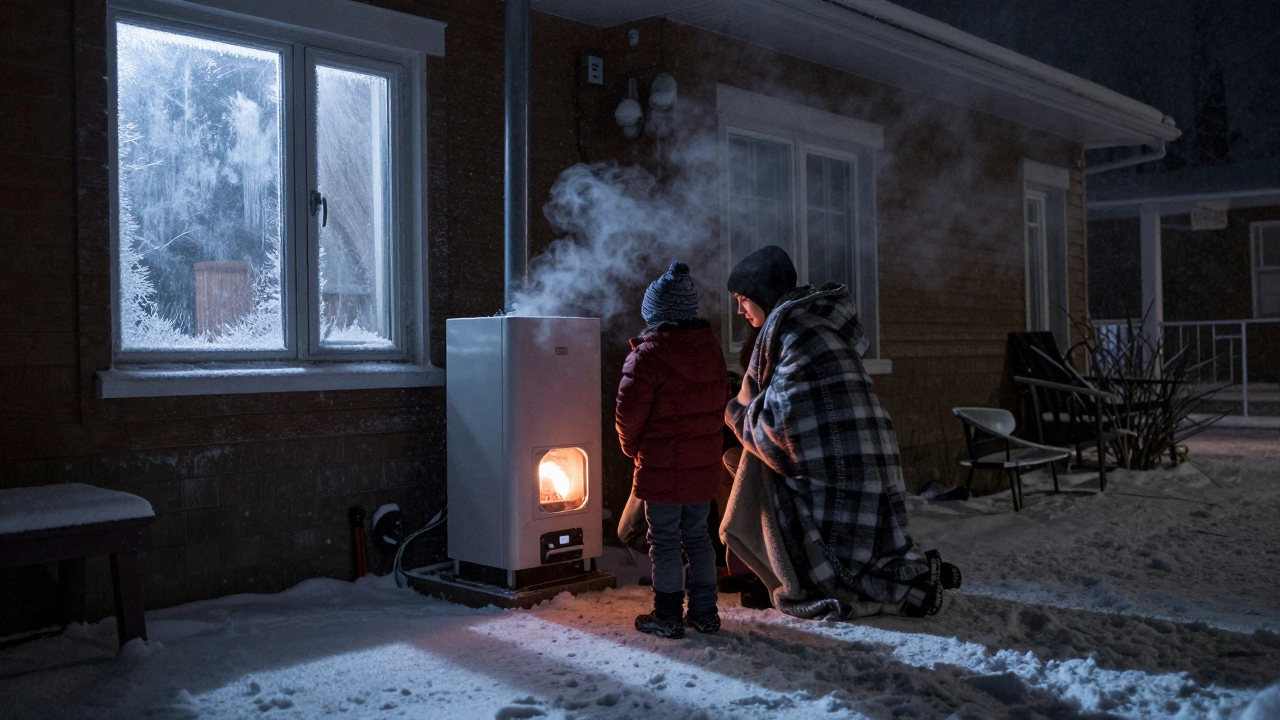
When your boiler stops working in the middle of a Toronto winter, it’s not just inconvenient-it can be dangerous. Temperatures regularly drop below -15°C, and in extreme cold snaps, they hit -30°C. If your boiler breaks down, your home loses heat fast. Pipes can freeze and burst. Health risks rise, especially for kids, seniors, and people with chronic illnesses. So yes, a broken boiler is often an emergency-and you need to act fast.
Why a Broken Boiler Becomes an Emergency
Boilers don’t just heat water for showers and dishes. In most Toronto homes, they’re the heart of the entire heating system. When they fail, the whole house cools down. In 2024, Toronto recorded over 30 days with average temperatures below -10°C. That’s not unusual. Without heat, indoor air temperature can fall to freezing within hours, especially in older homes with poor insulation.
Freezing pipes are the biggest immediate threat. A single burst pipe can flood your home with over 1,000 litres of water. The average insurance claim for water damage in Ontario is $32,000. That’s not a cost you want to face because you waited a day to call for help.
There’s also the health angle. Cold homes increase the risk of hypothermia, especially for people over 65 or those with heart or respiratory conditions. A 2023 study by Public Health Ontario found that emergency room visits for cold-related illnesses spiked by 40% during winter boiler outages. If you have infants, elderly family members, or anyone with mobility issues, a broken boiler isn’t just a repair-it’s a safety issue.
When It’s Definitely an Emergency
Not every boiler problem is an emergency. But some signs mean you need to act right away:
- Your home is dropping below 10°C and staying there for more than 2 hours
- You smell gas or hear hissing near the boiler
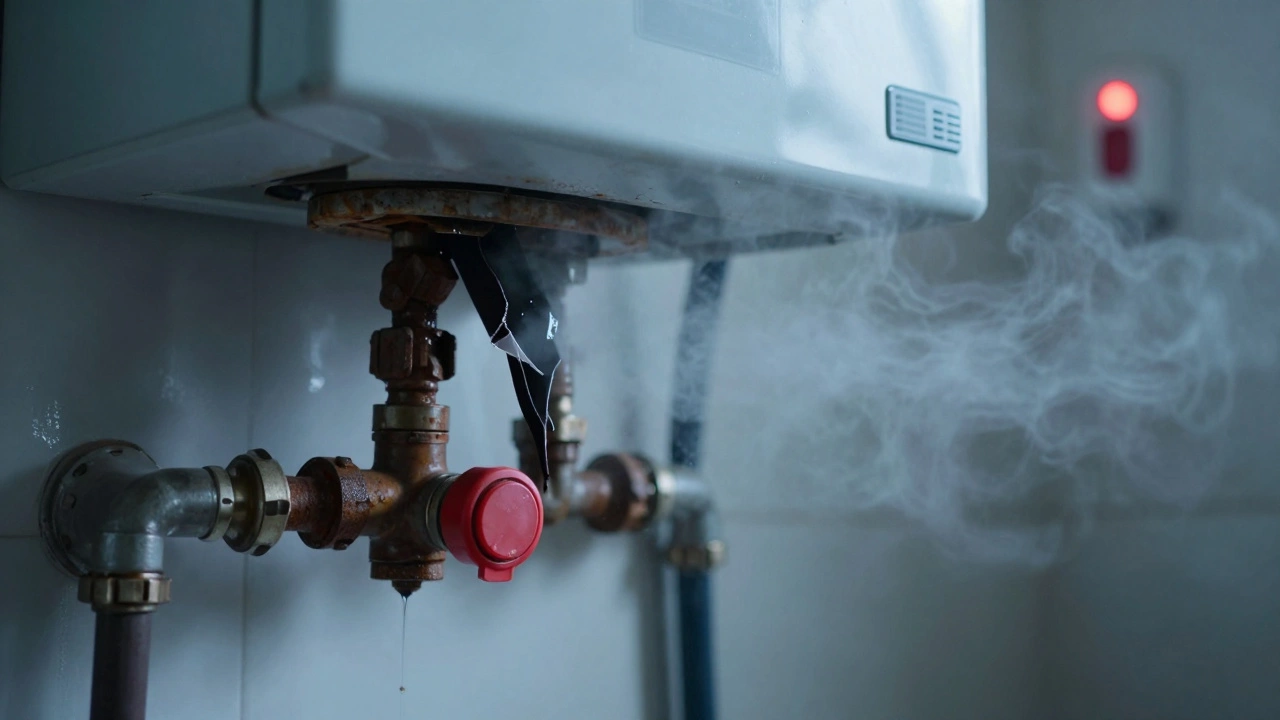
- The boiler is leaking water and you see rust or corrosion on the pipes
- You notice soot or black residue around the boiler unit
- The boiler display shows an error code like E1, F2, or L2 (common on Vaillant, Worcester, or Baxi units)
Gas leaks are the most urgent. Natural gas is odorless, but suppliers add a sulfur smell-like rotten eggs-to warn you. If you smell it, turn off the gas valve (usually a lever near the boiler), open windows, leave the house, and call 911. Do not turn lights on or off. A spark can ignite the gas.
Water leaks aren’t always emergencies, but if the boiler is leaking from the pressure valve or heat exchanger, it could mean internal damage. These leaks often mean the unit is beyond simple repair and needs replacement. Ignoring them leads to mold, structural rot, and higher repair costs down the road.
When It’s Not an Emergency (But Still Needs Attention)
Some boiler issues are annoying, not dangerous. You might have:
- No hot water but the radiators are still warm
- Strange noises like banging or gurgling
- Low pressure on the gauge (below 1 bar)
- Thermostat not responding
In these cases, you can usually wait until business hours to call a technician. Low pressure? You can repressurize the system yourself using the filling loop (check your manual). No hot water? The issue might be a faulty pump or diverter valve-annoying, but not life-threatening.
However, don’t delay too long. A boiler that’s been running with low pressure for weeks can overheat and crack the heat exchanger. That’s a $1,500+ repair. Catching it early saves money.
What to Do Right Now
If you suspect an emergency, here’s what to do in order:
- Turn off the boiler at the main power switch. Most units have a red button or switch on the side.
- If you smell gas, turn off the gas valve (turn it 90 degrees until it’s perpendicular to the pipe).
- Open windows to ventilate the area.
- Call a 24/7 emergency boiler repair service. In Toronto, companies like ThermoCare and Heatline Solutions offer same-night service.
- Use space heaters or blankets to stay warm while you wait. Never use a gas stove or grill to heat your home-that’s a leading cause of carbon monoxide poisoning in winter.
Keep a list of emergency contacts in your kitchen or near the boiler. Include the number for your local gas provider (Enbridge at 1-800-600-6633) and your boiler repair service. Don’t wait until you’re cold to look them up.
Preventing Boiler Emergencies
The best way to avoid an emergency is to prevent one. Most boiler failures happen because of neglect. Here’s what you should do every year:
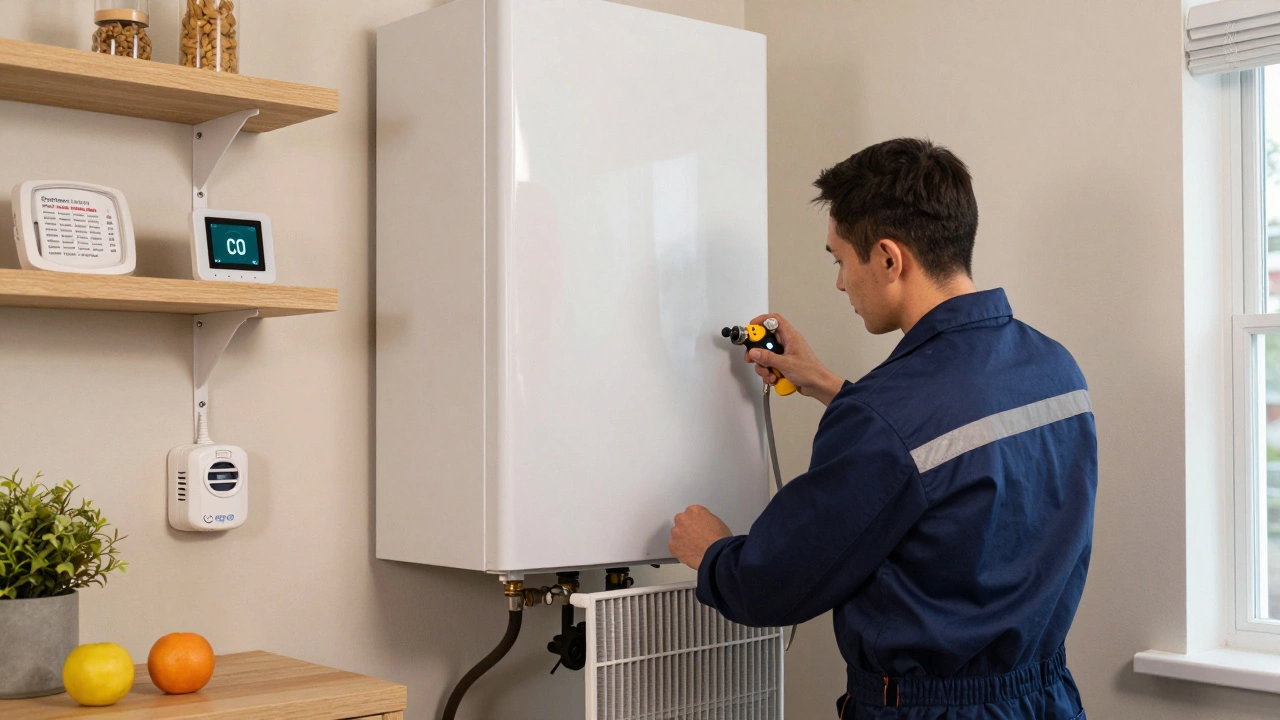
- Get a professional service in early fall-before the cold hits. A certified technician will check the heat exchanger, flue, gas pressure, and safety valves.
- Replace the air filter every 3 months. A clogged filter makes the boiler work harder and overheat.
- Check the pressure gauge monthly. It should read between 1 and 1.5 bar. If it’s consistently low, there’s a leak.
- Install a carbon monoxide detector near the boiler. Ontario law requires it in all homes with gas appliances. Test it monthly.
- Keep the area around the boiler clear. Don’t store boxes, cleaning supplies, or flammable items within 1 meter.
Boilers last 10 to 15 years. If yours is older than 12, consider replacement. New condensing boilers are 30% more efficient and come with smart controls that alert you to problems before they become emergencies.
Costs and Insurance
Emergency boiler repairs in Toronto usually cost between $400 and $900, depending on the issue. Simple fixes like resetting the system or replacing a pump are on the lower end. Replacing a cracked heat exchanger can cost $1,800 or more. If your boiler is over 10 years old, replacement is often cheaper than repair.
Home insurance usually covers water damage from burst pipes caused by heating failure-but not the cost of fixing the boiler itself. Some extended warranty plans include emergency boiler service. Check your policy. If you don’t have one, consider a service plan. Many companies offer $199/year plans that include 24/7 emergency calls and priority service.
What Not to Do
When your boiler breaks, panic leads to bad decisions. Don’t:
- Try to fix it yourself unless you’re a licensed technician. Tampering with gas lines or electrical components is illegal and dangerous.
- Use portable heaters with extension cords. Overloaded circuits cause fires.
- Ignore strange smells or sounds. That clicking or whistling? It’s not normal.
- Wait until morning if it’s below -20°C and your home is freezing. Don’t gamble with your family’s safety.
Emergency services exist because real people get hurt when they delay. Don’t be one of them.
Is a broken boiler an emergency in Toronto?
Yes, especially in winter. Toronto’s cold snaps can drop below -20°C. Without heat, pipes freeze, health risks rise, and homes become unsafe. If your home is losing heat fast, you smell gas, or the boiler is leaking water, treat it as an emergency and call a technician immediately.
Can I wait until morning to fix a broken boiler?
Only if the temperature inside your home is still above 15°C and you don’t smell gas or see water leaks. If it’s below 10°C, especially overnight, don’t wait. Use blankets, close off unused rooms, and call an emergency repair service. Many Toronto companies offer 24/7 service with response times under 2 hours.
What should I do if I smell gas near my boiler?
Turn off the gas valve immediately. Open windows. Leave the house. Do not use phones, lights, or switches inside. Call 911 from outside. Then call Enbridge at 1-800-600-6633. Gas leaks can explode. Never ignore this smell.
How often should I service my boiler?
Once a year, ideally in late summer or early fall. A professional service checks the heat exchanger, gas pressure, flue, and safety valves. Skipping service is the #1 reason boilers fail in winter. Many repair companies offer discounted annual plans.
Does home insurance cover boiler repair?
Usually not. Insurance covers water damage from burst pipes caused by boiler failure, but not the cost to fix or replace the boiler itself. Some extended warranties or service plans do cover repairs. Check your policy or consider a boiler maintenance plan for peace of mind.