

How to Tell If Your Heat Pump Needs Replacing: Signs & Costs
 Apr, 27 2026
Heat Pump Replacement Analyzer
Diagnostic ToolSystem Status
Enter your system details and click analyze to see if you should Repair or Replace.
Quick Takeaways: When to Swap Your Unit
- Age: If your system is over 15 years old, efficiency drops significantly.
- Cost: If repairs cost more than 50% of a new unit, it's time to upgrade.
- Performance: Frequent cycling or unable to reach set temperatures are red flags.
- Energy Bills: Unexplained spikes in electricity bills often signal a dying compressor.
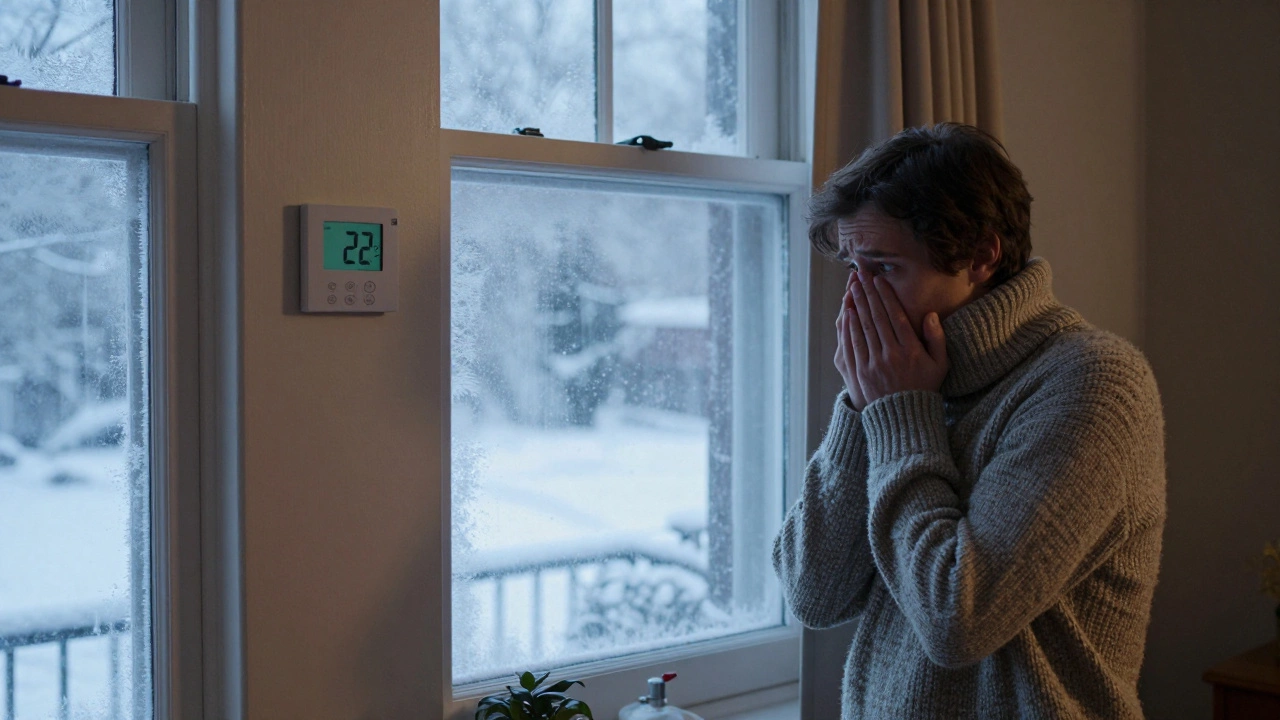
You wake up on a freezing Tuesday morning, and despite the thermostat being set to 22°C, your living room feels like a walk-in freezer. You hear the outdoor unit humming, but the air coming through the vents is lukewarm at best. This is the moment most homeowners start wondering: is this a quick fix, or is my system finally giving up?
Deciding whether to patch up an old unit or drop several thousand dollars on a new one isn't always obvious. You don't want to waste money on a dying machine, but you also don't want to replace a perfectly good system just because a single capacitor blew. The truth is, heat pumps don't usually fail all at once; they send you a series of warning signs over a few seasons.
The Red Flags of System Failure
The first thing to look for isn't actually a sound, but a feeling. If you notice "cold spots" in your home or if the system takes hours longer than usual to warm up a room, you're dealing with a loss of efficiency. When heat pump replacement is necessary, it's often because the internal components can no longer move heat effectively from the outside air into your home. This is common in older units where the refrigerant has leaked or the coils are permanently fouled.
Then there are the sounds. A healthy system hums. A dying system screams, rattles, or bangs. If you hear a loud grinding noise coming from the outdoor unit, you're likely looking at a failing Compressor. The compressor is the heart of the system; if it goes, the repair cost often rivals the price of a new unit. On the other hand, a whistling sound might just be a refrigerant leak, which is fixable but indicates the system is aging.
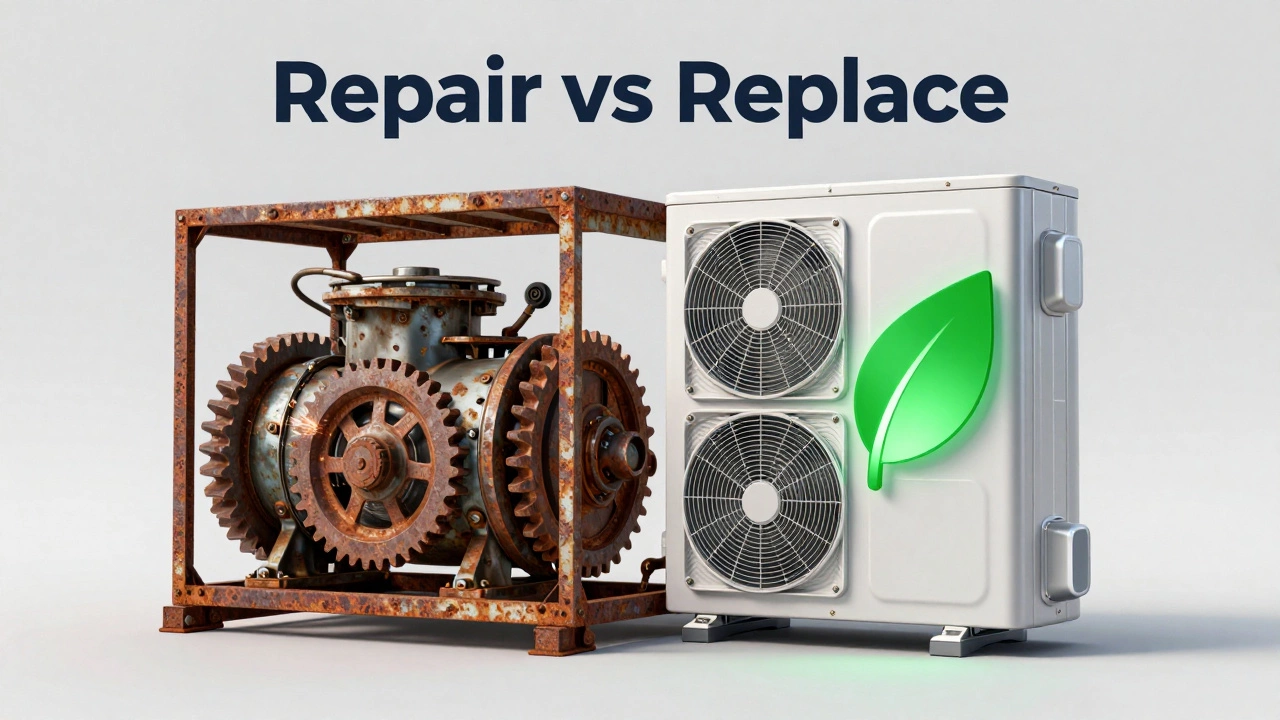
The "Repair vs. Replace" Math
How do you actually decide? Professionals often use the "50% Rule." If a single repair costs more than 50% of what a new, energy-efficient system would cost, stop spending money on the old one. For example, if a new unit costs $6,000 and your compressor repair is quoted at $3,500, you're throwing money into a sinking ship.
You also have to consider the SEER Rating (Seasonal Energy Efficiency Ratio). A unit from 2010 might have a SEER of 10 or 12. Modern Air Source Heat Pumps often hit 18 to 22. This means a new system could slash your monthly electric bill by 20-40% immediately. When you factor in the energy savings, the new unit practically pays for itself over five years.
| Factor | Repairing Old Unit | Installing New Unit |
|---|---|---|
| Upfront Cost | Low to Medium | High |
| Energy Bills | Stay high or increase | Significant decrease |
| Warranty | Limited to specific part | Full 10-year manufacturer warranty |
| Reliability | Risk of other parts failing soon | High reliability for 10-15 years |
Age and the Lifespan Reality
Most residential heat pumps are designed to last between 12 and 15 years. If yours is hitting the 15-year mark, you're essentially living on borrowed time. While some high-end brands might last 20 years with perfect maintenance, the technology evolves too quickly to make it worth it. A 15-year-old unit uses old-school refrigerants like R-22, which is now phased out and incredibly expensive to refill.
If your technician tells you that you need a "recharge" for an R-22 system, take that as a sign to start shopping. The cost of the gas alone is inflated because it's no longer produced. Switching to a modern system using R-410A or newer low-GWP (Global Warming Potential) refrigerants is the only logical move for your wallet.
When Your Home Starts Behaving Weirdly
Watch out for "short cycling." This is when your system turns on and off every few minutes. It's a killer for your electricity bill and puts massive strain on the Electric Motor. This often happens because the system is oversized for the home or the sensors are failing. While a technician can sometimes calibrate this, if the internal circuitry is fried, you're looking at a full replacement.
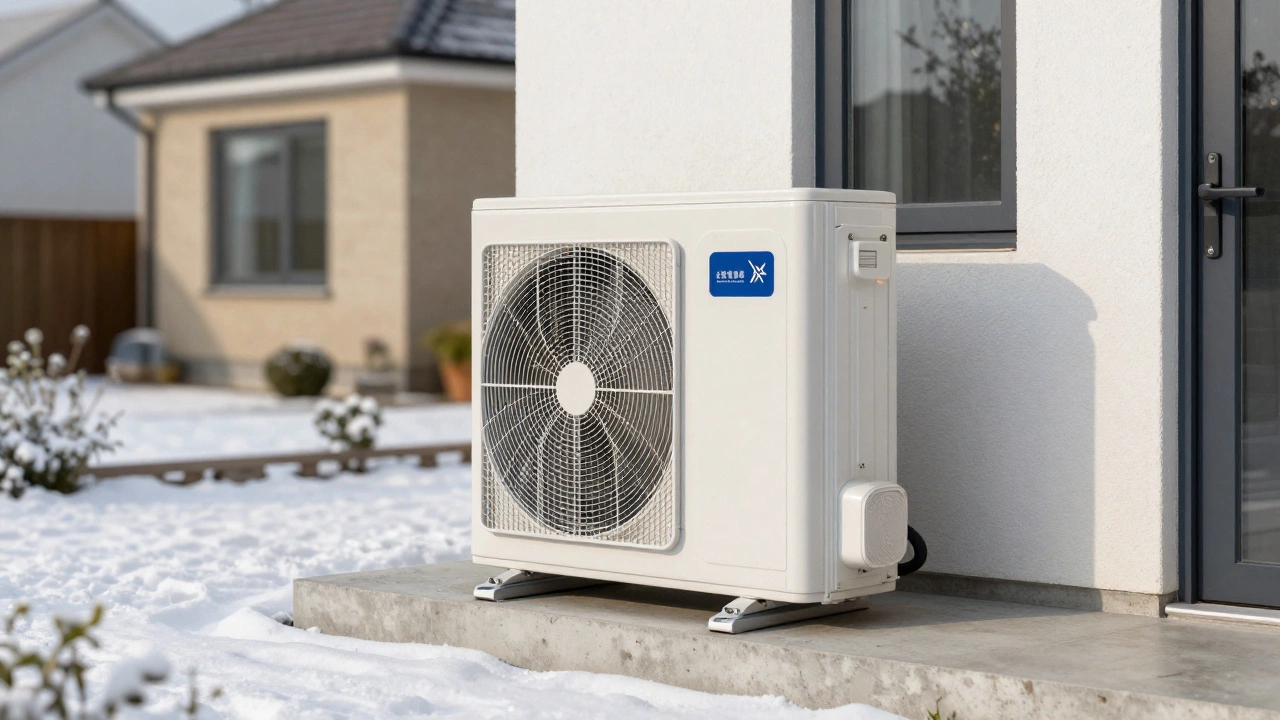
Another telltale sign is the "frozen coil." If you walk outside in the middle of winter and see your outdoor unit encased in a mountain of ice, your Defrost Cycle has failed. A small failure here is a cheap fix. A total failure of the defrost board combined with a leaking coil usually means the unit's structural integrity is gone.
Evaluating Your Options
If you've decided to replace, don't just buy the same model you had. The market has changed. You can now get Variable Speed Compressors. Unlike old units that are either "100% on" or "off," variable speed units adjust their output. It's like the difference between a light switch and a dimmer; it keeps your home temperature much more stable and is whisper-quiet.
You should also check for local rebates. Many governments and utility companies offer massive incentives for switching from oil or gas to electric heat pumps to hit carbon goals. These rebates can sometimes cover 25-50% of the installation cost, making the "replace" option significantly cheaper than you'd expect.
Can I just replace the outdoor unit and keep the indoor air handler?
Generally, no. This is called "mismatched equipment." The outdoor unit and the indoor air handler are designed to work as a matched set. If you put a high-efficiency 2026 outdoor unit with a 2010 indoor coil, you will lose most of the efficiency gains and may even void the manufacturer's warranty.
How much does a typical heat pump replacement cost?
Depending on the size of your home and the efficiency level, a full replacement usually ranges from $4,000 to $12,000. This includes the unit, labor, and removal of the old system. Costs vary based on whether you need new ductwork or a simple swap-out.
Why is my heat pump making a clicking sound but not starting?
A clicking sound usually indicates a failing start capacitor or a faulty contactor. These are relatively cheap parts to replace. However, if the clicking is followed by a loud hum and then a trip to the circuit breaker, your compressor may have shorted out, which usually means it's time for a new system.
Does a heat pump work in extremely cold winters?
Modern "Cold Climate" heat pumps can now efficiently heat homes even when outside temperatures drop to -15°C or -25°C. If you live in a place like Canada and your old unit stops working at -5°C, upgrading to a cold-climate model will change your life.
How often should I service my heat pump to avoid sudden failure?
Twice a year. You should have a tune-up in the spring before the cooling season and in the fall before the heating season. This ensures refrigerant levels are correct and the coils are clean, which can extend the life of your unit by 3-5 years.