

How to Tell If You Need a New Hot Water Heater
 Jan, 5 2026
Water Heater Health Check
Check Your Water Heater
Select all signs that apply to your water heater. Based on your selections, we'll recommend if it's time for replacement.
If your hot water suddenly turns cold in the middle of a shower, or you notice rust-colored water coming out of the tap, you’re not imagining things. Something’s wrong with your water heater. But is it a simple fix-or do you need a full replacement? In Toronto, where winters are harsh and hot water is non-negotiable, waiting too long can mean a flooded basement, a frozen pipe, or a week without showers. Here’s how to know for sure when it’s time to replace your hot water heater.
It’s Over 10 Years Old
Most tank-style water heaters last between 8 and 12 years. If yours is 10 or older, you’re in the danger zone. Even if it’s still working, efficiency drops sharply after a decade. A 12-year-old unit uses 30-50% more energy than a new one to heat the same amount of water. That’s hundreds of dollars extra on your utility bill every year. Tankless heaters last longer-up to 20 years-but if you’ve got a traditional tank and it’s pushing past 10, replacement is smarter than repair.
You’re Hearing Strange Noises
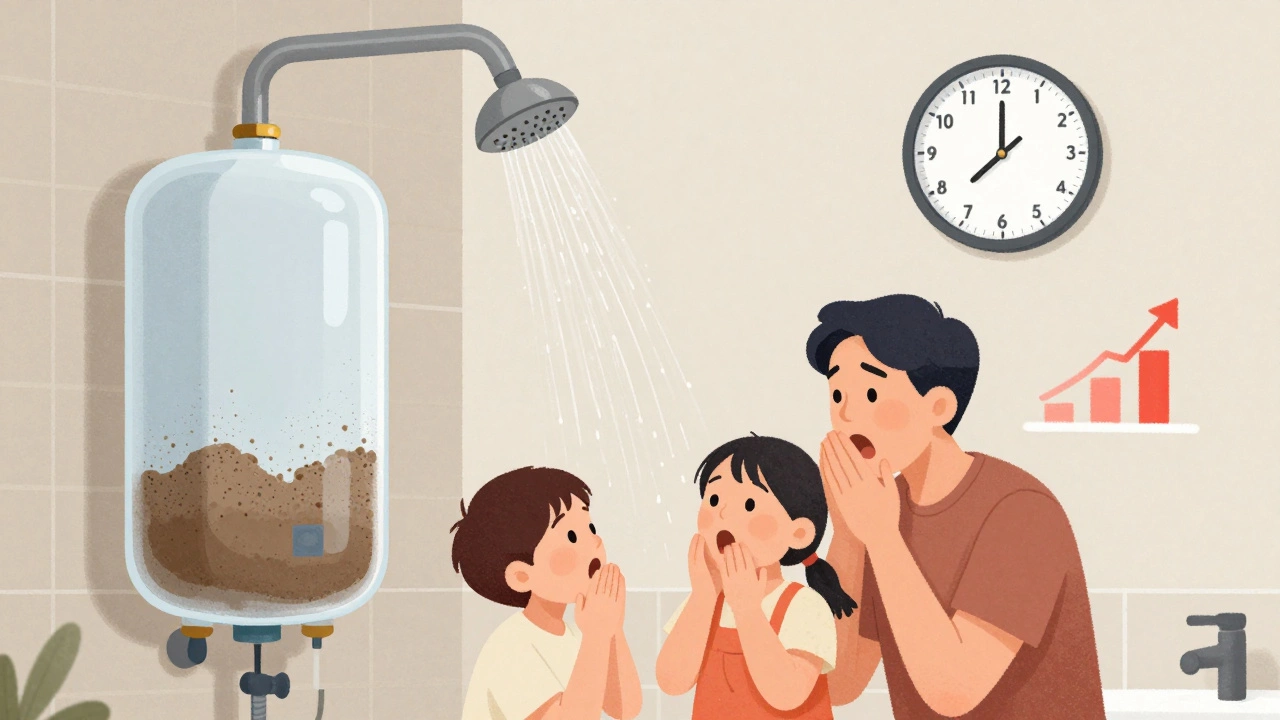
That rumbling, popping, or banging sound coming from your water heater? It’s not your imagination. It’s sediment-minerals like calcium and magnesium-that’s settled at the bottom of the tank. Over time, this layer traps water, which then boils and creates loud noises. It’s not just annoying-it’s damaging. The sediment insulates the heating element, forcing it to work harder and burn out faster. Flushing the tank can help if the unit is under 8 years old. But if you’re hearing constant banging and your heater is older, it’s a sign the tank’s internal components are wearing out.
Water Is Discolored or Smells Bad
Yellow, brown, or rusty water coming from your hot tap is a red flag. It usually means the inside of the tank is corroding. The anode rod, which protects the tank from rust, has likely worn out. If you’ve flushed the tank and replaced the rod, but the water still looks dirty, the tank itself is probably rusting through. A rotten egg smell? That’s sulfur bacteria feeding on the anode rod. It’s not dangerous, but it’s a sign your system is breaking down. Neither issue fixes itself-and neither gets better with age.
There’s Water Around the Base
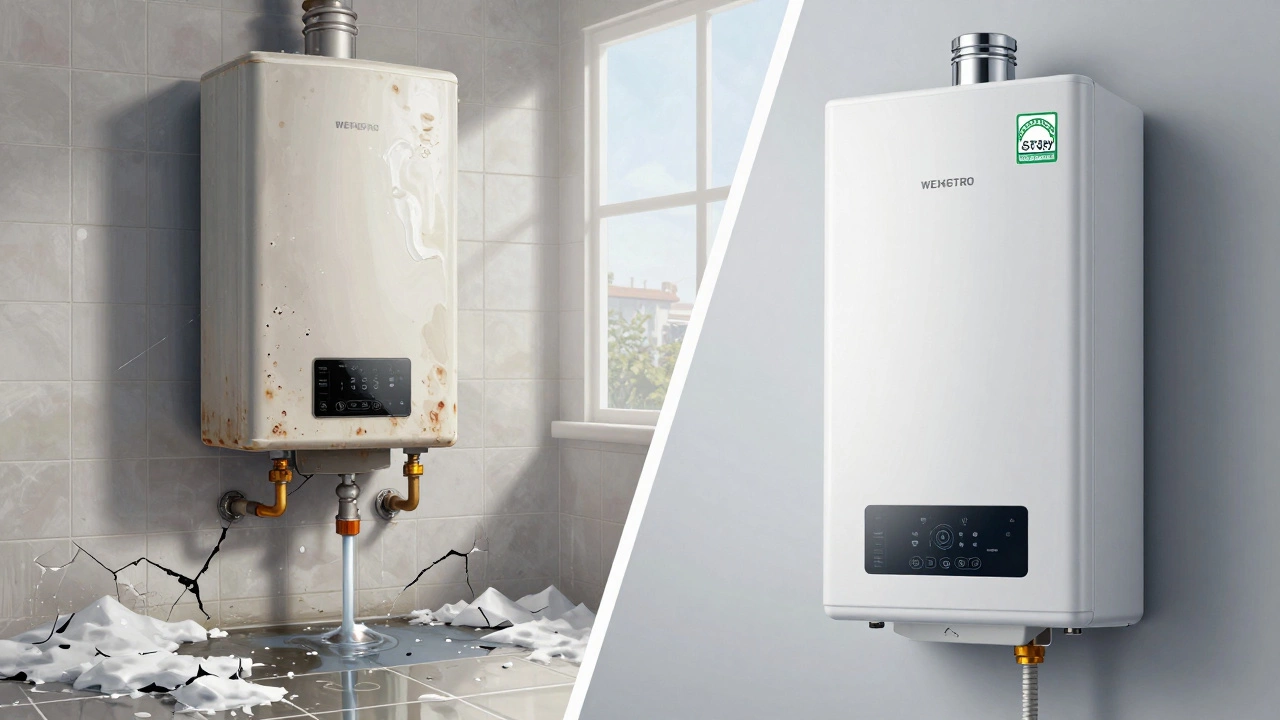
Spotting puddles under your water heater? Don’t assume it’s a loose pipe. Check the connections first-if they’re dry, the leak is coming from the tank. A small drip might seem minor, but it’s often the first sign of a failing tank. Once the metal corrodes enough to leak, it won’t stop. Patching it won’t work. Even if you catch it early, the damage is already done. Replacing the tank is the only long-term solution.
Your Water Never Gets Hot Enough
If your shower is lukewarm even when you turn the dial all the way up, your heater isn’t keeping up. This could be a thermostat issue, a broken heating element, or a failing gas valve. But if you’ve checked those parts and they’re working fine, the problem is likely the tank’s capacity. A 40-gallon tank might’ve been enough for a family of three five years ago. Now with teens, guests, or a new laundry routine, it’s too small. Or worse-the tank’s insulation has degraded, and heat escapes faster than it’s produced. A new, properly sized unit will give you consistent hot water without cycling on and off constantly.
High Energy Bills Without Reason
Did your gas or electric bill spike last month? No new appliances, no extra guests, no change in usage. That’s a clue. Older water heaters lose efficiency fast. A 15-year-old unit might be using twice as much energy as a modern Energy Star-rated model. You can test this: compare your current bill to the same month last year. If it’s up more than 15% and your usage hasn’t changed, your heater is the culprit. Replacing it with a high-efficiency model can cut your water heating costs by 30-50%-and pay for itself in under five years.
It Takes Too Long to Heat Up
Remember when you’d flip the shower on and wait 2 minutes for hot water? Now it’s 8 minutes. That’s not a plumbing issue-it’s a heater issue. The heating element is struggling. The thermostat is failing. Or the tank’s insulation is shot. If you’ve lived with slow recovery for more than a few months, it’s not going to get better. Newer models heat faster and recover quicker. A 50-gallon tank with dual heating elements can refill and reheat in under an hour. Your old one might take three.
Repair Costs More Than 50% of a New Unit
Let’s say your water heater’s thermostat is dead. A repair technician quotes you $450 to replace it. Sounds reasonable-until you find out a new 50-gallon tank with installation costs $1,200. At that point, you’re spending nearly 40% of the replacement cost on a temporary fix. Rule of thumb: if the repair is more than half the price of a new unit, walk away. Especially if your heater is over 8 years old. Paying $600 to keep a 12-year-old heater running for another year is like putting new tires on a car with a rusted frame. You’re throwing money away.
What to Do Next
If you’ve checked off two or more of these signs, it’s time to start looking at replacements. Don’t wait until it fails completely. A sudden leak in winter can flood your basement, ruin drywall, and destroy flooring. In Toronto, water damage claims average over $15,000. Replacing your heater before it fails is cheaper, safer, and smarter.
Start by measuring the space. Standard tanks are 20-80 gallons. Most homes use 40-50 gallons. Check the height and width-some new models are slimmer or taller. Then decide: tank or tankless? Tankless saves space and energy but costs more upfront. Tank models are cheaper and easier to install. Look for Energy Star ratings and warranties. A 10-year warranty is standard now. Avoid the cheapest models-they use thinner steel and weaker anode rods.
Call a licensed plumber for a free quote. Most will inspect your system, check for corrosion, and give you a clear recommendation. Don’t buy online and install it yourself unless you’re experienced. Water heaters require gas or electrical connections, pressure relief valves, and proper venting. A bad install can be deadly.
What to Look for in a New Water Heater
- Size: 40-50 gallons for 2-4 people; 60-80 for larger families
- Type: Tank (affordable), tankless (energy-efficient), heat pump (lowest operating cost)
- Energy source: Electric (easiest to install), gas (faster recovery), heat pump (best for savings)
- Warranty: Minimum 10 years on the tank
- First-hour rating: Higher number = more hot water during peak use
Heat pump water heaters are becoming popular in Ontario. They use electricity to move heat from the air into the water, cutting energy use by 60%. They cost more upfront-around $2,000 installed-but qualify for provincial rebates up to $1,000. In Toronto, you can apply for the Home Energy Savings Program. It’s worth it if you use a lot of hot water.
Don’t Ignore the Signs
Water heaters don’t fail with a bang-they fail with a drip, a rumble, or a slow decline. By the time you notice, it’s often too late to avoid damage. If you’re unsure, ask yourself: Would I feel safe letting my family use this heater tomorrow? If the answer is no, it’s time to replace it. A new water heater isn’t just a convenience-it’s a safety system. Don’t gamble with it.
How long does a water heater usually last?
Most tank-style water heaters last between 8 and 12 years. Tankless models can last up to 20 years with proper maintenance. Age is the biggest factor-once your heater hits 10 years, even if it’s working, it’s nearing the end of its reliable life.
Can I fix a leaking water heater?
If the leak is from a valve, pipe, or fitting, yes-you can replace that part. But if water is leaking from the tank itself, the metal has corroded. No repair will stop it permanently. A leaking tank means it’s time for a replacement.
Should I replace my water heater before it breaks?
Yes, especially if it’s over 10 years old. Waiting for a failure can lead to flooding, especially in winter. Replacing it before it fails saves money on repairs, avoids water damage, and gives you time to choose the right model instead of being forced into an emergency purchase.
What’s the difference between electric and gas water heaters?
Electric heaters are easier to install and don’t need venting, but they heat water slower and cost more to run. Gas heaters heat water faster and are cheaper to operate, but they require a gas line and proper ventilation. In Toronto, gas is usually the more cost-effective choice for larger households.
Are tankless water heaters worth it?
They’re great if you want endless hot water and lower energy bills. But they cost 2-3 times more upfront and may need electrical or gas upgrades. They’re ideal for smaller homes or people who use hot water in short bursts. For large families, a high-capacity tank heater is often more practical.
How do I know what size water heater I need?
Look at your household size and usage. For 1-2 people: 30-40 gallons. For 3-4 people: 50 gallons. For 5+ people: 60-80 gallons. Also check the first-hour rating-the number of gallons the heater can deliver in the first hour after being fully heated. Higher is better for busy households.
What to Do If You’re Still Unsure
If you’re stuck between repair and replacement, call a licensed plumber for a $50-$100 inspection. They’ll check the anode rod, test the pressure, look for corrosion, and give you a written recommendation. Most won’t push you toward a sale-they’ll tell you if it’s worth fixing. In Toronto, many plumbing companies offer free diagnostics with no obligation. Use that. It’s the cheapest way to avoid a costly mistake.