

How to Fix a Freezer That Is Not Cooling: Step-by-Step Troubleshooting Guide
 Apr, 9 2026
Freezer Troubleshooting Wizard
Is your freezer not cooling? Select the symptom that best matches your situation to find the likely cause and fix.
Diagnosis
DifficultyDescription goes here.
- Check if the power is on and the thermostat is set correctly.
- Clean the condenser coils to allow heat to escape.
- Clear any frost buildup blocking the air vents.
- Listen for the evaporator fan; if it's silent, it likely needs replacing.
- Inspect the door seals for leaks using the paper test.
The First Checks: Power and Settings
It sounds obvious, but you'd be surprised how many people call a pro only to find a tripped circuit breaker. Start by checking your Circuit Breaker is the safety switch in your electrical panel that cuts power when a circuit is overloaded. If the light inside the freezer doesn't turn on when you open the door, you have a power issue, not a cooling issue.
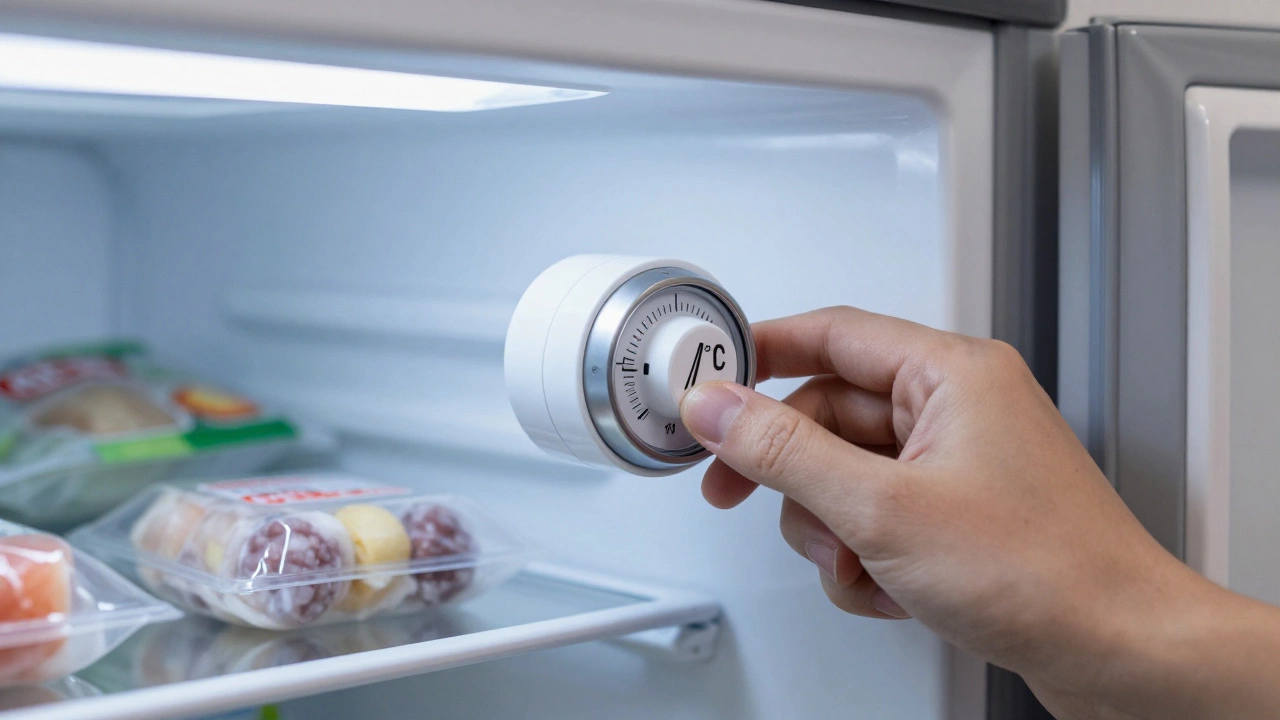
Next, look at the temperature dial. Sometimes a stray elbow or a sliding food package knocks the dial down. Ensure it's set to the recommended setting (usually 0°F or -18°C). If the dial feels loose or spins without resistance, the thermostat might be broken and will need a replacement to tell the compressor when to kick in.
Cleaning the Condenser Coils
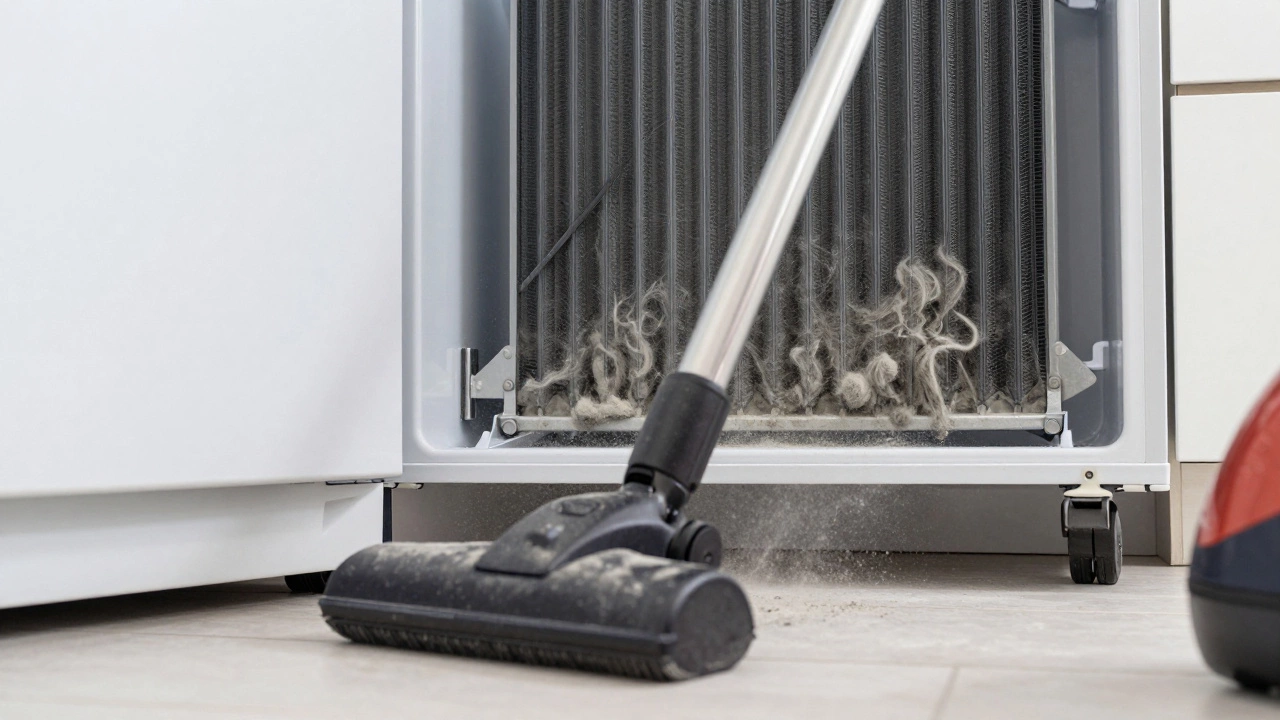
If the freezer is running but the air isn't cold, the problem is often the Condenser Coils is a set of tubes that dissipate heat from the refrigerant into the surrounding air. These coils are usually located at the back or bottom of the unit. When dust, pet hair, and grease build up on them, the freezer can't release heat. This makes the compressor work twice as hard, which eventually leads to overheating and a loss of cooling.
To fix this, pull the freezer away from the wall and unplug it. Use a vacuum with a brush attachment or a coil brush to gently remove the debris. If you have a pet that sheds, you should do this every six months. A clean set of coils can reduce energy consumption by up to 15% and prevent the compressor from burning out prematurely.
Dealing with Frost Buildup and Airflow
Have you noticed a thick layer of ice on the back wall of your freezer? This is a classic sign of a failure in the Defrost System is a mechanism consisting of a timer, heater, and thermostat that melts frost off the evaporator coils. When ice builds up, it blocks the airflow from the freezer to the food, and the Evaporator Coils can't absorb heat from the air.
Check the air vents inside the freezer. If you've stacked bags of frozen corn right up against the vents, the cold air can't circulate. Move your food to allow at least two inches of space around the vents. If the ice is overwhelming, you might need to perform a manual defrost by unplugging the unit and leaving the doors open for 24 hours-though be prepared to manage the melting ice with towels.
| Symptom | Probable Cause | Difficulty to Fix | Typical Tool Needed |
|---|---|---|---|
| Freezer hums but is warm | Dirty Condenser Coils | Easy | Vacuum Cleaner |
| Ice buildup on back wall | Failed Defrost Timer | Medium | Screwdriver/Multimeter |
| Silent freezer, no air movement | Broken Evaporator Fan | Medium | Replacement Fan Motor |
| Cold at bottom, warm at top | Blocked Air Vents | Very Easy | None (Rearrange Food) |
Testing the Evaporator Fan
The Evaporator Fan is the fan that pulls warm air over the cooling coils and pushes cold air back into the freezer compartment. If you can hear the compressor humming at the bottom of the unit but you don't hear a whirring sound coming from inside the freezer, the fan has likely failed. This means the cold air is just sitting on the coils and never reaching your food.
Open the door and listen closely. If you hear a clicking or grinding noise, the fan motor might be dying or obstructed by a piece of ice. You can check the fan by carefully removing the back panel inside the freezer. If the fan blades are frozen in place, defrost them. If the motor is burnt out, it will need to be swapped for a new one. This is a common point of failure in freezers over five years old.
Checking the Door Gaskets
If the Door Gasket is the rubber seal around the edge of the freezer door that prevents warm air from leaking in is leaking, your freezer is fighting a losing battle against the warm air in your kitchen. Even a tiny gap can cause the compressor to run non-stop, eventually leading to a failure in the cooling cycle.
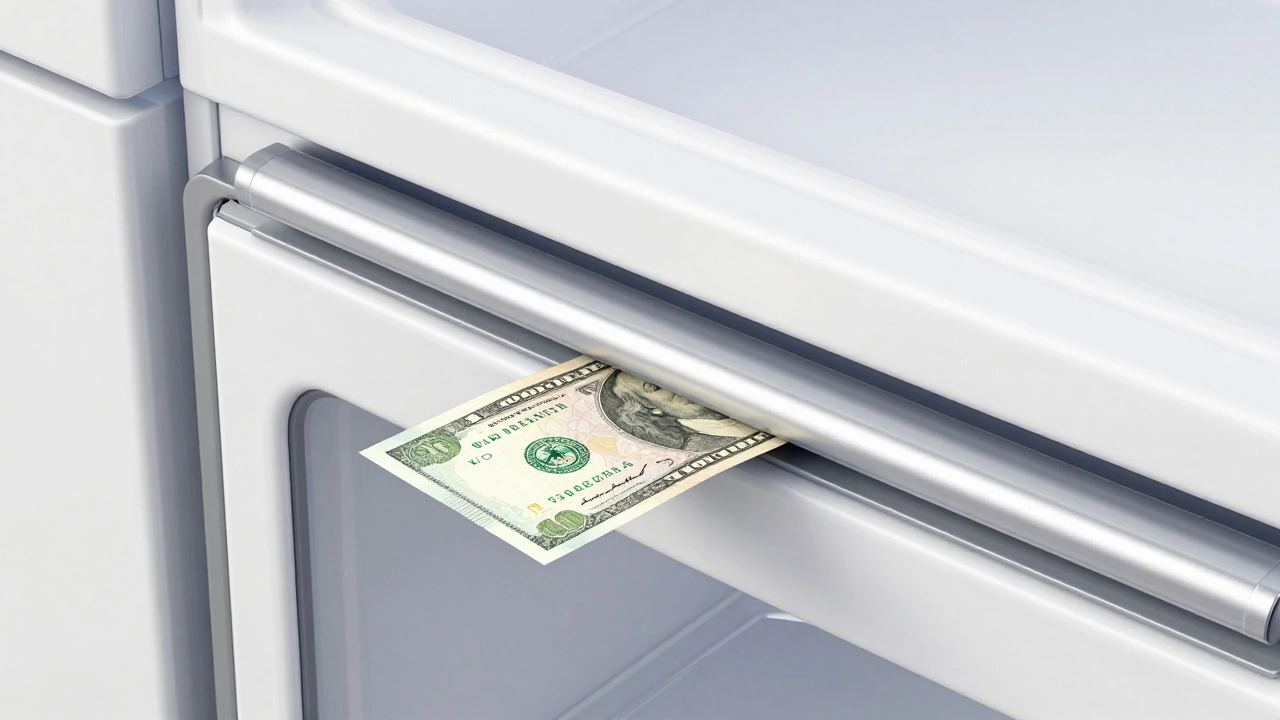
Try the "dollar bill test." Close the door on a dollar bill or a piece of paper. If you can pull the paper out without any resistance, your seal is shot. You can sometimes fix this by cleaning the gasket with warm soapy water to remove sticky residue that prevents a tight seal. If the rubber is cracked or warped, you'll need to buy a replacement gasket specifically for your model number.
When the Compressor is the Problem
The Compressor is the heart of the cooling system that pumps refrigerant through the coils. This is the most expensive part of the appliance. If the compressor is making a loud knocking sound or if it's completely silent and hot to the touch, you might have a mechanical failure or a failed Start Relay.
The start relay is a small device plugged into the side of the compressor. If it fails, the compressor won't start. You can sometimes hear a "click" every few minutes as the relay tries and fails to start the motor. Replacing a relay is a relatively cheap and simple fix compared to replacing the entire compressor, which often requires a certified technician to handle the refrigerant gas.
How do I know if my freezer is actually broken or just struggling?
If the compressor is running constantly but the temperature is only slightly above freezing, it's likely a struggle caused by dirty coils or a leaking seal. If the temperature is room temperature and the compressor is silent, you likely have a total electrical or component failure like a broken thermostat or start relay.
Can I use a hair dryer to defrost my freezer coils?
It is highly discouraged. Using a hair dryer or a heat gun can easily melt the plastic liners or damage the delicate aluminum fins of the evaporator coils. The safest method is to unplug the unit and let it thaw naturally or use a bowl of hot water inside the unit to speed up the process.
How often should I clean my freezer's condenser coils?
For most households, every six to twelve months is ideal. However, if you have pets that shed or if your freezer is tucked into a dusty cabinet, you should check them every three months to ensure the unit can breathe and maintain efficiency.
Why is my freezer cooling but the fridge section is warm?
In most combined units, the cold air is generated in the freezer and blown into the fridge via a damper. If the fridge is warm, the damper might be stuck closed or the evaporator fan might be failing to push air through the vents.
Is it worth fixing an old freezer or should I buy a new one?
If the repair cost is more than 50% of the price of a new unit, or if the compressor has failed on a model over 10 years old, it's usually better to replace it. Newer models are significantly more energy-efficient, which will save you money on your monthly electricity bill.
Next Steps and Troubleshooting
If you've cleaned the coils, checked the fans, and ensured the seals are tight, but you're still not getting a freeze, it's time to bring in a pro. Refrigerant leaks are invisible and require specialized equipment to detect. A technician will check the freezer repair needs by measuring the pressure in the lines and testing the electrical continuity of the components.
For those who prefer to DIY, start by ordering a multimeter. Testing the ohms of the start relay and the thermostat can tell you exactly which part to order without guessing. Just remember to always unplug the appliance before touching any internal wiring to avoid electric shock.