

How Long Does It Take to Replace a Boiler in a House?
 Jan, 1 2026
Boiler Replacement Time Estimator
Based on Toronto home conditions and industry standards
Replacing a boiler in your home isn’t like swapping out a lightbulb. It’s a major job that affects your heat, hot water, and sometimes even your home’s value. If you’re asking how long it takes, you’re probably planning ahead - maybe you’ve got an old boiler that’s rattling, leaking, or just refusing to stay on. The short answer? Most boiler replacements in a typical Toronto home take between one and three days. But that’s not the whole story.
What Happens on Day One: Removal and Prep
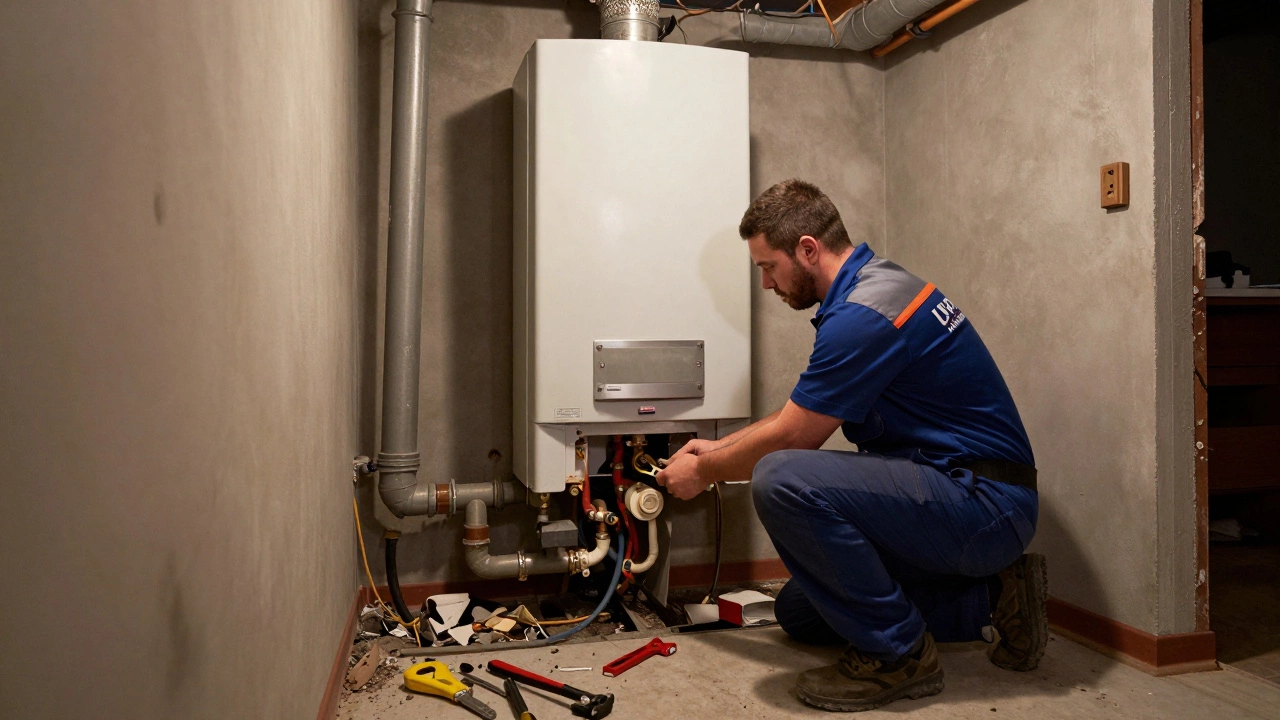
The first day is all about tearing out the old boiler and getting the space ready. This isn’t just unplugging a machine. Old boilers are heavy, often bolted to the wall or floor, and connected to gas lines, water pipes, electrical wiring, and sometimes even flues or condensate drains. A skilled technician will shut off the gas and water, drain the system, disconnect everything, and carefully remove the unit. If the old boiler was installed in the 1990s or earlier, you might find outdated pipework, rusted fittings, or even lead solder - all of which add time.After removal, the team checks the surrounding area. Is the floor strong enough to support a new boiler? Are the gas and water lines in good shape? Are the flue and condensate pipes still usable? If the old boiler sat on a weak shelf or the flue was cracked, you’ll need repairs before the new unit goes in. That can add hours - or even push the job into a second day.
Day Two: Installing the New Boiler
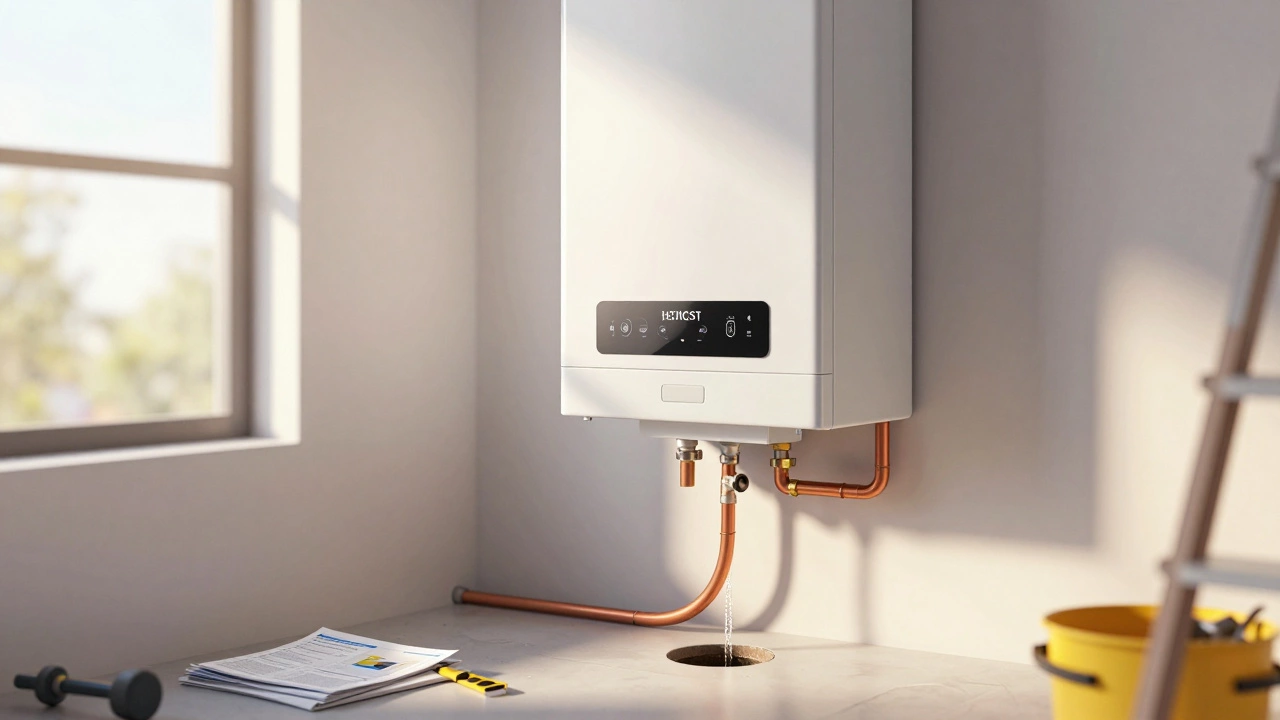
Day two is where things get technical. The new boiler arrives, usually a modern condensing model that’s smaller, quieter, and more efficient than what you had. It might be wall-mounted or floor-standing, depending on your space and needs. The installer will position it, connect the gas line (with a pressure test to make sure there are no leaks), hook up the water pipes, and link the electrical supply. They’ll also connect the condensate pipe to a drain - something many older homes weren’t built for.If your home has an older plumbing system, they might need to install new pipes or valves. If you’re switching from a regular boiler to a combi boiler, they’ll need to reconfigure the entire hot water setup - no more tank, no more cylinder. That means rerouting pipes, adding new controls, and sometimes even moving the boiler to a new location. All of this adds time.
On a straightforward job - same location, similar type, good existing pipes - the install can be done in 6 to 8 hours. But if the team hits unexpected issues, like blocked flues, outdated wiring, or a lack of proper drainage, it can stretch to a full day or more.
Day Three: Testing, Commissioning, and Handover
Even if the boiler is installed by noon on day two, the job isn’t done. Every new boiler must be commissioned properly. That means turning it on, checking the pressure, testing the heating and hot water cycles, verifying the thermostat works, and ensuring the flue gases are venting safely. The technician will run the system for several hours to make sure it heats evenly and doesn’t short-cycle or shut down unexpectedly.They’ll also show you how to use the controls - many modern boilers have digital interfaces, Wi-Fi apps, or smart features you’ve never seen before. You’ll get a boiler certificate (required by law in Ontario), a warranty card, and instructions for maintenance. If you’re not familiar with how to bleed radiators or check pressure, they’ll walk you through it. This step alone can take 1 to 2 hours, but it’s non-negotiable. A boiler that’s not commissioned correctly can be dangerous or inefficient.
What Can Slow Things Down?
Not every boiler replacement goes smoothly. Here’s what can turn a one-day job into a three-day mess:- Old or blocked flue: If the chimney or flue pipe is cracked, rusted, or full of debris, it must be replaced or cleaned. This often requires a specialist and can delay the install.
- No condensate drain: Modern boilers produce condensate. If your house doesn’t have a nearby drain, the installer has to run a new pipe - sometimes through walls or floors.
- Upgrading the gas line: Older homes might have ½-inch gas lines. New boilers often need ¾-inch. Upgrading means calling the gas company, getting permits, and waiting for inspection.
- Changing boiler type: Switching from a system boiler to a combi boiler means removing a hot water tank and reconfiguring the whole system. That’s a whole extra day.
- Weather delays: In Toronto winters, snow, ice, or freezing temps can make outdoor work - like installing flues or accessing gas lines - risky or impossible.
What Makes It Faster?
If you want to keep the job under 24 hours, here’s how:- Stick with the same type: Replacing a combi boiler with another combi boiler in the same spot? That’s the fastest route.
- Clear the area: Move furniture, rugs, and clutter away from the boiler. A clear workspace saves hours.
- Have the old boiler’s specs ready: If you know the model, serial number, and when it was installed, the installer can order the right replacement faster.
- Get permits early: Some municipalities require permits for gas work. Apply before the install day to avoid delays.
- Choose a reputable company: Experienced teams know what to expect. They bring the right tools, spare parts, and have done this 50 times before.
Boiler Replacement vs. Repair: When to Replace
Before you commit to a full replacement, ask yourself: Do I really need a new one? Many people replace boilers too soon. If your boiler is less than 10 years old and just needs a new pump or thermostat, repair is cheaper and faster. But if it’s over 15 years old, has frequent breakdowns, or your energy bills are climbing, replacement makes sense. A 2025 study by Natural Resources Canada found that homes replacing boilers older than 15 years saw an average 25% drop in heating costs within the first year.
Cost and Time: What’s the Trade-Off?
You might be tempted to go with the cheapest installer to save money. But a rushed job or inexperienced tech can cost you more later. A boiler installed poorly might leak, fail in winter, or void the manufacturer’s warranty. In Toronto, most professional boiler replacements cost between $4,500 and $8,000. That includes the unit, labor, permits, and commissioning. The best installers won’t cut corners - and they won’t leave you with a boiler that doesn’t work properly.What to Expect After Installation
After the install, your home should heat up evenly. Radiators should get hot from top to bottom. Your hot water should come on instantly (if you have a combi boiler). The boiler should run quietly - no banging, gurgling, or loud clicks. If you hear strange noises after a few days, call the installer. Most reputable companies offer a 30-day follow-up check.Keep your warranty documents and maintenance schedule handy. Most manufacturers require annual servicing to keep the warranty valid. In Ontario, it’s also wise to register your boiler with the manufacturer - that way, you’ll get recall notices or safety alerts.
How to Prepare for Your Boiler Replacement
- Clear space: Give the installer at least 3 feet of clearance around the boiler. - Turn off utilities: Shut off the gas and water before they arrive - even if they say they’ll do it. - Plan for no heat: If you’re replacing during winter, have blankets, space heaters, or a plan for staying warm during the day. - Ask questions: Don’t be shy. Ask what type of boiler they’re installing, why it’s the right fit, and how long the warranty lasts. - Get everything in writing: Confirm the model number, price, timeline, and what’s included in the quote.Replacing a boiler isn’t just about getting heat back. It’s about safety, efficiency, and peace of mind. Taking the time to do it right means you won’t be dealing with breakdowns next winter.
Can I replace my boiler myself?
No. In Ontario, only licensed gas fitters can legally install or repair gas boilers. Attempting to do it yourself is dangerous and illegal. You risk gas leaks, carbon monoxide poisoning, or fire. Even if you’re handy, the law requires a certified technician to sign off on the installation and issue a compliance certificate.
Do I need a permit to replace a boiler in Toronto?
Yes. All gas appliance installations in Ontario require a permit from the local municipality. Reputable installers handle this for you - they’ll submit the paperwork, schedule inspections, and make sure everything meets the Ontario Building Code. Skipping this step can void your home insurance and create problems if you ever sell your house.
How long does a new boiler last?
Most modern boilers last between 15 and 20 years with proper maintenance. High-quality models from brands like Vaillant, Worcester Bosch, or Navien can last longer if serviced annually. Regular maintenance - like flushing the system and checking pressure - can extend the life by 5 years or more.
Will a new boiler save me money on my energy bill?
Yes, especially if your old boiler is over 15 years old. A new condensing boiler is 90%+ efficient, while older models can be as low as 60-70%. In a typical Toronto home, upgrading from an old boiler to a new one can cut annual heating costs by $300 to $600. Some homeowners qualify for rebates through Ontario’s Home Efficiency Rebate program, which can cover up to $7,000.
Should I replace my boiler before it breaks down?
It’s often smarter to replace it before it fails. A breakdown in January can leave you without heat for days, and emergency replacements cost more. If your boiler is over 12 years old, starts making loud noises, leaks water, or takes too long to heat up, it’s time to start planning. Replacing it in spring or fall gives you time to compare quotes and avoid winter rush fees.