

How Long Does It Take a Plumber to Service a Boiler?
 Mar, 22 2026
Boiler Service Time Estimator
Find out how long your boiler service will take with this tool. Based on the article, routine services typically take 60-90 minutes, but your situation may vary.
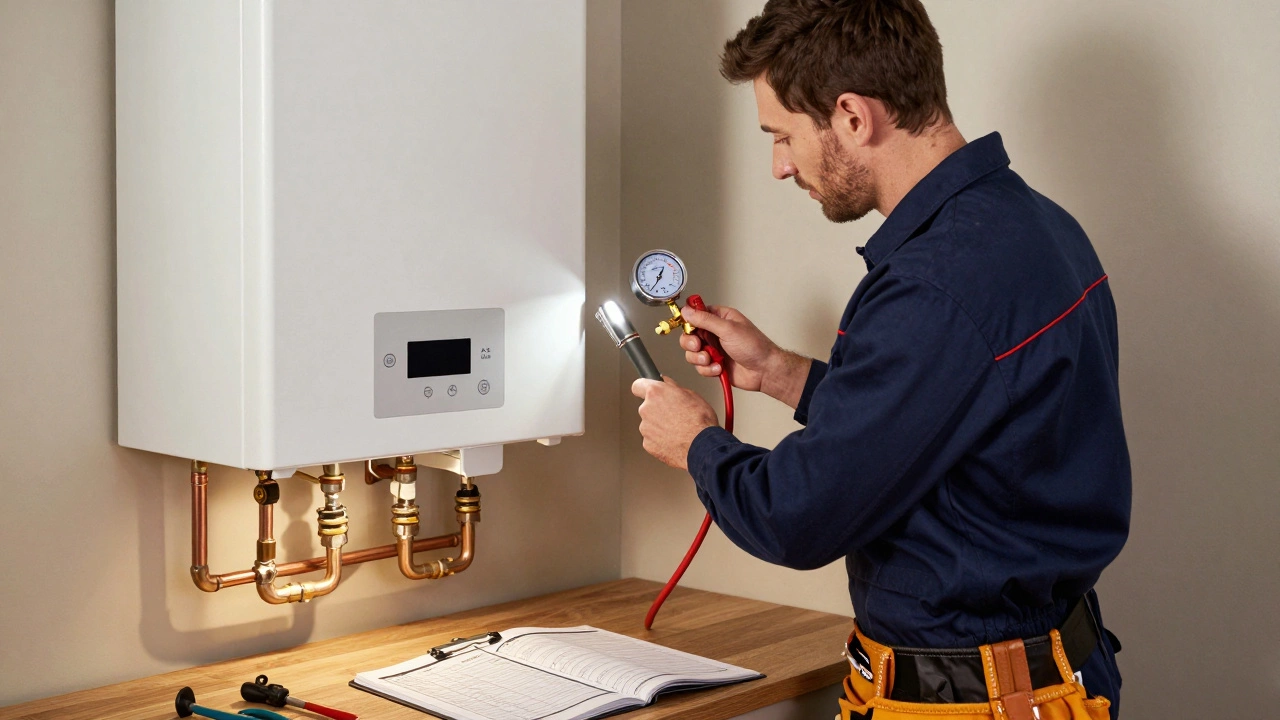
When your boiler starts making strange noises or loses heat faster than usual, you probably want to know one thing: how long does it take a plumber to service a boiler? The answer isn’t a simple number-it depends on what’s wrong, how old the system is, and whether it’s been maintained before. But here’s the real deal: most routine boiler services in Toronto take between 60 and 90 minutes. If something’s broken, it could take longer. Let’s break down exactly what happens during a boiler service and why the time varies.
What Happens During a Boiler Service?
A boiler service isn’t just a quick glance under the hood. It’s a full diagnostic check that follows industry standards like Gas Safe (UK) and local Canadian safety codes. A qualified plumber will typically do the following:
- Check the gas pressure and flow rate
- Inspect the heat exchanger for cracks or corrosion
- Clean the burner and flue components
- Test safety devices like the thermostat and pressure relief valve
- Verify proper ventilation and carbon monoxide levels
- Check for leaks in pipes and joints
- Flush the system if sludge buildup is present
- Provide a service report and certification
This isn’t a checklist you can skip. A poorly serviced boiler can leak carbon monoxide, waste up to 30% more gas, or break down completely in freezing weather. In Toronto, where winter temperatures regularly drop below -20°C, a failed boiler isn’t just inconvenient-it’s dangerous.
Typical Service Time: 60-90 Minutes
If your boiler is in decent shape and has been serviced annually, expect the job to take about 75 minutes on average. Most plumbers in Ontario work with combi boilers, which are common in homes built after 1990. These units are compact, so access is easier, and parts are standardized. With no major issues found, the plumber can complete the full inspection, cleaning, and testing within that window.
Think of it like an oil change for your car. You’re not just topping up fluid-you’re checking for wear, contamination, and hidden damage. A good plumber will explain what they found, show you any worn parts, and tell you if something needs replacing soon.
When It Takes Longer: 2-4 Hours
Not every boiler service goes smoothly. If your unit hasn’t been serviced in 3+ years, or if you’ve noticed symptoms like:
- Strange banging or gurgling noises
- Low water pressure
- Yellow flames instead of blue
- Frequent error codes (like E1, E2, or E9)
then the plumber will likely need extra time. Why? Because they’ll have to:
- Drain and flush the entire heating system-this alone can take 45 minutes
- Replace a faulty pump or diverter valve
- Repair or replace a corroded heat exchanger
- Repressurize the system and retest for leaks
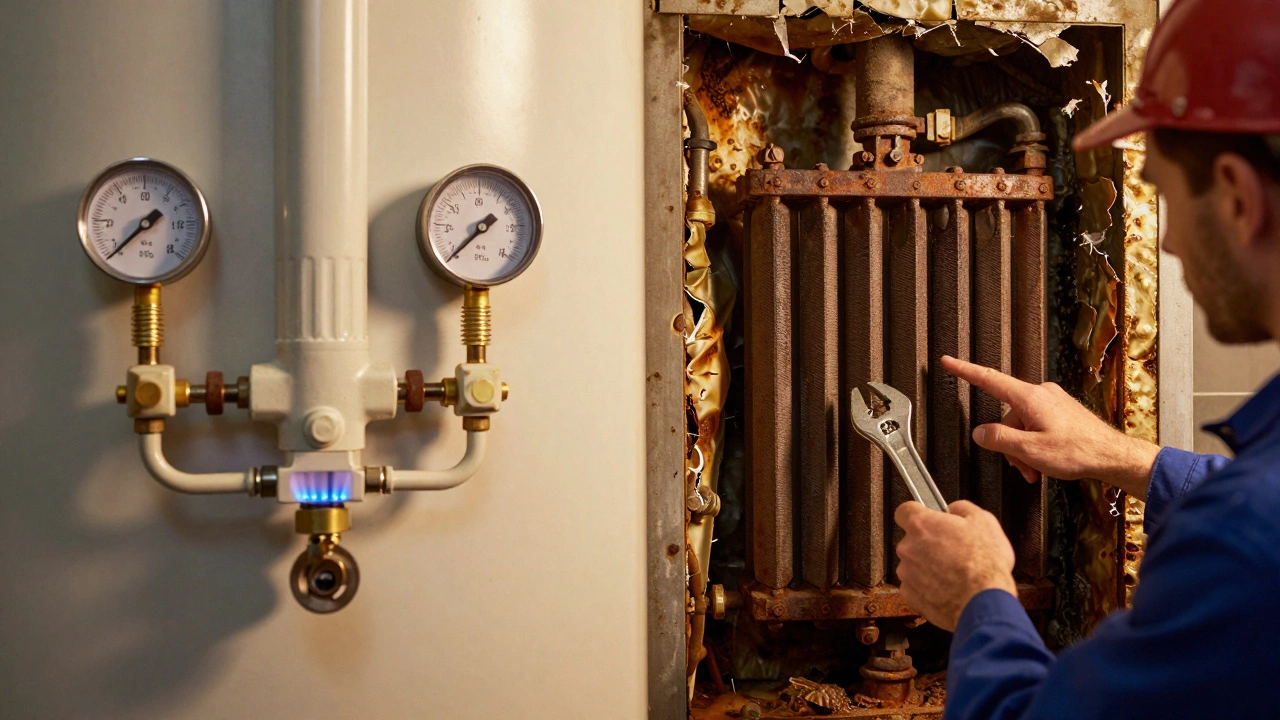
One real example from a Toronto homeowner: Their 12-year-old boiler had been ignored for four years. The plumber found thick sludge blocking the heat exchanger, a leaking pressure valve, and a cracked expansion tank. The service took 3.5 hours. They ended up replacing the heat exchanger for $850 instead of a full boiler replacement ($4,200). That’s why regular service saves money.
Emergency Repairs Are Different
If your boiler completely stops working, especially in January, you’re not getting a routine service-you’re getting a repair. Emergency call-outs can take 2-6 hours depending on:
- Availability of replacement parts
- Access to your home (e.g., basement, attic, or condo unit)
- Complexity of the fault (e.g., gas valve failure vs. frozen condensate pipe)
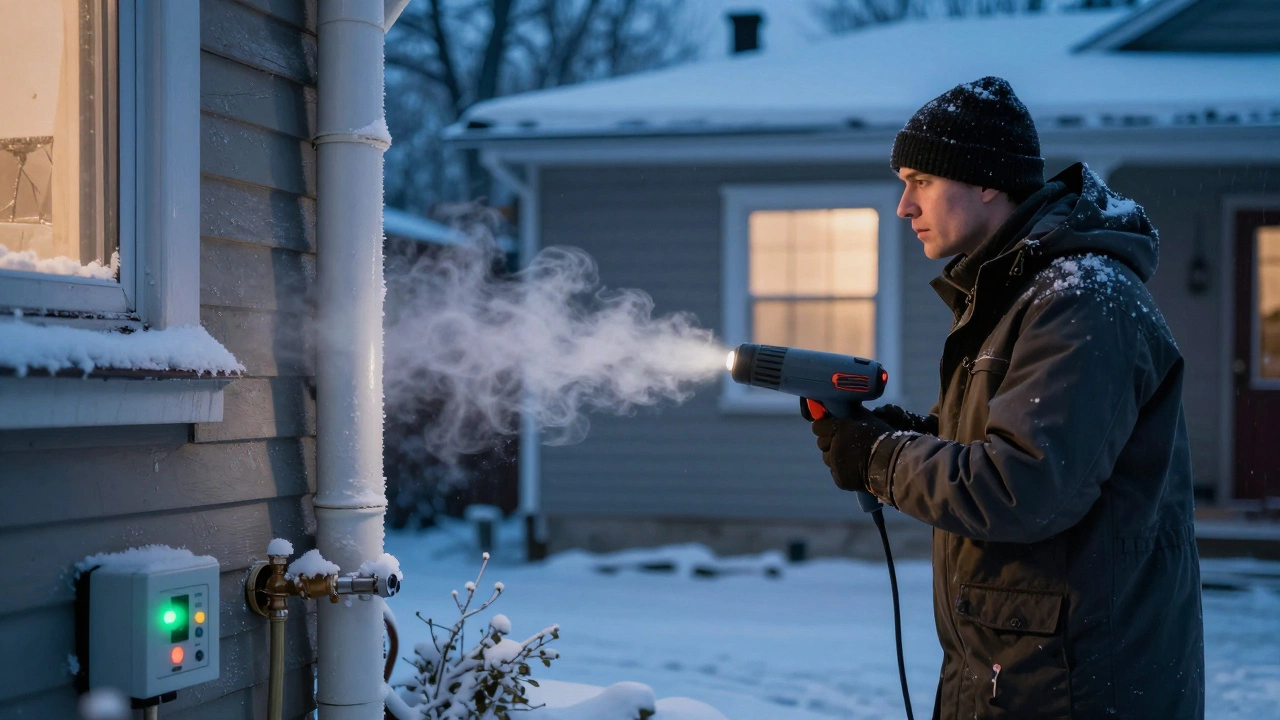
In Toronto, condensate pipe freezes are common in older homes with external flues. That’s a quick fix-15 minutes to thaw and insulate it. But a failed ignition system? That could mean replacing the entire control board, which requires ordering a part and returning the next day.
Factors That Affect Service Time
Not all boilers are created equal. Here’s what changes the clock:
- Boiler type: Combi boilers (most common) are faster to service than system or regular boilers with separate tanks.
- Age: Units over 10 years old often have built-up sludge, worn seals, and outdated parts that slow things down.
- Location: A boiler tucked under a narrow staircase takes longer than one in a dedicated utility room.
- History: If you’ve had the same plumber for years, they’ll know your system’s quirks and work faster.
- Season: Winter is peak season. Plumbers are booked solid, so you might wait 3-5 days for a slot. Spring and fall are ideal for scheduling.
Pro tip: Keep your boiler room clear. If the plumber has to move boxes, furniture, or insulation, that adds 15-20 minutes to the job.
How Often Should You Service Your Boiler?
Every 12 months. That’s the standard recommendation from manufacturers and safety agencies. Skipping a year doesn’t mean disaster-it means you’re gambling. A boiler that’s not serviced:
- Uses 15-30% more energy
- Has a 50% higher chance of breaking down in winter
- Void’s your warranty (most require annual service)
- Increases the risk of carbon monoxide leaks
In Ontario, over 1,200 emergency calls each winter are linked to poorly maintained boilers. That’s not a statistic-it’s your neighbor’s basement freezing while they wait for help.
What to Look for in a Plumber
Not all plumbers are trained for boilers. In Canada, you need someone who:
- Is registered with the Technical Standards and Safety Authority (TSSA)
- Has a valid Gas Fitter license (Class A or B)
- Carries liability insurance
- Provides a signed service certificate
Ask for their TSSA number. You can verify it online. If they hesitate, walk away. A cheap plumber might save you $50 now but cost you $3,000 later if they miss a crack in the heat exchanger.
Cost vs. Time: Is It Worth It?
A boiler service in Toronto typically costs between $150 and $250. That’s less than a single tank of heating oil. But the real value isn’t the price-it’s the peace of mind. A well-serviced boiler lasts 15-20 years. A neglected one? 8-10. That’s half the lifespan.
Think of it like dental cleanings. You don’t wait until your tooth falls out to see the dentist. Same logic applies here.
Final Takeaway
Most boiler services take 1.5 hours. If it’s taking longer, there’s a reason-and it’s usually something you can fix before it becomes a crisis. Book your service in early spring. Avoid winter rush. Keep your system clean, and don’t ignore the small signs. A quiet boiler is a healthy boiler. And in Toronto, a healthy boiler is the difference between comfort and chaos.
How long does a boiler service usually take?
Most routine boiler services take between 60 and 90 minutes. This includes inspection, cleaning, safety tests, and a service report. If repairs are needed, the time can extend to 2-4 hours depending on the issue.
Can I service my boiler myself?
No. Boiler servicing requires a licensed gas fitter in Canada. Even if you’re handy, tampering with gas lines, pressure systems, or combustion chambers is illegal and dangerous. Only certified professionals can legally perform safety checks and issue service certificates.
Why is my boiler making noise after service?
Some noises, like a slight gurgle or click, are normal as air clears from the system. But loud banging, whistling, or rumbling usually means sludge buildup or a faulty pump. If the noise continues past 24 hours, call your plumber back-it’s likely a missed issue.
How often should I service my boiler?
Once a year. Annual servicing keeps your boiler efficient, safe, and under warranty. Skipping service increases the risk of breakdowns, higher energy bills, and carbon monoxide leaks-especially in cold climates like Toronto.
What’s the difference between a boiler service and a boiler repair?
A service is preventive-it’s a full inspection and cleaning to keep the boiler running well. A repair is corrective-it fixes something that’s already broken. Services are scheduled; repairs are emergency. You should have a service every year, even if no repairs are needed.
Do I need a service if my boiler seems fine?
Yes. Boilers can have hidden problems-like small gas leaks, internal corrosion, or failing sensors-that don’t show up until they cause a breakdown. A professional service catches these before they become emergencies. If it looks fine, that’s exactly why you need it serviced.