

How Long Do Hobs Last? Lifespan and Maintenance Guide
 Apr, 12 2026
Hob Lifespan & Replacement Estimator
Your Estimate
Enter your hob details to see the lifespan projection.
Quick Takeaways
- Gas hobs usually last 15-20 years with basic burner care.
- Induction and ceramic hobs typically last 10-15 years due to electronic aging.
- The biggest killers of hobs are impact damage, moisture in the electronics, and grease buildup.
- Regular cleaning and using the right cookware can push your appliance toward the higher end of its life expectancy.
When we talk about the hob lifespan is the estimated duration a cooktop remains functional before the cost of repair outweighs the cost of replacement, we aren't just talking about the glass cracking. We are talking about the internal components-the thermocouples, the induction coils, and the touch controllers-slowly degrading. Depending on the technology you have installed, the timeline varies wildly.
The Longevity of Gas Hobs
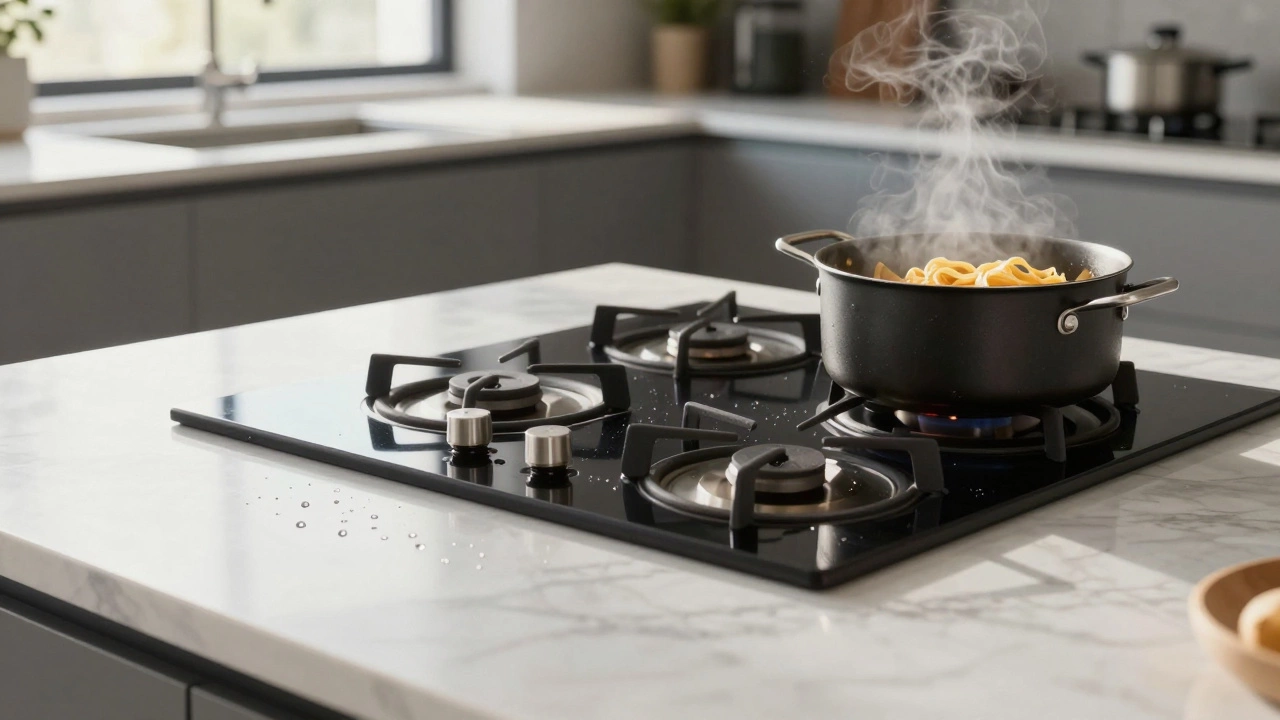
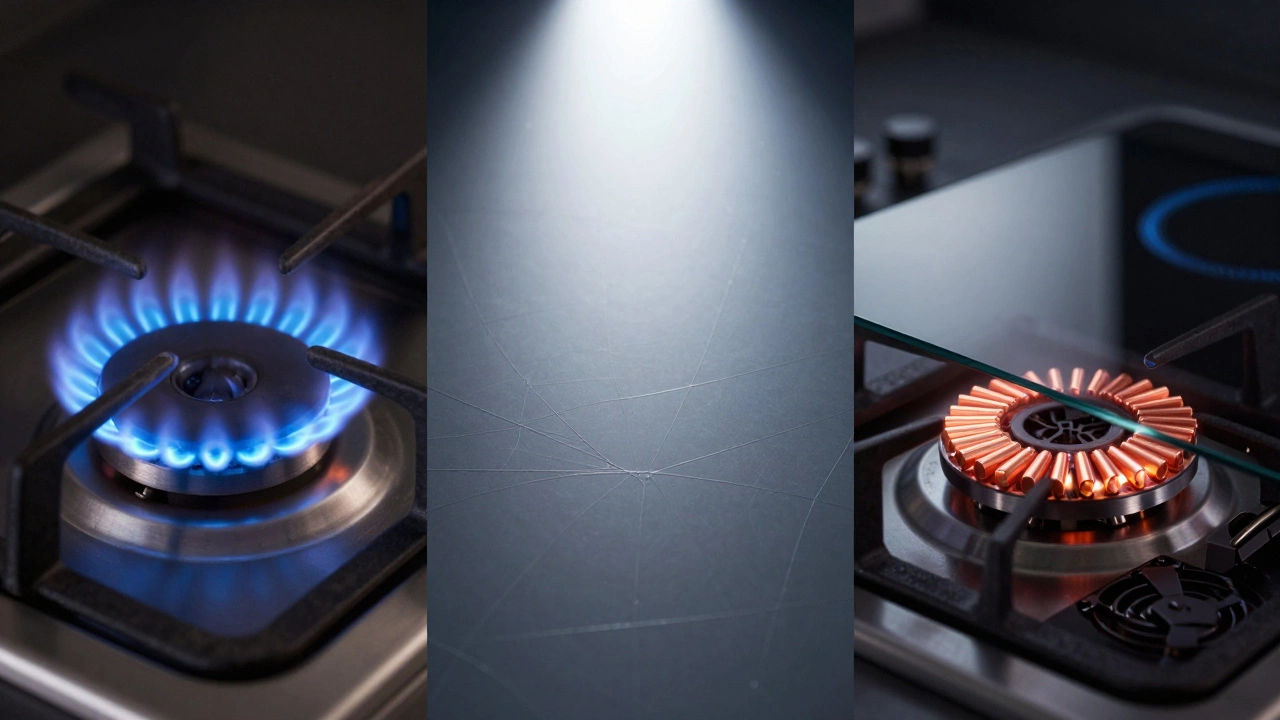
If you prefer a flame, you've likely got a Gas Hob. These are the marathon runners of the kitchen. Because they rely on a relatively simple mechanical process-gas flows through a pipe, hits an igniter, and burns-there isn't much that can go wrong electronically. Most gas hobs can easily hit the 20-year mark if you don't neglect them.
The main issues with gas units are usually the Thermocouple (the safety sensor that cuts gas if the flame goes out) and the ignition sparks. If you notice your stove taking five or six clicks to light, you're seeing the first signs of age. These are easy fixes, but once the manifold or the main gas valve starts to leak, you're looking at a more serious repair scenario. The physical cast-iron supports are nearly immortal, but the burners can corrode if you leave acidic foods, like tomato sauce, simmering and spilling for hours without a cleanup.
Electric and Ceramic Hob Lifespans
Ceramic hobs, which use Electric Heating Elements beneath a sheet of glass, generally last between 10 and 15 years. They are a middle-ground option. The heating elements themselves are quite durable, but the glass is the vulnerability. One heavy pot dropped from a few inches can end the life of the entire unit instantly.
Over time, the thermal shock-going from freezing cold to 400 degrees repeatedly-can create micro-fractures in the glass. While you might not see them at first, these tiny cracks eventually lead to the "spiderweb" effect. Additionally, the internal wiring can become brittle over a decade of intense heat, leading to intermittent power failures or "ghost" shutdowns where the hob turns off mid-boil.
The Modern Marvel: Induction Hobs
Then we have the Induction Hob. These are incredibly efficient because they use Electromagnetism to heat the pan directly, rather than heating a surface. While they feel like the future, they actually have a slightly shorter theoretical lifespan than gas, often ranging from 10 to 12 years.
Why is that? Because an induction hob is essentially a giant computer that generates a magnetic field. It relies on complex Inverter Boards and cooling fans to keep the electronics from overheating. Electronic components are far more sensitive to heat and moisture than a gas pipe is. If the internal cooling fan gets clogged with dust or grease, the motherboard can fry, often resulting in a repair bill that is 60% of the cost of a new unit.
| Hob Type | Average Life | Main Failure Point | Durability Rating |
|---|---|---|---|
| Gas | 15-20 Years | Igniters / Thermocouples | High |
| Ceramic/Electric | 10-15 Years | Glass Cracks / Element Burnout | Medium |
| Induction | 10-12 Years | Electronic Control Boards | Medium-Low |
What Actually Kills Your Hob?
It is rarely one big event that kills a hob; it's usually a slow grind of bad habits. The biggest enemy is moisture. In induction and electric models, steam from boiling pots can seep through the edges of the glass and condense on the circuit boards. This leads to corrosion and short circuits. If you notice your touch controls becoming unresponsive, there's a good chance moisture has settled into the control panel.
Then there is the issue of surface abrasion. Using a scouring pad or a harsh abrasive cleaner on a ceramic or induction surface creates microscopic scratches. Over time, these scratches hold onto burnt-on food and grease, which then burns even deeper into the glass. This doesn't just look bad; it creates "hot spots" that can lead to uneven heating and eventual structural failure of the glass.
Finally, let's talk about overloading. Many people use hobs for things they aren't designed for, like using a heavy cast-iron press on a glass surface. The weight creates a point of tension. If that glass is already stressed from heat, it will shatter. I've seen hobs fail simply because a user decided to lean their weight on the surface while reaching for a spice rack.
How to Stretch Your Hob's Life
You don't have to just accept a 10-year expiration date. You can actually push your appliance further with a few specific habits. For gas hobs, keep the burner caps clean. If the ports get clogged with grease, the flame becomes uneven, which can overheat the surrounding metal and warp the chassis.
For electric and induction users, the rule of thumb is to match the pan size to the ring size. Using a tiny pan on a massive induction zone wastes energy and puts unnecessary stress on a small area of the Induction Coil. More importantly, avoid using "sugar-based" spills. If jam or syrup boils over onto a ceramic hob, it can actually chemically bond with the glass and create pits (called "pitting") that cannot be cleaned off and weaken the surface.
Another pro tip: if you have an induction hob, make sure you can hear the fan running. If the fan sounds like it's struggling or you don't hear it at all, your electronics are cooking themselves. A quick vacuum of the vents (if accessible) can save you from a total motherboard replacement.
When to Call for Hob Repair vs. Replacing
The million-dollar question is always: is it worth fixing? As a general rule, if the repair cost is more than 50% of a new unit and the hob is over 8 years old, replace it. However, some repairs are "no-brainers." Replacing a gas igniter or a faulty thermocouple is cheap and fast, instantly adding years to a gas hob's life.
On the other hand, if the glass on a ceramic hob cracks, the replacement cost of the glass plus the labor often nears the price of a new, more energy-efficient model. In 2026, the efficiency gains of newer induction technology are so high that upgrading an old electric hob often pays for itself in energy bills within three years.
Why does my gas hob click but not light?
This is usually caused by a dirty or damp igniter. If food debris or cleaning spray gets into the electrode, the spark can't jump to the gas. Try cleaning the area with a dry toothbrush or a cotton swab dipped in rubbing alcohol. If that doesn't work, the igniter spark plug may have worn out and needs replacing.
Can I replace just the glass on an induction hob?
Yes, it is technically possible to replace the glass top. However, because the glass is precision-bonded to the induction coils and sensors, it is a labor-intensive process. Unless you have a high-end luxury model where the glass is very expensive, it is often more practical to replace the entire unit.
Do induction hobs really last shorter than gas?
Statistically, yes. Gas hobs have fewer electronic components that can fail. Induction hobs rely on complex circuit boards and cooling systems that are susceptible to heat fatigue and moisture, which naturally limits their lifespan compared to the mechanical simplicity of gas.
What is the best way to clean a ceramic hob to avoid damage?
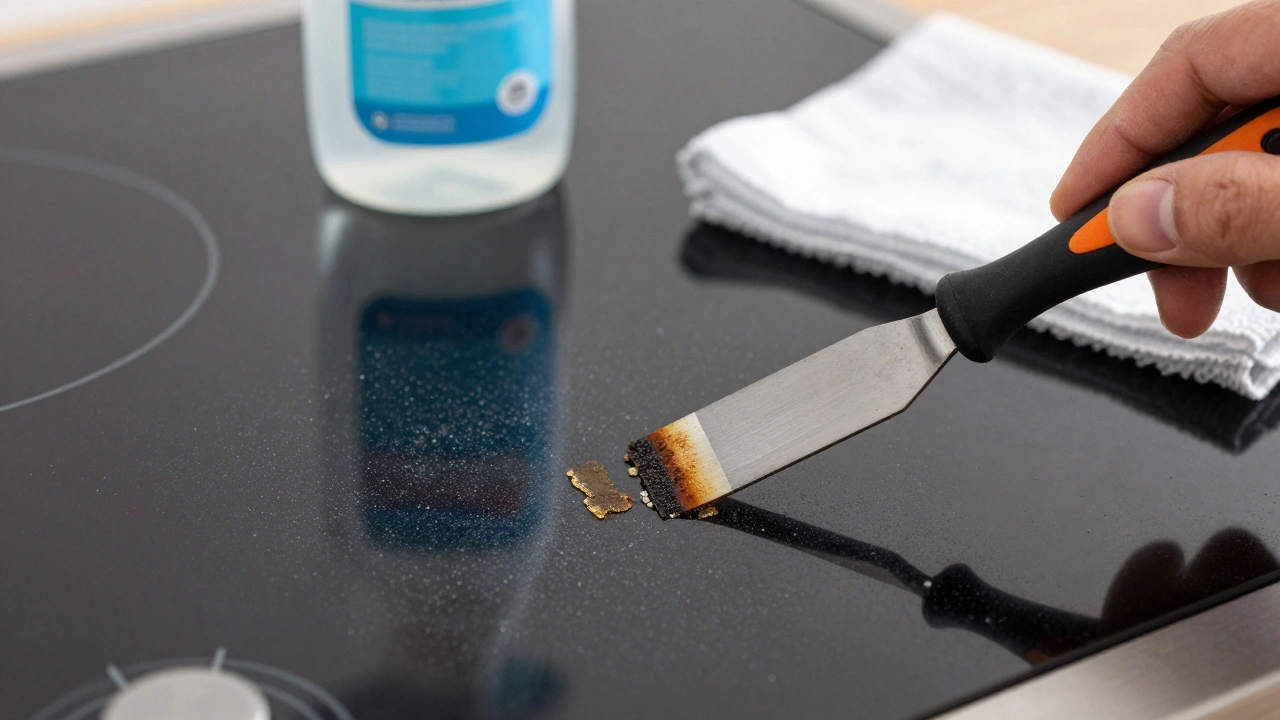
Avoid steel wool or abrasive scrubbing pads. Use a dedicated ceramic hob cleaner and a microfiber cloth. For burnt-on residue, use a specialized glass scraper held at a 45-degree angle to lift the debris without scratching the surface.
How do I know if my hob is dangerous to use?
Immediate red flags include the smell of gas when the hob is off, visible cracks in the glass surface, sparks coming from the control panel, or if the burners are producing an orange flame instead of blue (which indicates incomplete combustion and potential carbon monoxide risk).
Next Steps for Different Users
For the Homeowner with an Old Gas Hob: Start by checking your burners. If the flame is uneven, deep-clean the ports. If the lighting is slow, it's time to call a pro for a thermocouple check before the unit fails completely during a dinner party.
For the Induction User: Listen to your cooling fan. If you notice a buildup of dust around the vents of your unit, carefully vacuum it out. This simple act of maintenance can prevent the motherboard from overheating and extending the life of your appliance by several years.
For the Budget Cook: If you're seeing cracks in your electric hob, don't ignore them. A small crack can let liquid leak directly onto the electrical elements, which can cause a catastrophic short circuit or even a fire. Get a technician to assess if the glass can be replaced or if it's time to shop for a new model.