

Heat Pump Lifespan: How Long Do They Last and When to Replace
 May, 3 2026
Heat Pump Repair vs. Replace Calculator
Unit Details
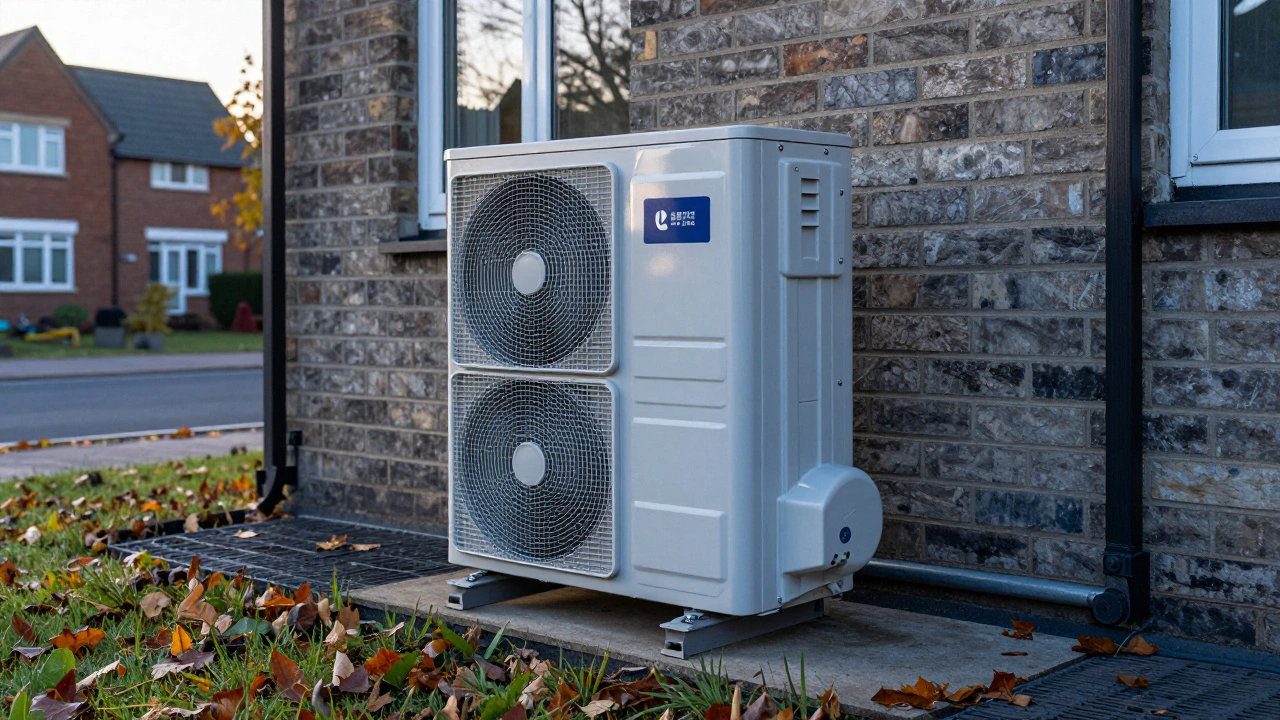
Most homeowners expect their heating system to last forever, but that isn't how physics works. If you are wondering what is the average lifespan of a heat pump, the short answer is between 15 and 20 years. However, that number can swing wildly depending on where you live, how hard the unit works, and whether you actually maintain it. In Toronto, where we see freezing winters and humid summers, your unit faces a unique stress test every year.
A heat pump is not just an air conditioner or a furnace; it is a complex machine that moves thermal energy rather than generating it. This dual role makes it more versatile but also more demanding. Understanding its lifecycle helps you budget for repairs now and avoid being stranded with a broken unit in the dead of January.
The Baseline: 15 to 20 Years of Service
When manufacturers rate a heat pump, they usually aim for a 15-year mark under ideal conditions. "Ideal" means moderate temperatures, clean filters, and annual professional servicing. In reality, many units hit the 15-to-20-year range before major components fail. Some high-end models from brands like Carrier or Lennox might stretch toward 25 years if treated gently, while cheaper units often start showing serious wear by year 12.
This lifespan assumes the unit is a standard air-source heat pump. Ground-source (geothermal) heat pumps have a different story entirely. The underground loops in those systems can last 50 years or more, but the indoor air handler above ground still follows the typical 15-to-20-year clock. Knowing which type you have changes your replacement timeline significantly.
Why Your Heat Pump Might Die Early
Not all heat pumps die of old age. Many succumb to neglect or harsh environments long before they reach their potential lifespan. Here are the biggest killers:
- Short Cycling: If your thermostat is set too far from the room temperature, the heat pump turns on and off frequently. This puts massive strain on the compressor, the most expensive part of the system. Every startup cycle wears out the motor.
- Dirt and Debris: A clogged filter restricts airflow. Without proper airflow, the refrigerant doesn't cool down properly in the condenser coil. This causes the compressor to overheat and fail prematurely. It’s like running a car with a blocked radiator.
- Harsh Weather Exposure: In places like Toronto, winter ice buildup on outdoor coils forces the unit to use its electric resistance heaters more often. These heaters are inefficient and add load to the electrical components. Hailstorms can also dent fins, reducing efficiency and causing leaks.
- Poor Installation: If the refrigerant lines are sized incorrectly or the unit isn't level, it struggles from day one. An improperly installed heat pump might only last 8 to 10 years because it's constantly fighting itself.
Signs Your Heat Pump Is Tired
You don't need a crystal ball to know when your heat pump is near the end of its life. Look for these concrete warning signs:
- Rising Energy Bills: If your electricity costs jump by 10% to 20% without changing habits, your heat pump is likely losing efficiency. Old units lose about 2% to 5% of their efficiency each year due to wear and tear.
- Frequent Repairs: If you've called a technician three times in the last two years, it's time to think about replacement. The cost of parts and labor will eventually exceed the value of keeping the old unit running.
- Noisy Operation: Grinding, squealing, or banging noises indicate mechanical failure. The fan motor bearings might be shot, or debris might be hitting the blades. These issues rarely fix themselves.
- Inconsistent Temperatures: If some rooms are hot while others are cold, your heat pump might be struggling to move enough air. This could mean a failing compressor or blocked ductwork.
- Icing Up in Winter: A little frost is normal during defrost cycles. But if the outdoor unit is covered in thick ice all day, the system isn't managing moisture correctly. This leads to compressor damage.
How Maintenance Extends Lifespan
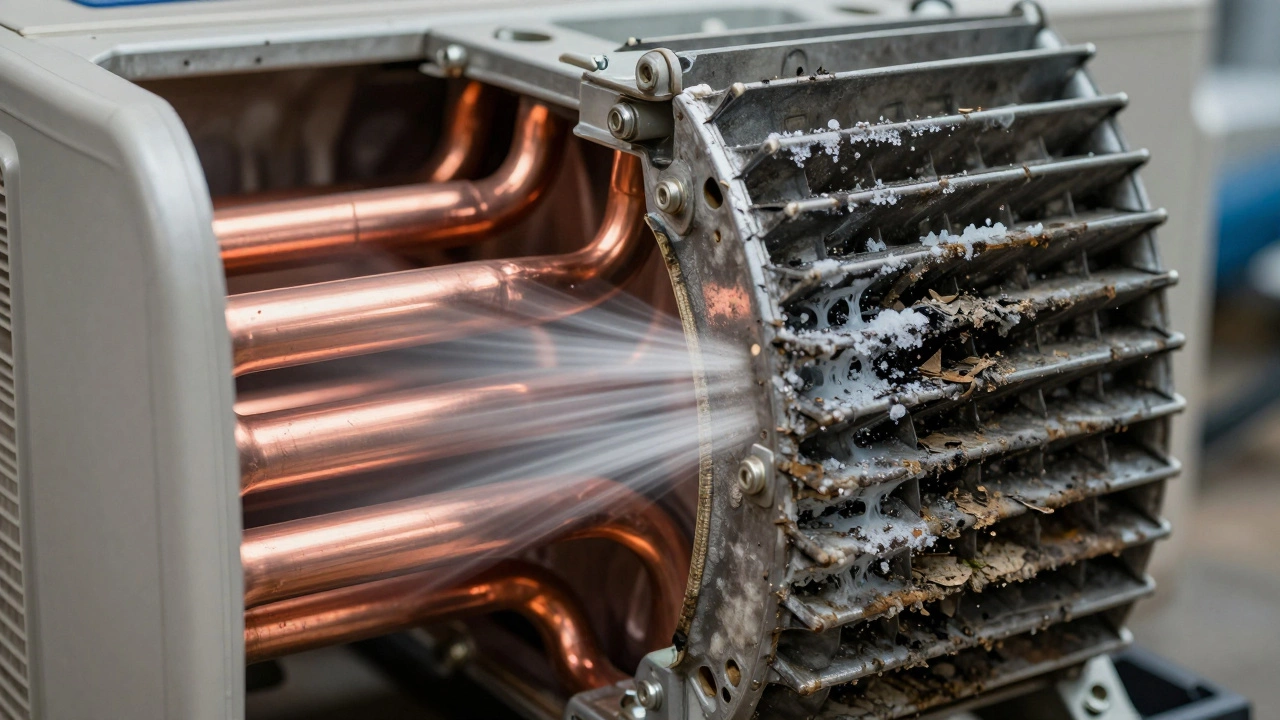
Maintenance is the single biggest factor you control. You can double the life of a neglected unit simply by staying on top of basic care. Think of it like changing the oil in your car-you wouldn't skip it, so why skip your HVAC?
Start with the filters. Change or clean them every month during peak usage seasons (winter and summer). Dirty filters are the #1 cause of premature failures. Next, keep the outdoor unit clear. Remove leaves, grass clippings, and snow buildup around the condenser. Ensure there is at least two feet of clearance on all sides for airflow.
Professionally, you should schedule an annual tune-up. A technician will check refrigerant levels, clean the coils, inspect electrical connections, and test the thermostat calibration. This catch small problems-like a loose wire or a minor leak-before they become catastrophic failures. In Toronto, having this done in early fall ensures your system is ready for the first freeze.
Cost vs. Replacement: The Break-Even Point
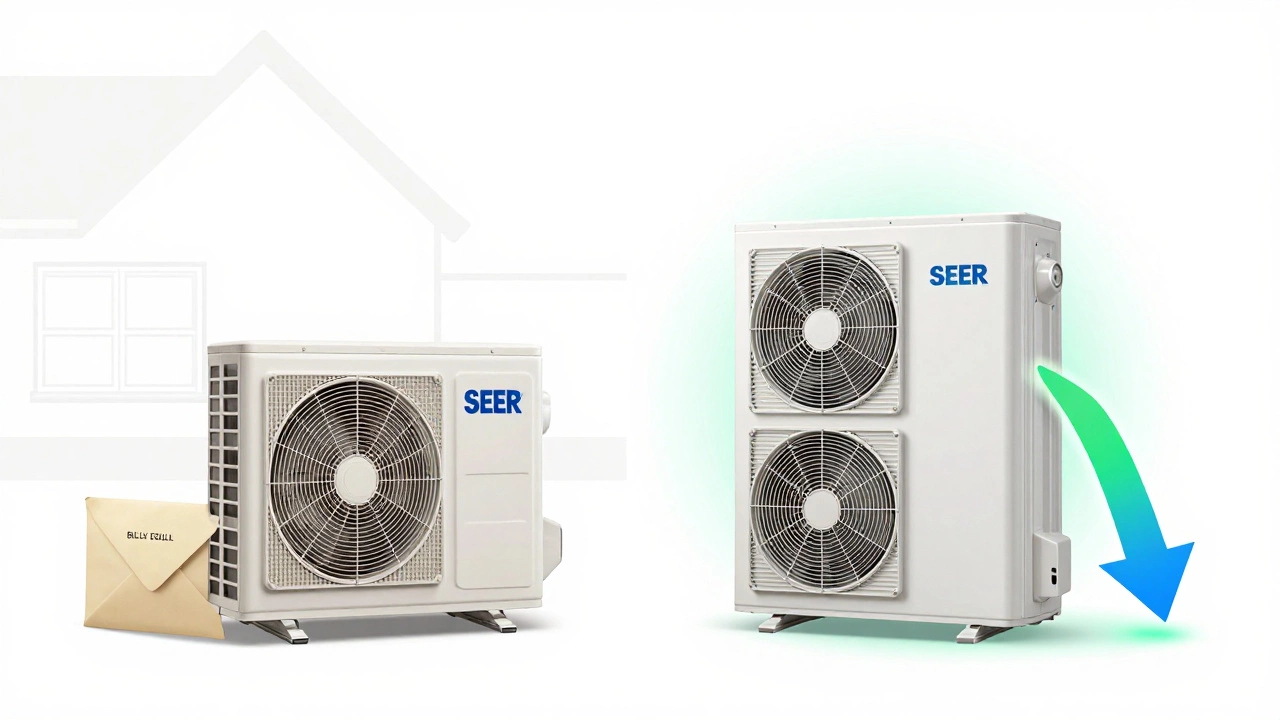
Deciding when to replace a heat pump comes down to math. If your unit is older than 10 years and needs a major repair costing more than $1,000, replacement is usually smarter. New heat pumps are significantly more efficient. Older units might have a Seasonal Energy Efficiency Ratio (SEER) of 13, while modern models offer SEER ratings of 16 to 20. That efficiency gain cuts your electricity bill by 20% to 40%, paying for the new unit over time.
Consider the technology shift too. Modern heat pumps use R-410A or newer R-454B refrigerants, which are better for the environment and more efficient than the older R-22 gas found in units built before 2010. If your unit uses R-22, repairs are incredibly expensive because the refrigerant is phased out and scarce.
| Age of Unit | Condition | Recommended Action |
|---|---|---|
| 0-5 years | Under warranty | Repair. Keep up with maintenance. |
| 6-10 years | Minor issues | Repair if cost is low. Consider upgrading if efficiency is poor. |
| 11-15 years | Frequent repairs | Evaluate replacement. Compare repair costs vs. new unit savings. |
| 15+ years | Major component failure | Replace. Efficiency gains will offset costs quickly. |
Impact of Climate on Lifespan
Your location matters immensely. Heat pumps work best in mild climates. In extreme cold, they struggle to extract heat from the air, forcing the backup electric strips to run constantly. This doubles the electrical load and wears out components faster. In Toronto, hybrid systems-combining a heat pump with a gas furnace-are becoming popular because they switch to gas when it gets too cold, sparing the heat pump from excessive strain.
Humidity also plays a role. High humidity in summer causes corrosion on metal parts if the drainage isn't perfect. Salt air near coastal areas accelerates rusting. While Toronto isn't coastal, our freeze-thaw cycles create expansion and contraction stresses on pipes and coils that dry climates don't experience.
Choosing a Replacement Model
If you decide to replace your unit, look for models with a high SEER rating and a good Heating Seasonal Performance Factor (HSPF). Variable-speed compressors are worth the extra cost because they adjust output to match demand, running smoother and longer than single-stage units that blast on and off. Brands like Mitsubishi, Daikin, and Trane offer robust warranties and proven durability in Canadian climates.
Also, ensure the new unit is properly sized. A common mistake is buying a larger unit thinking it will heat faster. Oversized units short-cycle, leading to the same premature failure issues mentioned earlier. A professional load calculation (Manual J) determines the exact capacity your home needs.
Can I extend my heat pump's lifespan beyond 20 years?
Yes, but it requires diligent maintenance. Regular filter changes, annual professional servicing, and protecting the outdoor unit from debris and ice can push a high-quality unit past the 20-year mark. However, efficiency will drop, meaning higher energy bills even if the unit still runs.
Is it worth repairing a 15-year-old heat pump?
It depends on the repair cost. As a rule of thumb, if the repair costs more than half the price of a new unit, replacement is usually the better financial decision. Newer models are much more efficient, saving you money on electricity that offsets the upfront cost.
Do heat pumps last longer in summer or winter?
Heat pumps generally face more stress in winter. Extracting heat from cold air is harder than removing heat from warm air. In very cold climates, the frequent use of backup electric heaters adds significant wear to the electrical components, potentially shortening the lifespan compared to mild-climate usage.
How does humidity affect heat pump longevity?
High humidity can lead to corrosion and mold growth inside the unit if drainage is poor. It also makes the cooling process more intensive in summer. Ensuring the condensate drain line is clear and the coils are clean prevents moisture-related damage that can shorten the unit's life.
What is the difference between SEER and HSPF ratings?
SEER measures cooling efficiency, while HSPF measures heating efficiency. For a heat pump, both matter. A higher SEER means lower electricity costs in summer, and a higher HSPF means better performance in winter. Look for balanced high numbers in both for optimal year-round performance.