

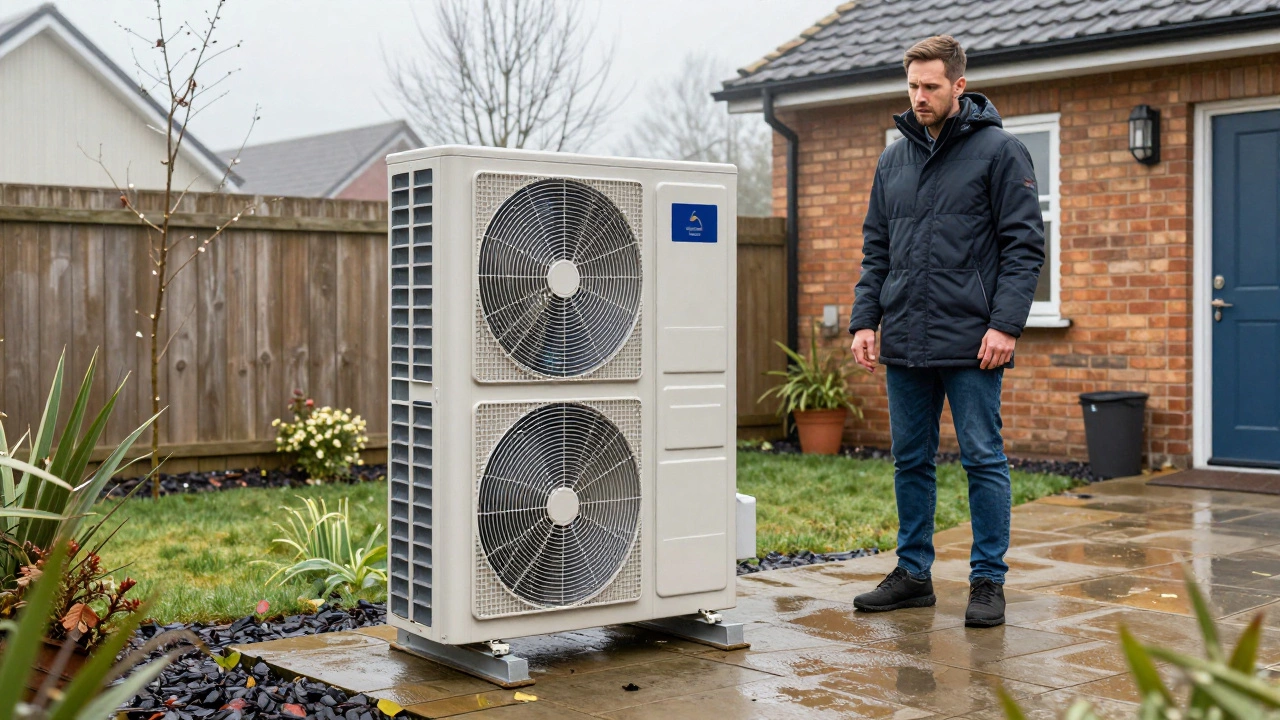
Heat Pump Compressor Replacement Cost Guide (2026)
 Apr, 16 2026
Heat Pump Compressor Cost Estimator
Estimated Total: $0
Calculating parts and labor...
💡 Expert Recommendation:
Quick Price Breakdown
- Average Total Cost: $2,000 - $3,500
- Part Cost: $600 - $2,000
- Labor Cost: $500 - $1,500
- Timeline: 4 to 8 hours of work
- Life Expectancy: 10-15 years for a new compressor
What Exactly Is a Heat Pump Compressor?
To understand the cost, it helps to know what the part actually does. Think of the compressor is the heart of your heat pump system, responsible for pumping refrigerant throughout the coils to move heat in or out of your home. It's a heavy-duty pump located in the outdoor unit. Because it handles high pressures and constant mechanical friction, it's one of the most stressed components in your HVAC Heating, Ventilation, and Air Conditioning system.
When a compressor fails, the entire system stops. You can't just "bypass" it or patch it up with a quick fix. It's a full-stop failure that requires a professional to swap the old unit for a new one, evacuate the lines, and recharge the system with refrigerant.
Breaking Down the Costs: Parts vs. Labor
Your final invoice isn't just for the piece of metal being dropped into your backyard. There are several layers to the pricing.
The Cost of the Compressor Part
The part itself varies wildly. A basic unit for a small cottage might cost $600, while a high-efficiency, multi-stage compressor for a 4,000-square-foot home can easily hit $2,000. Factors like the SEER rating (Seasonal Energy Efficiency Ratio) play a big role here. If you have a high-efficiency model, the replacement part will be more expensive but will save you more on monthly energy bills.
Labor and Technical Expertise
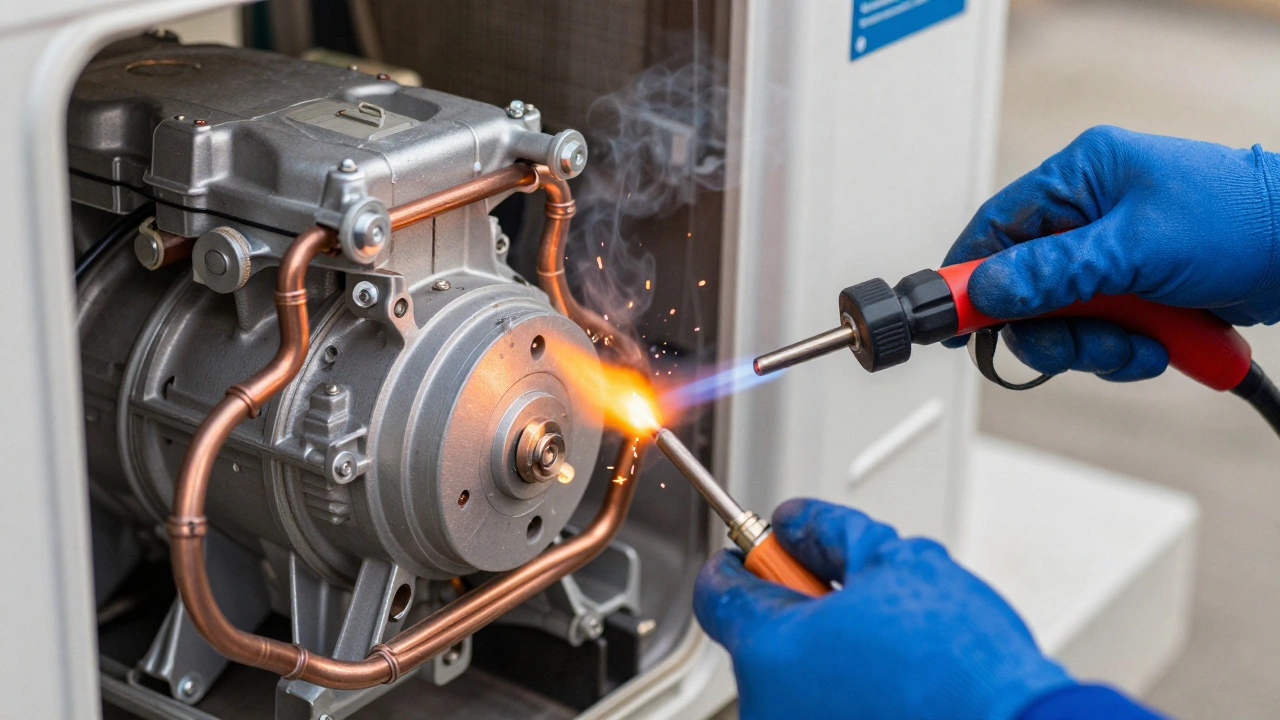
Replacing a compressor isn't as simple as changing a tire. A licensed technician has to recover the old refrigerant-which is a regulated process-cut the copper lines, weld in the new compressor using a torch, and then vacuum the system to remove moisture and air. This process usually takes a full day. Labor costs typically run between $500 and $1,500 depending on whether you're in a high-cost city like Toronto or a smaller town.
Refrigerant Charges
This is where the bill often spikes. Older systems used R-22 refrigerant an older, ozone-depleting chlorodifluoromethane gas, which is now incredibly expensive because it's no longer produced. If your system uses R-22, the cost of the gas alone can be several hundred dollars. Modern systems use R-410A a hydrofluorocarbon blend used in newer heat pumps or the latest R-32 variants, which are more affordable and environmentally friendly.
| System Type | Estimated Part Cost | Estimated Labor | Total Estimated Cost |
|---|---|---|---|
| Single-Stage (Basic) | $600 - $1,200 | $600 - $1,000 | $1,200 - $2,200 |
| Two-Stage (Mid-Range) | $1,000 - $1,800 | $800 - $1,200 | $1,800 - $3,000 |
| Variable Speed (High-End) | $1,500 - $2,500 | $1,000 - $1,500 | $2,500 - $4,000+ |
Why Do Compressors Fail?
Knowing why it happened can help you avoid paying for another one in five years. Most failures fall into three buckets: age, electrical issues, or lack of maintenance.
- Hard Starting: If your capacitor an electrical component that stores energy to help the compressor start fails, the compressor has to work way harder to kick on. Over time, this burns out the motor windings.
- Dirty Coils: When the outdoor coils are clogged with dirt or leaves, the system can't release heat efficiently. This causes the compressor to run hot, breaking down the lubrication oil and leading to mechanical seizure.
- Refrigerant Leaks: If your system is low on gas, the compressor has to run longer and harder to reach the desired temperature. It also relies on the refrigerant to keep the motor cool. No gas = overheating.
Repair vs. Replace: The $5,000 Question
When you're faced with a $3,000 repair bill on a 12-year-old unit, you have to ask: is this a smart investment?
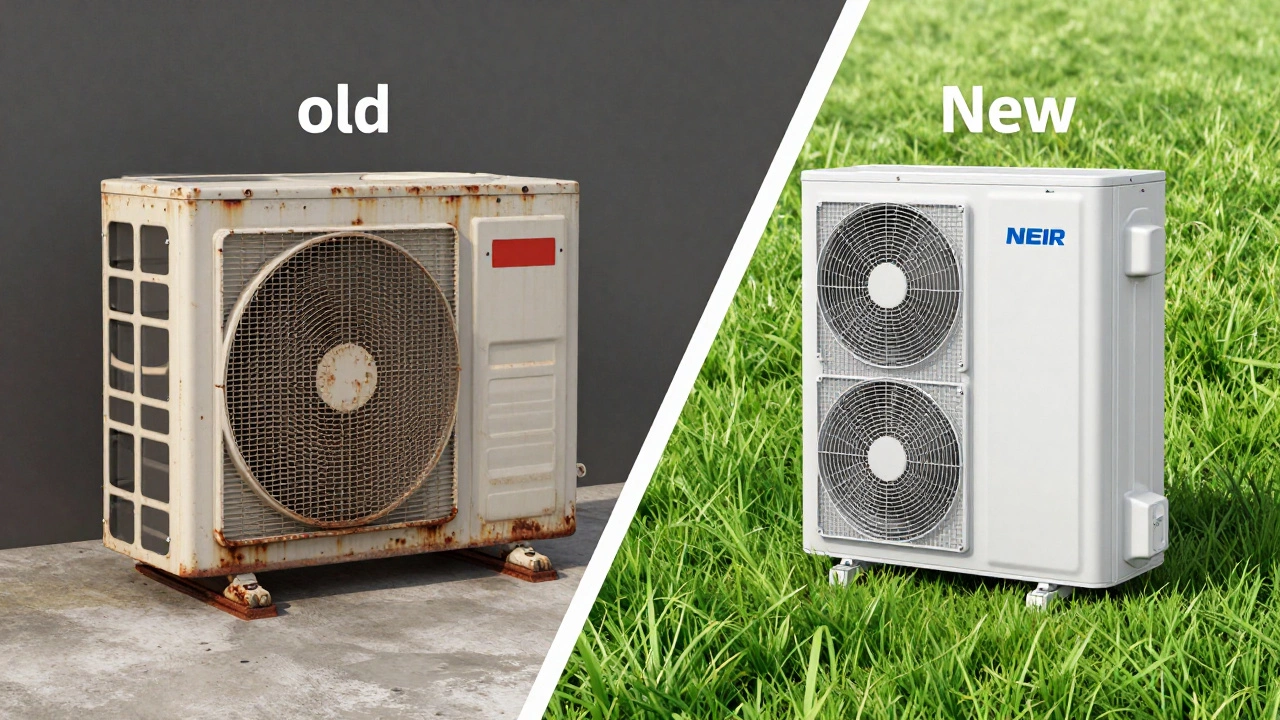
Generally, if your system is more than 10 to 12 years old, replacing the compressor is often a gamble. Even with a new compressor, you still have old coils, an old fan motor, and aged insulation. You might spend $3,000 today and then have the evaporator coil leak next winter.
On the flip side, if your unit is only 5 years old and still under a parts warranty, a replacement is a no-brainer. Most manufacturers provide a 5 to 10-year warranty on the compressor. In this case, you only pay for the labor and refrigerant, which could drop your bill from $3,000 down to $1,000.
Steps to Get the Best Price
- Check Your Warranty: Look for the sticker on your outdoor unit. Find the model and serial number and call the manufacturer. You might be surprised to find the part is free.
- Get Three Quotes: HVAC pricing is not standardized. One company might charge $800 for labor, while another charges $1,500 for the exact same job.
- Ask About "Hard Start Kits": If you're replacing the compressor, ask the tech to install a hard start kit. It's a small capacitor that reduces the strain on the new compressor during startup, potentially extending its life.
- Verify the Refrigerant: Ensure the technician is using the correct gas and that they are properly vacuuming the system. A "shortcut" install that leaves air in the lines will kill your new compressor in a year.
What Happens During the Replacement Process?
If you hire a pro, here is what the day should look like. First, they will perform a recovery process, using a machine to suck the old refrigerant out of your system so it doesn't leak into the atmosphere. Then, they'll remove the dead compressor and braze (solder) the new one into place.
The most critical step is the triple evacuation. They use a vacuum pump to remove all air and moisture. If they skip this, moisture reacts with the refrigerant to create acid, which eats the copper piping from the inside out. Finally, they charge the system with a precise amount of refrigerant, checking the pressures to ensure the system is balanced.
Can I replace the compressor myself?
Almost certainly not. Replacing a compressor requires a torch for brazing copper lines and a specialized vacuum pump to clear the system. More importantly, handling refrigerant requires a legal certification (like an EPA 608 license in the US or similar regional certifications in Canada). Venting refrigerant into the air is illegal and carries heavy fines.
How long does a new compressor last?
A well-maintained compressor can last 10 to 15 years. To maximize this, keep your outdoor unit clear of debris, change your indoor air filters every 3 months, and have a professional tune-up once a year to check refrigerant levels.
Why is the labor so expensive for such a simple part?
It's not a "plug and play" part. The process involves hazardous materials (refrigerants), high-heat welding, and precision pressure testing. You are paying for the specialized equipment and the license required to handle the gases safely.
Will a new compressor lower my electricity bill?
If you're replacing an old, struggling compressor with a modern, high-efficiency model, you may see a slight drop in energy use. However, if you keep the same overall system, the efficiency is mostly limited by your coils and ductwork. A full system upgrade is the only way to see a dramatic drop in bills.
Is there a cheaper alternative to replacing the compressor?
If the compressor is electrically "grounded" or mechanically "seized," there is no cheaper alternative-it must be replaced. However, sometimes a compressor seems dead but is actually just a failed start capacitor. A $200 capacitor replacement can sometimes "save" a compressor that simply couldn't start.
Next Steps After a Failure
If you've just been told your compressor is dead, don't panic and sign the first contract you see. Start by finding your system's manual or the sticker on the side of the outdoor unit to check the manufacture date. If the unit is under 7 years old, call the manufacturer first. If it's over 12 years old, use the money you would have spent on the repair as a down payment for a new, energy-efficient heat pump, which will likely pay for itself in energy savings over the next few years.