

Do Plumbers Change Boilers? What You Need to Know Before Calling a Pro
 Dec, 18 2025
Boiler Replacement Cost Estimator
Estimate your boiler replacement costs in Ontario with this tool. Note: These are approximate figures based on current market rates. Actual costs may vary depending on your specific home and requirements.
If your boiler is making strange noises, leaking water, or just won’t turn on anymore, you’re probably wondering: do plumbers change boilers? The short answer is yes - but not all plumbers can do it safely or legally. In Canada, especially in places like Toronto where cold winters put heavy demands on heating systems, getting the right person for the job isn’t just about convenience. It’s about safety, code compliance, and avoiding costly mistakes.
Not All Plumbers Are Created Equal
Plumbing and boiler work might seem similar - both involve pipes, water, and pressure - but they’re different trades with different certifications. A standard plumber can fix a leaky faucet, unclog a drain, or install a new sink. But replacing a boiler? That’s a whole different level.In Ontario, only plumbers who are licensed by the Technical Standards and Safety Authority (TSSA) as Gas Fitters can legally install or replace gas-fired boilers. That means they’ve passed specific exams, completed apprenticeships in gas systems, and carry liability insurance for gas work. If someone claims to be a plumber and says they can swap out your boiler but doesn’t mention gas fitting certification, they’re not qualified.
Same goes for electric boilers. Even though they don’t burn gas, they still require electrical knowledge and adherence to the Ontario Electrical Safety Code. Some plumbers work with electricians on these jobs, but not all have the training. Always ask: Are you licensed to work on gas or electric boilers in Ontario?
What’s Involved in a Boiler Replacement?
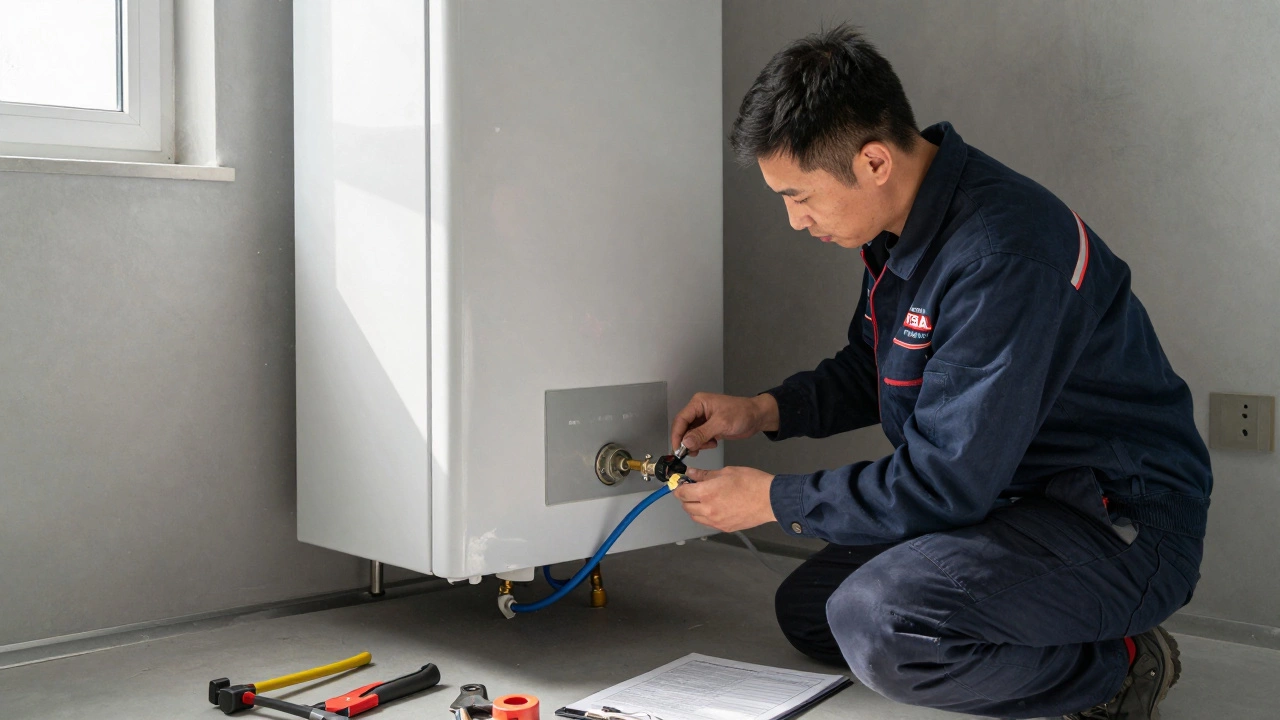
Replacing a boiler isn’t like swapping out a light fixture. It’s a multi-step process that requires precision and experience:- Shutting off gas or electricity and draining the system
- Removing the old unit - which can weigh over 100 pounds and be bolted to the wall or floor
- Checking the flue, venting, and condensate drain for compatibility
- Installing the new boiler with proper clearances and supports
- Connecting gas lines (if gas-fired) or electrical circuits (if electric)
- Pressure testing the system for leaks
- Setting up controls, thermostats, and safety features
- Final inspection and certification by TSSA (required for gas boilers)
Most homeowners don’t realize that the boiler itself is only part of the job. The flue, piping, controls, and even the radiator layout need to match the new unit’s specs. A mismatched system can lead to inefficient heating, condensation damage, or even carbon monoxide risks.
Why You Shouldn’t DIY a Boiler Swap
You might think, “I’m handy. I can do this.” But boilers aren’t like assembling IKEA furniture. Gas boilers operate under pressure and burn fuel - one mistake and you’re risking fire, explosion, or deadly carbon monoxide poisoning. In 2024, Toronto Fire Services responded to 87 incidents related to faulty gas appliances - nearly half involved boilers or water heaters.Even if you manage to install it yourself, you won’t get a legal certificate. That means:
- Your home insurance could deny a claim if a boiler-related fire happens
- You won’t be able to sell your house without proof of code-compliant installation
- You’ll void the manufacturer’s warranty
Plus, most boiler manufacturers require professional installation for their 10-year warranties to be valid. Skip the certified pro, and you’re paying full price for a warranty that doesn’t exist.

How to Pick the Right Pro
Not every company that says “boiler repair” can replace one. Here’s how to make sure you’re hiring someone who actually knows what they’re doing:- Check for TSSA Gas Fitter License (Level 1 or 2) - ask for the license number and verify it on the TSSA website (you can do this right on your phone)
- Ask if they handle both installation and certification - not all repair techs are authorized to sign off on new installs
- Look for companies that specialize in boilers, not just general plumbing
- Request a written quote that includes removal of the old unit, disposal fees, and TSSA inspection fees
- Ask for references or photos of past boiler installs - real jobs, not stock images
Some companies offer free in-home assessments. Use that to your advantage. A good technician will inspect your current system, check the flue, measure space, and explain why one model fits your home better than another. If they push a specific brand without asking about your usage, heating needs, or budget - walk away.
Boiler Types and What Plumbers Recommend
In Toronto’s climate, most homes use one of three types of boilers:| Type | Best For | Efficiency | Installation Complexity |
|---|---|---|---|
| Combi Boiler | Small to medium homes, limited space | 90-95% | Low to Medium |
| Regular (Conventional) Boiler | Larger homes with multiple bathrooms | 85-92% | High |
| Condensing Boiler | New builds or major upgrades | 90-98% | Medium |
Most professionals today recommend condensing boilers because they recover heat from exhaust gases, cutting fuel use by up to 30%. They’re also required by Ontario building codes for new installations since 2022. A qualified plumber will explain why a combi boiler might be better for your 1,200-square-foot condo, while a regular boiler suits a 3,000-square-foot house with three bathrooms.
Costs You Should Expect in 2025
A boiler replacement in Toronto isn’t cheap, but it’s a one-time investment that lasts 15-20 years. Here’s what you’re likely to pay:- Boiler unit only: $1,800-$4,500 (depending on brand and type)
- Installation labor: $1,500-$3,000
- Removal and disposal: $200-$500
- TSSA inspection fee: $150-$300 (paid to the authority, not the contractor)
- Upgrades (pipes, flue, controls): $500-$2,000
That brings the total to roughly $4,000-$10,000. Prices vary based on your home’s age, boiler location, and whether you’re upgrading from an old, inefficient model. Some utility companies like Enbridge offer rebates up to $1,000 for high-efficiency boilers - ask your installer if they handle rebate applications.
Signs It’s Time to Replace - Not Repair
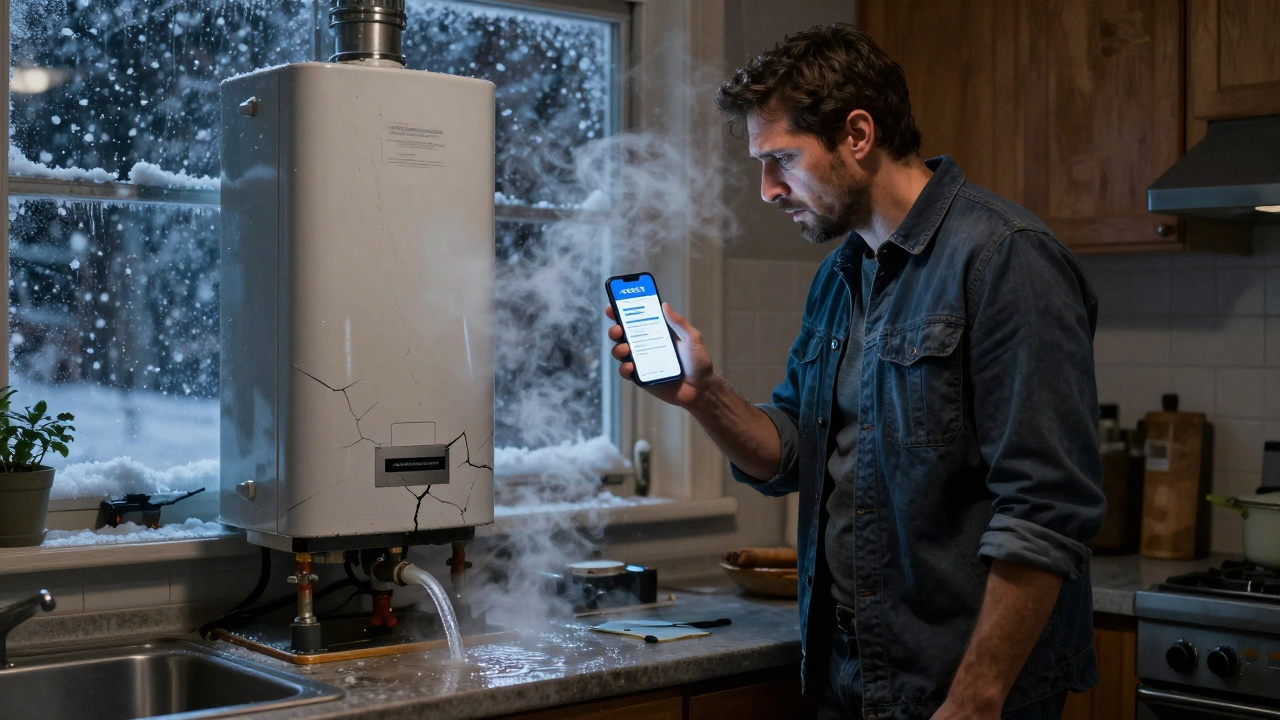
Before you call someone, ask yourself: Is this a repair job or a replacement?- Boiler is over 15 years old - even if it still works, efficiency drops sharply after 10
- It’s making banging, gurgling, or whistling noises - often signs of internal corrosion or limescale
- Water is leaking from the unit or pipes connected to it
- Heating is uneven or takes too long to warm up
- Your gas bills have jumped 20%+ in the last year with no change in usage
- The manufacturer stopped making parts for your model
If two or more of these apply, replacement is smarter than repair. A $500 fix today might cost you $2,000 in repairs next winter - and you’ll still be stuck with an outdated, inefficient system.
What Happens After Installation?
A good installer won’t just leave after hooking up the boiler. They should:- Explain how to use the thermostat and reset buttons
- Give you the warranty documents and TSSA certificate
- Provide a maintenance schedule - most boilers need an annual check-up
- Answer your questions without rushing you
Don’t skip the annual service. It’s not optional. Skipping it can void your warranty and lead to hidden problems like gas leaks or cracked heat exchangers. Most plumbers offer service plans - think of them like car maintenance, but for your home’s lifeline.
Final Word: Trust the License, Not the Price
The cheapest quote isn’t always the best. A $3,000 boiler install might look tempting, but if the person isn’t licensed to work on gas systems, you’re gambling with your family’s safety. Always verify credentials. Ask for proof. Check TSSA’s online database. Read reviews from local homeowners - not just star ratings, but actual comments about reliability and professionalism.When your boiler fails in January, you don’t want to be Googling “how to turn off gas valve” at 2 a.m. You want someone who’s been there before - someone who knows the code, has the tools, and won’t cut corners.
So yes - plumbers can change boilers. But only the ones with the right license. Don’t assume. Don’t guess. Ask. Verify. Then proceed.
Can any plumber install a boiler?
No. Only plumbers who are licensed as Gas Fitters by the TSSA can legally install gas boilers in Ontario. Electric boiler installations also require specific electrical certifications. Always ask for their license number and verify it on the TSSA website.
How long does a boiler replacement take?
Most boiler replacements take one full day - about 6 to 8 hours. If your system needs new pipes, flues, or controls, it could take two days. Complex setups in older homes may take longer. A reputable company will give you a clear timeline before starting.
Do I need a permit to replace my boiler?
Yes. In Ontario, all gas boiler installations require a permit and final inspection by the TSSA. A licensed contractor handles this for you - you don’t need to apply yourself. Never agree to an install that skips this step.
Can I get a rebate for a new boiler?
Yes. Enbridge and other utility providers in Ontario offer rebates up to $1,000 for high-efficiency condensing boilers. Your installer should know about current programs and help you apply. Some municipalities also offer additional incentives for energy-efficient upgrades.
How often should I service my new boiler?
Once a year. Annual servicing keeps your boiler running efficiently, prevents costly breakdowns, and maintains your warranty. Most manufacturers require proof of annual maintenance to honor warranty claims. Look for a service plan that includes safety checks, cleaning, and performance testing.