

Can You Use the Toilet During Boiler Replacement? Essential Guide
 Mar, 26 2026
Boiler Replacement Impact Checker
1Assess Your Risk Level
3Readiness Status
Run assessment to see details
Based on Toronto plumbing standards.
You need to flush the toilet. The technicians are installing the new unit. Will the house stay functional while the old boiler gets swapped out? This situation creates stress for homeowners. You cannot rely on assumptions when your daily routine hangs in the balance. The short answer is yes, you can usually use the toilet during boiler replacement projects. Most toilets connect directly to the cold water supply, independent of the heating system. However, there are exceptions that depend entirely on your specific plumbing layout and the contractor’s timeline.
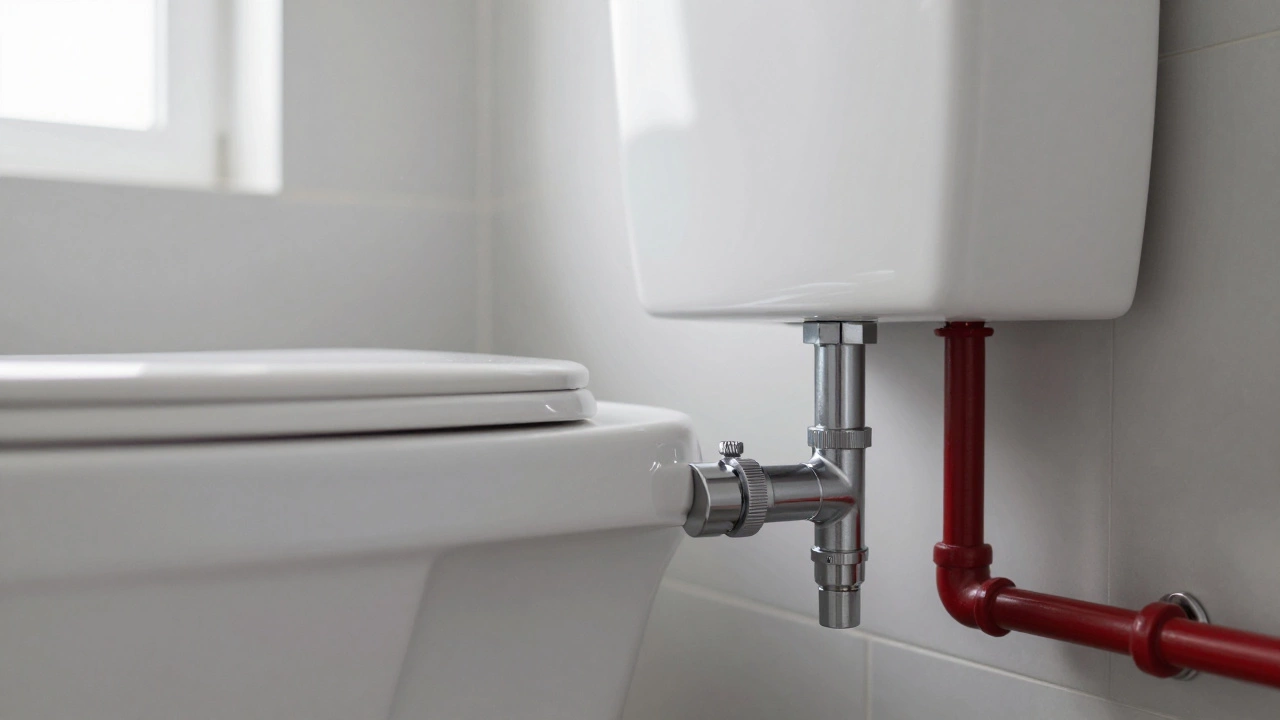
Understanding the difference between hot and cold water lines solves most anxiety. In many modern homes, particularly those built in Toronto or similar regions since the 1970s, the toilet cistern connects to the fresh cold water line entering the property. The boiler, on the other hand, heats water for radiators and taps. As long as the plumbers do not turn off the main water isolator, your lavatory should remain operational. Technicians often isolate just the gas line and the heating circuits to keep the rest of the home’s water running.
Understanding Your Plumbing Layout
To know what to expect, you need to understand how water flows inside your walls. Every home has a main stopcock. This valve controls the flow of fresh water into the building. When a plumber arrives to swap a unit, their primary concern is safety. They will shut off the gas supply immediately. Water valves are a different story. Some contractors prefer shutting down the entire water supply to prevent accidental flooding while working near riser pipes. Others simply cap the heating loops.
| Utility | Status During Replacement | Condition Required |
|---|---|---|
| Toilet Flush | Usually Available | Cold water main open |
| Hot Tap | Unavailable | Boiler offline |
| Radiators | Cold / Off | Heating system disconnected |
| Dishwasher | Varies | Depends on shared water line |
In older properties, the setup changes significantly. Many pre-war buildings utilize a high-level cistern in the loft space. If this tank feeds the entire house’s cold water, and the installation crew needs to move the feed pipe to access the boiler, flushing might become impossible temporarily. The engineer might need to drop the pressure to drain the old cylinder. In these cases, the water stops completely until the new pipework is sealed.
When You Cannot Use the Toilet
There are specific scenarios where the bathroom becomes unusable. First, check if your home uses a pressurized combi system. These units draw directly from the mains pressure. If the contractor installs a new unvented cylinder, they may need to switch to a pumped system. This conversion often requires a full shutdown of the incoming cold feed to install the expansion vessel or storage tank.
Second, consider the duration of the job. A standard swap takes 6 to 8 hours for experienced pros. Sometimes, unforeseen issues extend this to two days. Gas leaks or corrosion discovery might delay reconnection. If the job spills past dinner time, you likely won’t get your water back before morning. You should plan ahead for this possibility.
Third, look at the location of the works. If the boiler sits in the kitchen under the sink, the toilet nearby might lose pressure due to vibration or temporary pipe relocation. In tight spaces like utility cupboards, workers might block access physically. Always confirm which fixtures will lose access before signing the quote.
Questions to Ask Your Plumber
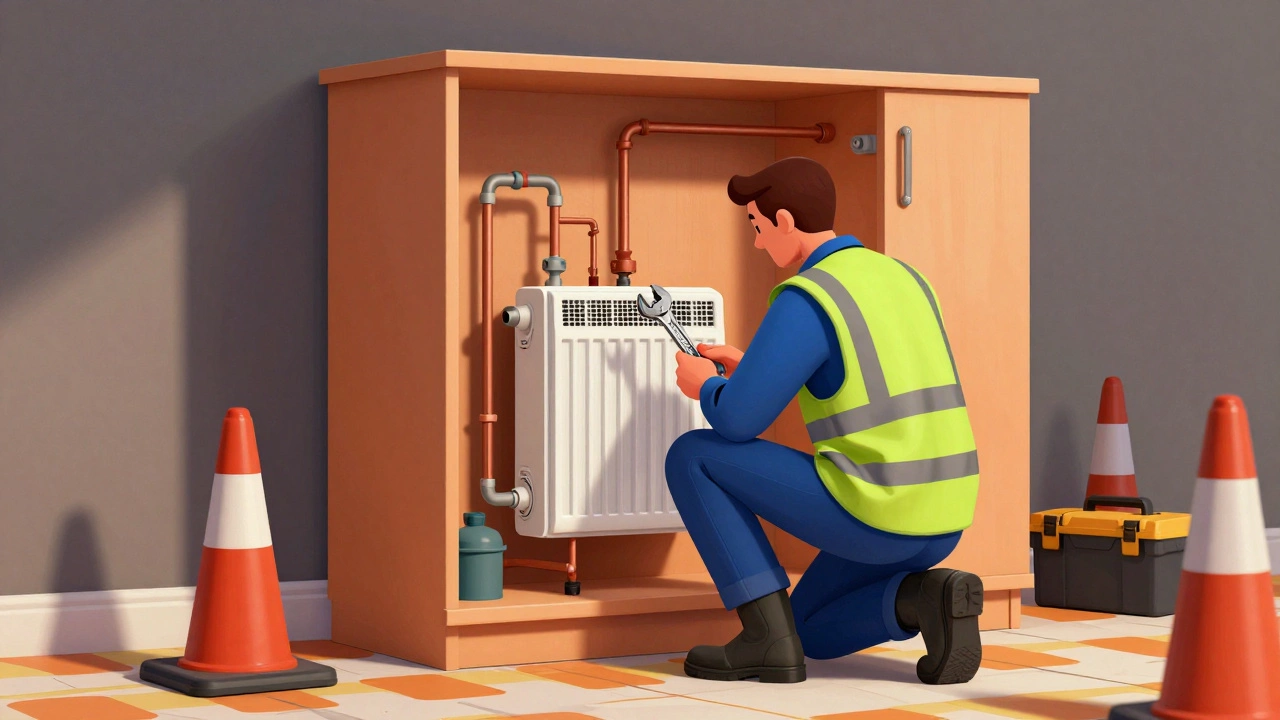
Communication prevents surprises. You need to treat the appointment confirmation call as a vital step. Ask them directly if they will shut off the mains water valve. Experienced technicians often have bypass setups that allow limited water use while fitting the manifold. If they lack this equipment, ask if they can schedule the work for a weekend when you are away to minimize disruption.
Ask about the “commissioning” phase. After connecting pipes, the system fills up. This process releases air from the radiators. Sometimes, trapped air travels back to the tap lines. Flushing might happen slowly or irregularly until the system stabilizes. Verify if the team checks every fixture before leaving the site. A professional should test sinks and showers to ensure water returns safely.
Managing Daily Routine During Installation
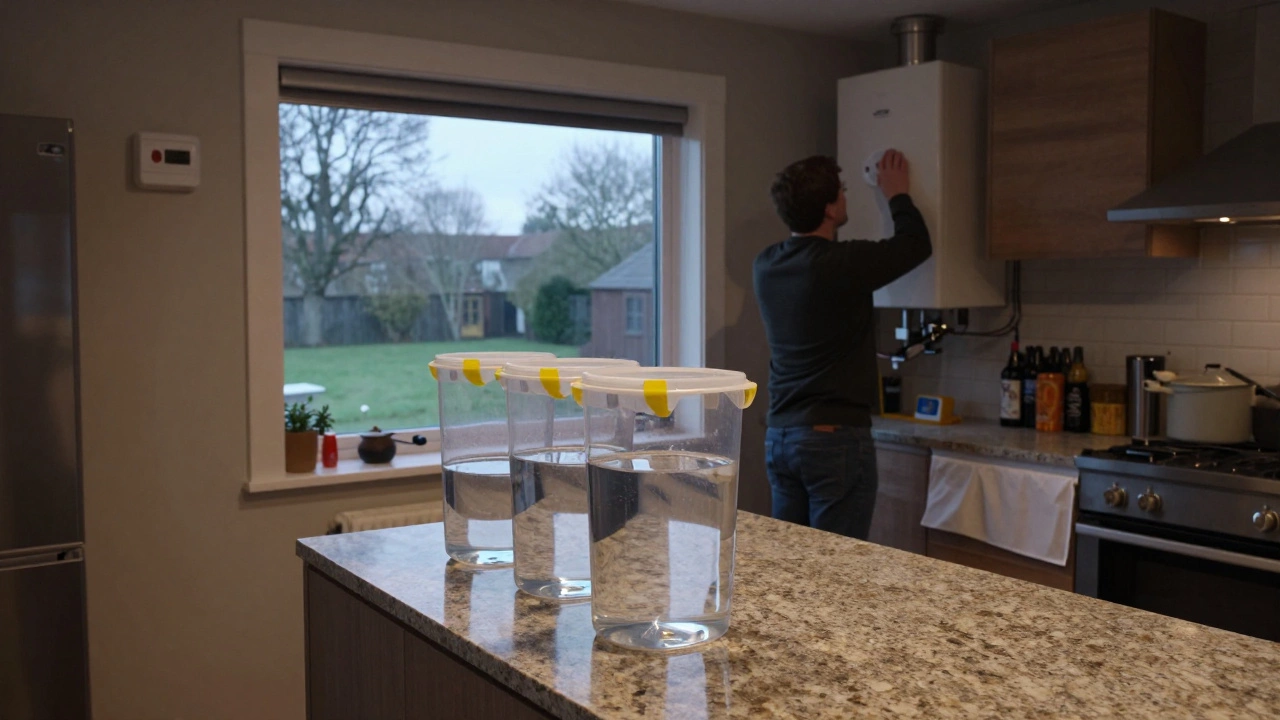
Preparation protects your hygiene routines. Before the crew arrives, empty a few large containers with drinking water. Fill them enough for flushing if needed, or for a basic emergency bucket flush. You might need to pour water manually into the bowl to trigger the siphon action if the supply dries up unexpectedly.
Tell everyone in the household to avoid using hot taps. Even if the boiler is dead, residual heat might burn skin, or sudden pressure surges could leak into the new piping. Keep children away from the work zone. Dust generation is common when drilling walls for new venting pipes. Cover furniture and seal doorways to prevent settling dust from spreading to the living areas.
Safety Considerations in Spring
We are approaching late March in Ontario. Weather remains unpredictable. Plumbers wear boots and jackets, but water damage risks persist. Condensation forms quickly when new copper pipes meet cold air. Workers must adhere to strict safety regulations regarding gas detection. Never let anyone smoke near the unit installation point. Carbon monoxide alarms must remain active throughout the process. Even if you disconnect the old unit, ensure detectors stay powered.
Ventilation is another critical factor. Old boilers sometimes had flues routed differently than modern condensing models. New exhaust pipes require specific clearances. If the route changes, it means more wall work. This increases the chance of temporary drywall removal or window opening. Expect some cold drafts in the hallway. Bring extra towels and blankets to manage temperature shifts if the heating stays off longer than expected.
Handling Unexpected Delays
Things go wrong sometimes. A corroded connection might fail during draining. Parts ordered online might be delayed at the warehouse. You should always assume the water will be off for the scheduled window plus one hour. Plan to run errands or work elsewhere during the peak disruption period. Having a neighbor nearby helps if you need to leave and lock the house while they troubleshoot.
If the job extends beyond 24 hours, negotiate accommodation or alternative heating. Temporary electric heaters help, but gas engineers cannot run them indefinitely without proper clearance. In extreme cold snaps, freezing pipes pose a danger. If the weather forecast predicts temperatures below -5C overnight, try to finish the installation earlier in the week.
Will the toilet work immediately after the new boiler is installed?
Yes, once the engineer turns the mains water back on and purges the lines, your toilet should flush normally. Air pockets might cause a weak flush initially, but running the water tap a few times usually clears this within ten minutes.
Do I need to drain my own toilets before they start?
No, the plumber handles draining the radiator loops. You should not touch the system yourself. However, flushing the toilet right before they arrive ensures the tank is empty of sediment that might spill during the shut-off.
Is there a cost if I need water immediately for guests?
Standard quotes include full water isolation. If you request a specialized bypass setup to keep water on during the entire process, it may incur an extra charge for labor and parts. Discuss this preference before booking.
What happens if they break a pipe connected to the toilet?
Licensed professionals carry insurance for accidental damage. If a wrench slips and cracks a PVC line, they are responsible for fixing it immediately at no cost to you. Document any visible damage before they leave.
Can I shower if the toilet is working?
You might, depending on the setup. Showers often rely on the same hot water source as the boiler. If the boiler is the only heater for your showers, you likely cannot shower. Toilets usually function on cold water, so they work independently.