

Can You Repair a Washing Machine Yourself? A Practical Guide for 2026
 Mar, 29 2026
Have you just seen a Washing Machine is a home appliance used to wash clothes using water and detergent. sitting in your laundry room refusing to drain, and your mind instantly jumps to the cost of a professional call-out fee? In 2026, with service rates climbing and supply chains stabilizing, asking "can I do this myself" makes more financial sense than ever before. The honest answer isn't a simple yes or no; it depends entirely on where the problem lies inside the unit. While swapping a clogged filter takes ten minutes, touching the main control board requires specialized training to avoid voiding warranties or causing electrical fires.
You need to understand the boundary between a quick home fix and a hazardous job. Many modern machines feature self-diagnostic systems, meaning they tell you exactly what component failed via an error code. If the machine throws an "LE" error related to the motor tachometer, pulling a plug won't fix the internal electronics. However, if your heavy cottons are coming out soaking wet, the issue is often mechanical and accessible. Let's walk through the reality of doing your own Appliance Repair involves restoring functionality to broken household devices so you can save cash without risking injury.
Safety Before You Start Any Job
Before touching a single screw, you must respect the two biggest hazards involved with laundry equipment: water and electricity. Even when unplugged, capacitors inside the power board can hold a charge capable of giving you a nasty shock. Always cut the power at the circuit breaker, not just the outlet switch. Check the water inlet valves too; leaving them open while you disconnect the back can flood your basement or kitchen.
If you aren't comfortable working near live electrical components, stop immediately. Some components like the Drum Motor is the electric engine that spins the inner tub. require you to run diagnostics while the cover is off. That exposes you to moving metal parts. Wear heavy-duty gloves to protect against sharp edges on the chassis and rubber boots for insulation when near drainage areas. Remember, insurance doesn't pay out for injuries sustained during unauthorized work in most Canadian jurisdictions.
The DIY Friendly Fix List
Not every breakdown requires a PhD in engineering. Manufacturers design certain access points specifically for owners to maintain performance. Here are the most common jobs you can safely tackle:
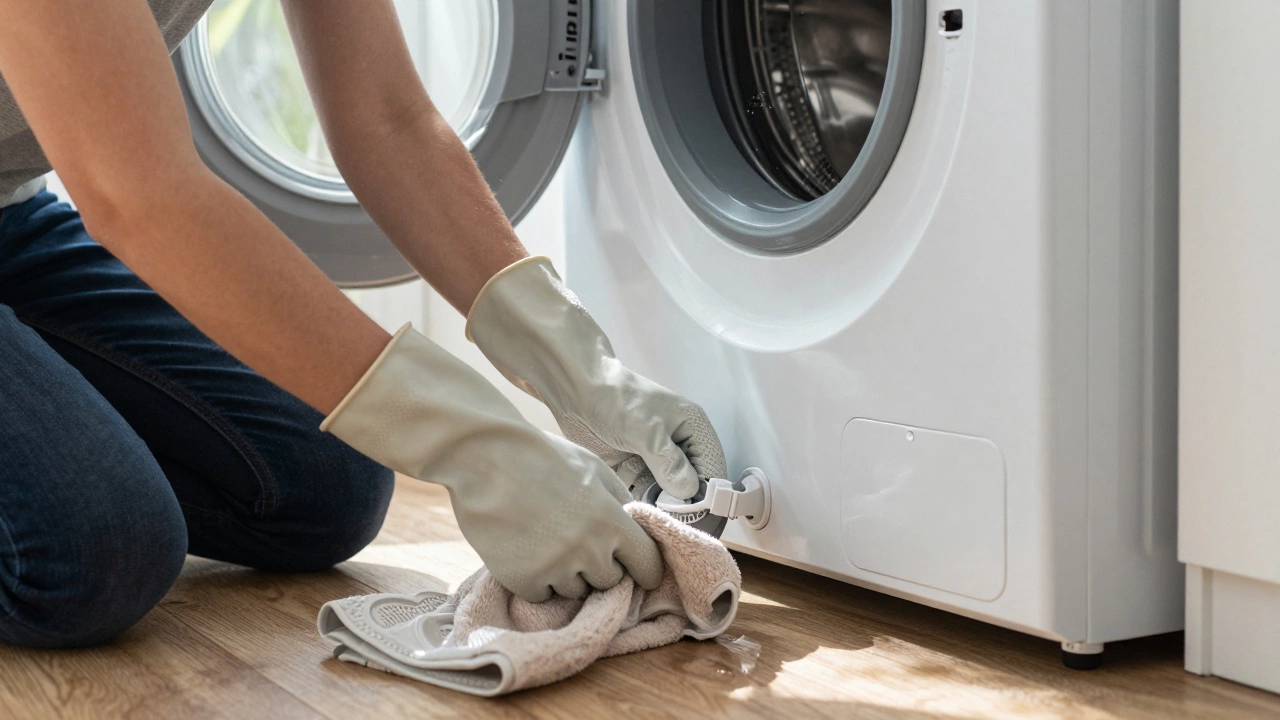
- Cleaning the Pump Filter: Most front-loaders have a small door at the bottom. Debris like coins or bra underwire gets stuck here, blocking the pump. Put a towel down, unscrew the cap slowly, clear the junk, and tighten it back up.
- Replacing Hoses: If you see spraying from the inlet or drain, swap the rubber hoses. They degrade over 10 years. Look for kinks or bulging walls. Use new washers on the connections to prevent future seepage.
- Adjusting Level Legs: Excessive vibration usually means the feet aren't locked into place. Tilt the cabinet slightly, screw the legs in tight against the floor, and test again.
- Clearing Lint Filters: For top loaders, remove the mesh screen around the agitator. A buildup here restricts flow and causes long cycle times.
- Tightening Door Seals: Front-loaders sometimes develop odors because the bellows get moldy. Wiping the gasket regularly prevents rotting smells.
If these basic tasks don't solve your problem, you move into territory where you need actual tools. Simply opening the back panel reveals high-voltage wiring. Unless you have a Multimeter is an electronic device for measuring voltage, current, and resistance., you won't know if a sensor is dead or just disconnected. Without reading continuity, you might replace a part only to find the real culprit was a blown fuse hidden in the back.
Tools Every Home Mechanic Needs
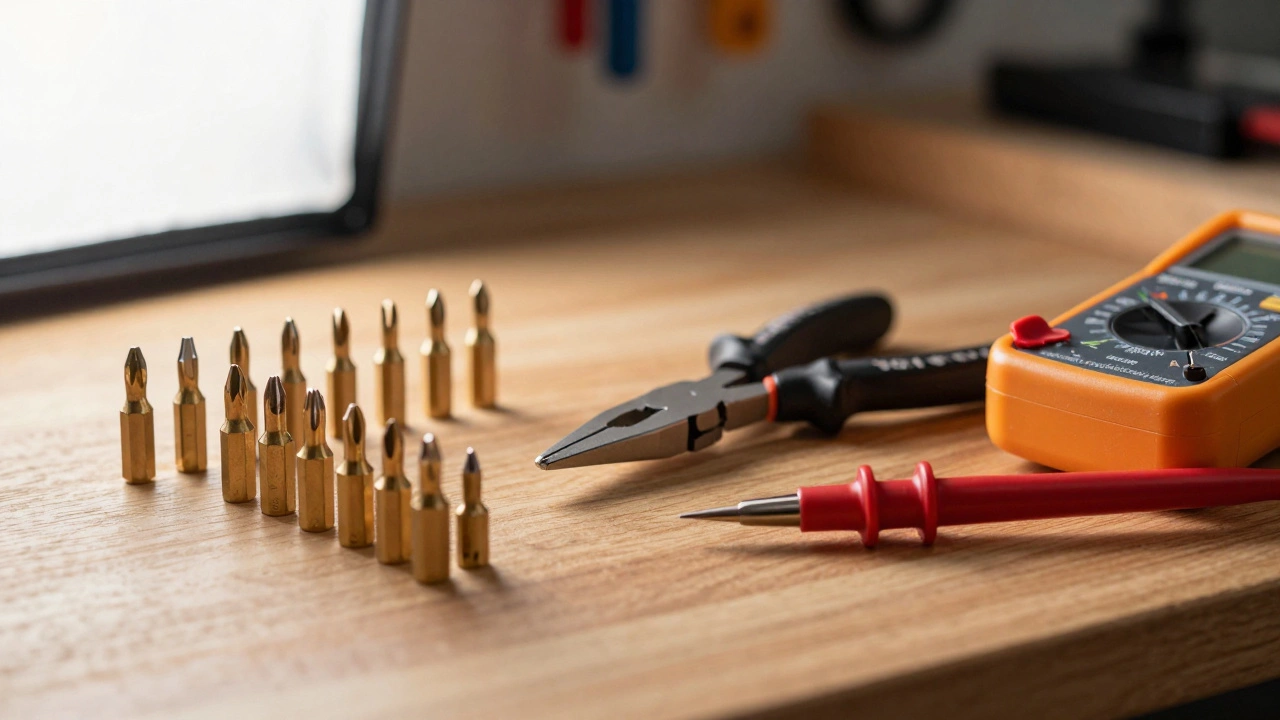
You cannot fix a washer with just a flathead screwdriver. Modern units use Torx heads and metric bolts that strip easily if forced. A standard toolkit should include a set of Torx drivers (sizes T15 to T30), adjustable pliers, a nut driver set, and needle-nose pliers for crimping terminals. Flashlight is essential since panels block light sources effectively.
For advanced troubleshooting, a digital multimeter helps verify voltages. You check the heating element, thermal fuses, and lid switches this way. If you lack this gear, renting a tool kit from a local hardware store often costs less than a pro visit. Make sure to buy replacement parts from authorized dealers; generic knockoffs in 2026 often fail due to incompatible firmware chips.
| Issue | Difficulty | Tool Requirement |
|---|---|---|
| Machine Won't Drain | Easy | Glove + Towel |
| Noises During Spin | Medium | Screwdriver Set |
| Error Code Displayed | Hard | Multimeter + Manual |
| Won't Agitate | Very Hard | Pro Service Recommended |
When to Call a Professional Technician
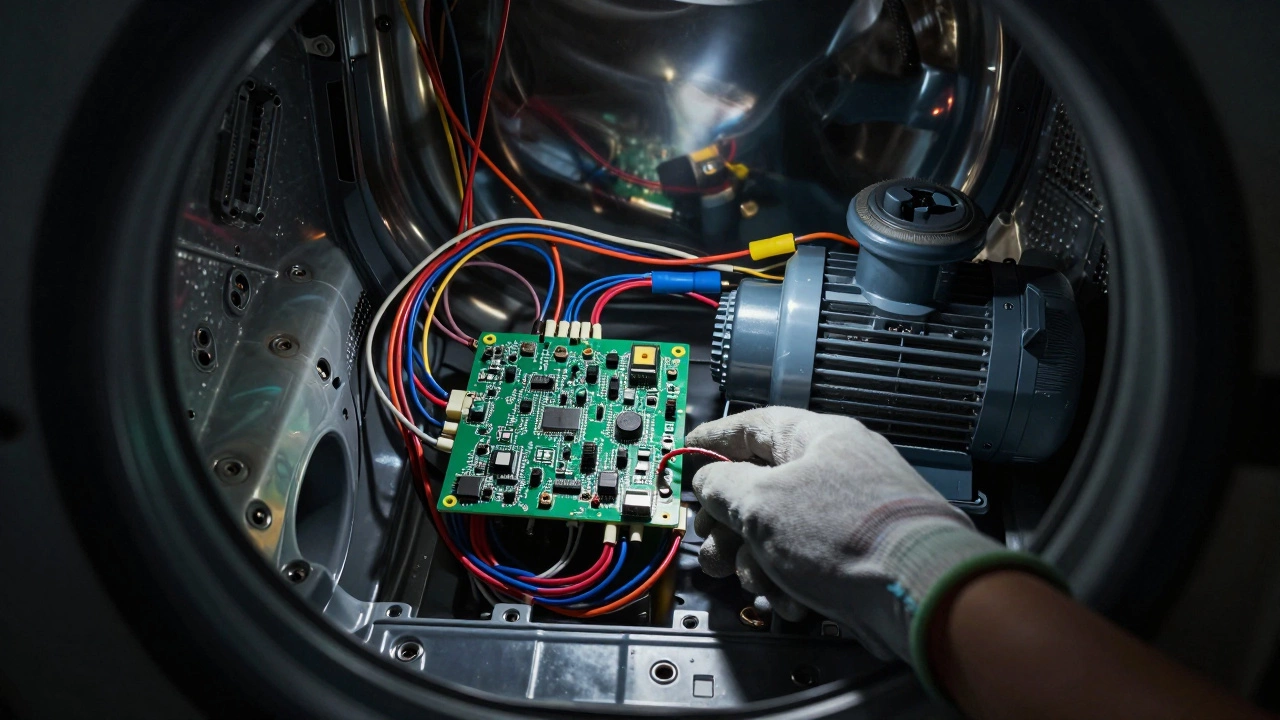
There is a distinct line where the risk outweighs the reward. If the issue involves the Main Control Board is the computer brain controlling cycles and sensors., it's time to call a licensed expert. Diagnosing software faults requires manufacturer-specific scan tools that most independent shops won't share online. Furthermore, replacing the motor assembly requires lifting the entire cabinet onto its back, which requires a second person to avoid dropping 100kg of steel onto your toes.
Another scenario for pros is complex water leaks. Sometimes the leak comes from a cracked tub sealed inside plastic. Fixing that is impossible without specialized resin welding equipment. In 2026, right-to-repair laws make parts easier to find, but technical expertise remains scarce. A certified technician charges for their diagnostic knowledge, not just labor hours. If they can identify the root cause in five minutes versus your three hours of trial and error, you've saved money overall despite the hourly rate.
Analyzing Costs in the Current Market
Let's look at the economics of the situation. In Toronto and surrounding areas, a standard service visit runs between $80 and $150 CAD for diagnosis alone. Parts markup by retailers sits around 20% higher than direct ordering online. Doing it yourself eliminates the labor fee ($80-$100/hour), but you still pay for parts and potential mistakes. If you accidentally crack a plastic gear during a belt swap, that gear is another $50 expense.
Weigh the age of your unit. If the machine is over 10 years old, the cost of fixing the transmission might exceed buying a new energy-efficient model. Tax credits for green appliances in 2026 often offset purchase costs, tipping the scales toward replacement instead of endless repairs. Keep receipts for your DIY purchases though; some extended warranties cover parts even if you install them yourself.
Diagnosing Specific Symptoms
Different signs point to different culprits. Understanding these clues speeds up your search.
- Loud Thumping: Usually a damaged spider arm holding the drum. Replacing this requires splitting the tubs. It's nearly always a write-off job.
- Wet Clothes: Blocked filter or broken impeller. Check the lint trap first, then inspect the hose clamp connections.
- No Power: Bad lid switch or tripped breaker. Check the outlet with a lamp first. Verify the cord is firmly plugged into the rear socket.
- Bad Smell: Moldy seal. Clean with vinegar solution and leave the door ajar between uses.
If you encounter an Error Code is a digital signal displayed on the screen indicating a specific failure. listed on the manual, don't ignore it. Codes like "E20" typically mean drainage failure. Clearing the debris usually resolves it. Ignoring the code leaves the system in lockout mode, preventing any further use until the fault clears automatically.
Frequently Asked Questions
Will fixing my washer void the warranty?
It depends on who does the work. Opening the cabinet often breaches the seal required by manufacturers like Whirlpool or LG. If you damage anything during access, the remainder of the coverage disappears completely.
How much does a professional repair cost?
A standard call-out fee ranges from $100 to $150 plus parts. Simple fixes like door locks cost less, while major component swaps like motors push the total past $400 quickly.
Is it dangerous to open the back panel?
Yes, absolutely. High voltage circuits remain stored even after unplugging. Never probe the PCB unless you have insulated probes and proper training to avoid severe electrical shock.
What tools do I strictly need?
You need a set of metric sockets, Torx bits, needle-nose pliers, and a screwdriver set. Buying cheap tools often leads to stripped screws, making reassembly much harder later.
Can I fix water leaks myself?
Only if the source is visible, like loose hoses or a dirty filter. Internal tank cracks cannot be fixed at home and require professional replacement or disposal.