

How Long Does a Cooker Last? Lifespan, Signs of Failure, and When to Replace
When you buy a new cooker, a kitchen appliance designed for baking, roasting, and broiling food, commonly powered by electricity or gas. Also known as oven, it’s one of the most used appliances in the home—and one of the hardest to replace without planning. Most modern cookers last between 10 and 15 years, but that number can drop fast if it’s not maintained or if it’s pushed beyond its limits. A cooker isn’t just a box with heating elements; it’s a system made of control boards, thermostats, heating elements, door seals, and fans—all working together. When one part fails, it can stress the others, shortening the whole unit’s life.
The real question isn’t just how long a cooker lasts—it’s whether it’s still worth keeping. If your cooker takes twice as long to bake a roast, or if the display flickers and resets randomly, those aren’t just annoyances. They’re signs the control board, the digital brain that manages temperature, timing, and safety features is failing. If you’re spending more than half the cost of a new unit on repairs, especially for a cooker older than 10 years, you’re likely throwing money away. Energy use climbs as parts wear out. A 12-year-old cooker might use 30% more power than a new Energy Star model, and that adds up over time.
Some signs are harder to ignore. If the door doesn’t seal right, heat escapes and your food cooks unevenly. If the oven doesn’t heat to the set temperature, even after resetting the thermostat, the heating element, the metal coil that generates heat inside the oven cavity is probably worn out. And if you hear strange noises—buzzing, clicking, or loud humming—it’s not just the fan. It’s the motor or relay struggling to keep up. These aren’t always fixable with a simple part swap. Often, the cost of labor and parts adds up faster than you think.
Replacing a cooker isn’t just about buying a new one. It’s about choosing one that fits your kitchen, your cooking habits, and your budget. A basic electric model might cost $500, but a smart oven with convection and steam features can hit $2,000. If you bake often, you’ll want even heat distribution. If you cook for a big family, capacity matters. And if you’re on a tight budget, you might find a reliable used unit that still has years left—just make sure it’s been serviced.
There’s no magic number that says "replace at 10 years," but there are clear signals. If your cooker is older than 10 years and you’re calling a technician more than once a year, it’s time to start looking. If repair quotes keep coming in over $300, you’re already halfway to a new unit. And if you’re tired of guessing whether your cake is done because the oven runs hot or cold, you’re not just inconvenienced—you’re wasting food, time, and energy.
The posts below cover real cases from people who faced the same choice: fix it or replace it. You’ll find guides on testing control boards, spotting failing heating elements, comparing repair costs, and knowing when to walk away. Whether you’re trying to stretch out your current cooker or preparing to upgrade, these are the practical answers you need—no fluff, no sales pitches, just what works.
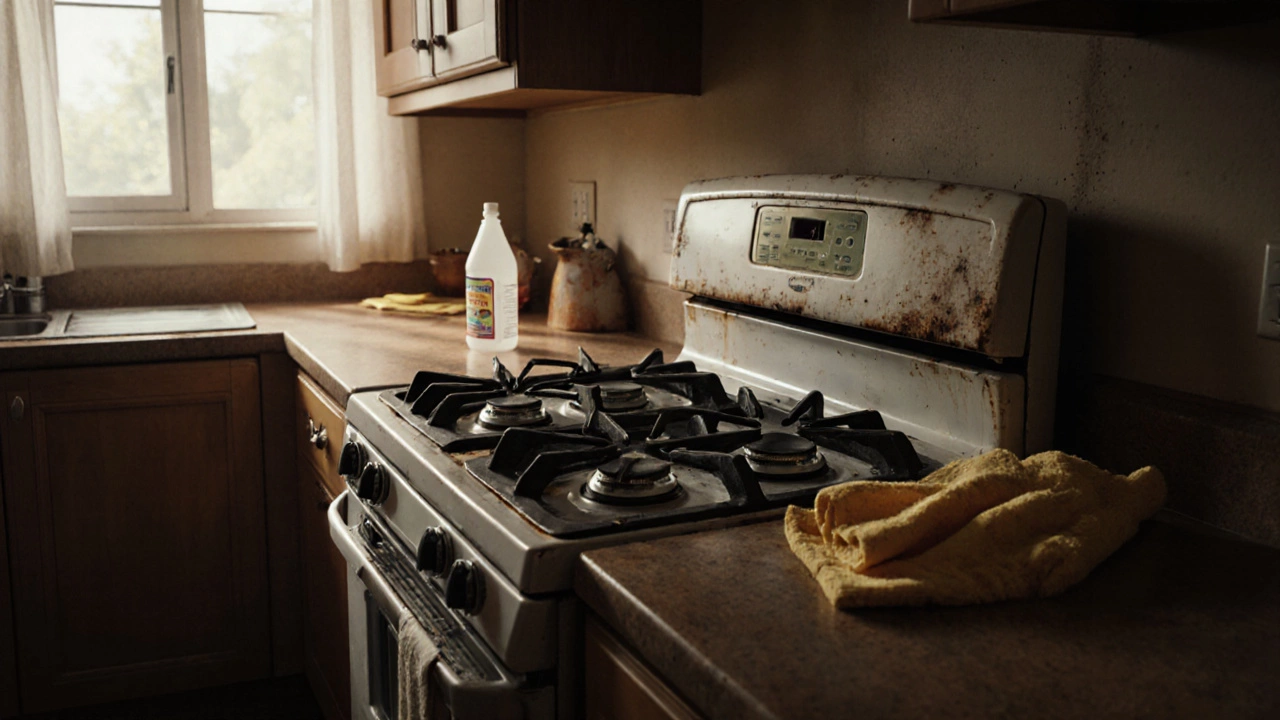
What Is the Average Life of a Cooker? How Long Should You Expect Yours to Last
Most cookers last 10 to 15 years, but signs like uneven heating, sparks, or high energy bills mean it's time to replace. Learn when to repair and how to extend your cooker's life.