

Dryer Replacement: When to Swap Your Dryer and What to Look For
When your dryer replacement, the process of swapping out an old or broken clothes dryer for a new one. Also known as dryer installation, it becomes necessary when repairs cost more than the machine is worth or when your dryer stops doing its job efficiently. A dryer that takes two cycles to dry a load, makes loud grinding noises, or won’t heat up isn’t just annoying—it’s costing you money in time and electricity.
Most dryers last between 10 and 13 years. If yours is older than that and you’re fixing it every few months, you’re throwing cash down the drain. Think about it: a single repair might cost $150, but if you’re doing that twice a year for three years, you’ve spent $900. A new dryer? You can get a solid one for under $500. And modern dryers use up to 30% less energy. That’s real savings on your bill every month.
It’s not just age. Look for signs like clothes coming out damp even after a full cycle, the drum not spinning right, or burning smells when it runs. Those aren’t just quirks—they’re red flags. A broken heating element might be cheap to fix, but if the motor’s failing or the vent system is clogged from years of lint buildup, you’re dealing with deeper issues. And if your dryer’s been sitting against a wall with a kinked vent hose since 2015, it’s not just inefficient—it’s a fire hazard.
When you’re thinking about dryer repair, fixing issues like heating problems, drum malfunctions, or electrical faults in a clothes dryer, ask yourself: is this a one-time fix or a pattern? If you’ve replaced the thermal fuse twice, cleaned the vent twice, and still get error codes, it’s time to move on. Replacing parts over and over doesn’t make sense when the whole unit is wearing out.
And don’t just grab the cheapest model at the store. Consider size, energy rating, and features like moisture sensors. A full-size dryer with a sensor-dry setting might cost $100 more upfront, but it’ll save you hours of guesswork and reduce wear on your clothes. If you do laundry often, that adds up.
You’ll also want to think about installation. Most dryers need a 240-volt outlet, and if yours doesn’t have one, you might need an electrician. That’s extra cost—but it’s better than buying a dryer that won’t plug in. Some models also need a vent to the outside. If you live in an apartment or have a tight space, you might need a condenser dryer that doesn’t require external venting.
When you finally decide on clothes dryer lifespan, the typical duration a clothes dryer remains functional and efficient before needing replacement, remember: it’s not about how long it runs, but how well it runs. A dryer that dries fast, quietly, and safely is worth the investment. One that takes forever, overheats, or trips the breaker? Not worth the hassle.
Below, you’ll find real-world guides on spotting when your dryer is done, comparing repair vs replacement costs, and what to look for in a new model. No fluff. Just facts that help you decide—before you waste another load of laundry waiting for it to dry.
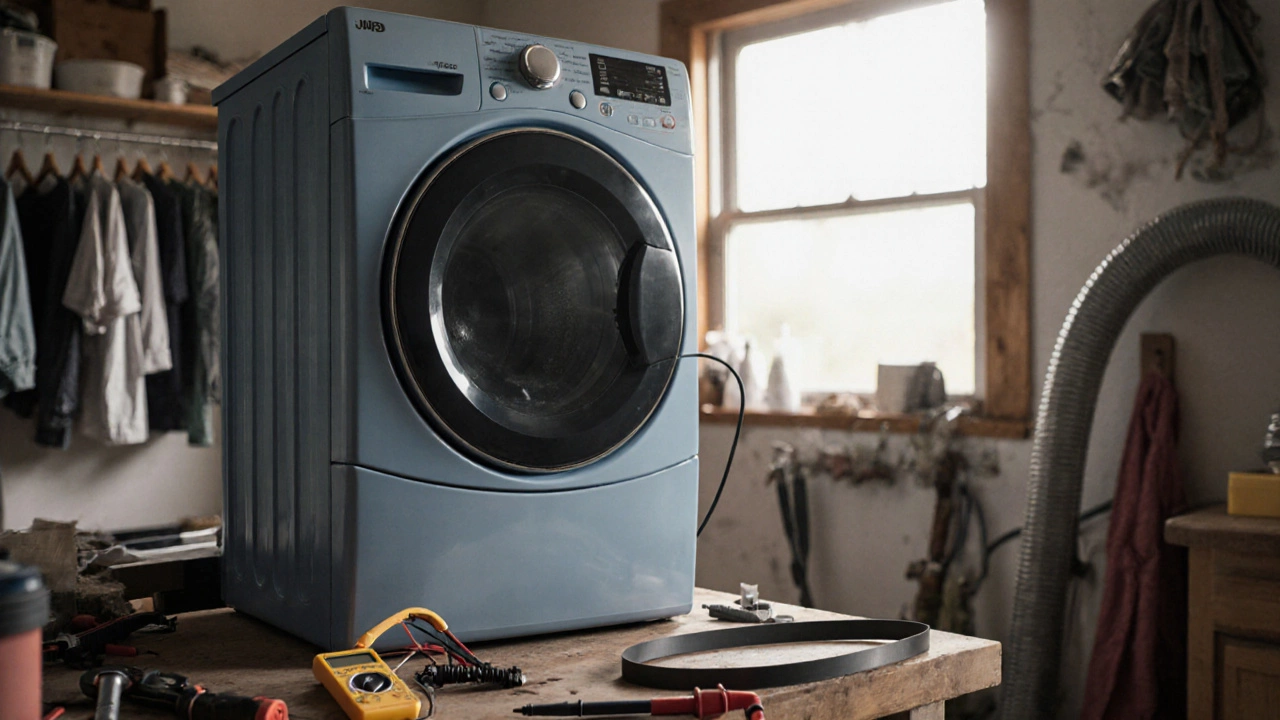
Is It Worth It to Fix a Dryer? Real Costs, Common Problems, and When to Replace
Deciding whether to fix or replace your dryer depends on age, repair cost, and energy use. Learn when it makes sense to repair, when to replace, and how much you can save with a new model.