

Cooker Life Expectancy: How Long Do Ovens Last and When to Replace
When you buy a new cooker, a kitchen appliance designed for baking, roasting, and broiling food, typically powered by electricity or gas. Also known as electric oven, it’s one of the most used appliances in your home. Most last between 10 and 15 years, but that’s not a guarantee. Many stop working well before then because of worn-out heating elements, faulty control boards, or broken thermostats. If your cooker is older than 10 years and starting to act up, you’re not just dealing with inconvenience—you’re probably paying more in energy bills and repair costs than it would cost to replace it.
The control board, the electronic brain of an electric oven that manages temperature, timers, and safety features is the most common point of failure in modern ovens. If the display is flickering, error codes keep popping up, or the oven won’t heat evenly, it’s often the board—not the heating element. Replacing it can cost half as much as a new oven, but if your cooker is over 12 years old, that repair is just buying time. Appliance longevity, how long a home appliance functions reliably before needing replacement isn’t just about age. It’s about how often you use it, how well it’s cleaned, and whether you’ve ignored small problems like uneven heating or strange noises. A cooker that’s been neglected for years won’t last as long as one that’s been maintained.
There’s a clear pattern in repair data: if your oven is under 7 years old and the fix is under $200, it’s usually worth it. Between 7 and 12 years, it’s a toss-up—weigh the cost of repair against the energy savings of a new model. After 12 years, replacement is almost always the smarter move. Newer ovens use 15-20% less energy, have better temperature control, and come with safety features older models don’t have. You’re not just replacing a broken appliance—you’re upgrading your kitchen’s efficiency.
Don’t wait until your cooker dies completely. Watch for signs like longer preheat times, inconsistent cooking, or the oven turning off randomly. These aren’t just annoyances—they’re red flags that the core components are wearing out. If you’ve had two or more repairs in the last year, you’re already spending more than you would on a new unit over time. The real question isn’t whether you can fix it. It’s whether you should.
Below, you’ll find real-world guides from people who’ve been there—how to tell if your control board is bad, when repair makes financial sense, and what to look for when buying a replacement. No fluff. Just facts based on actual repairs and customer experiences in the Bridgewater area.
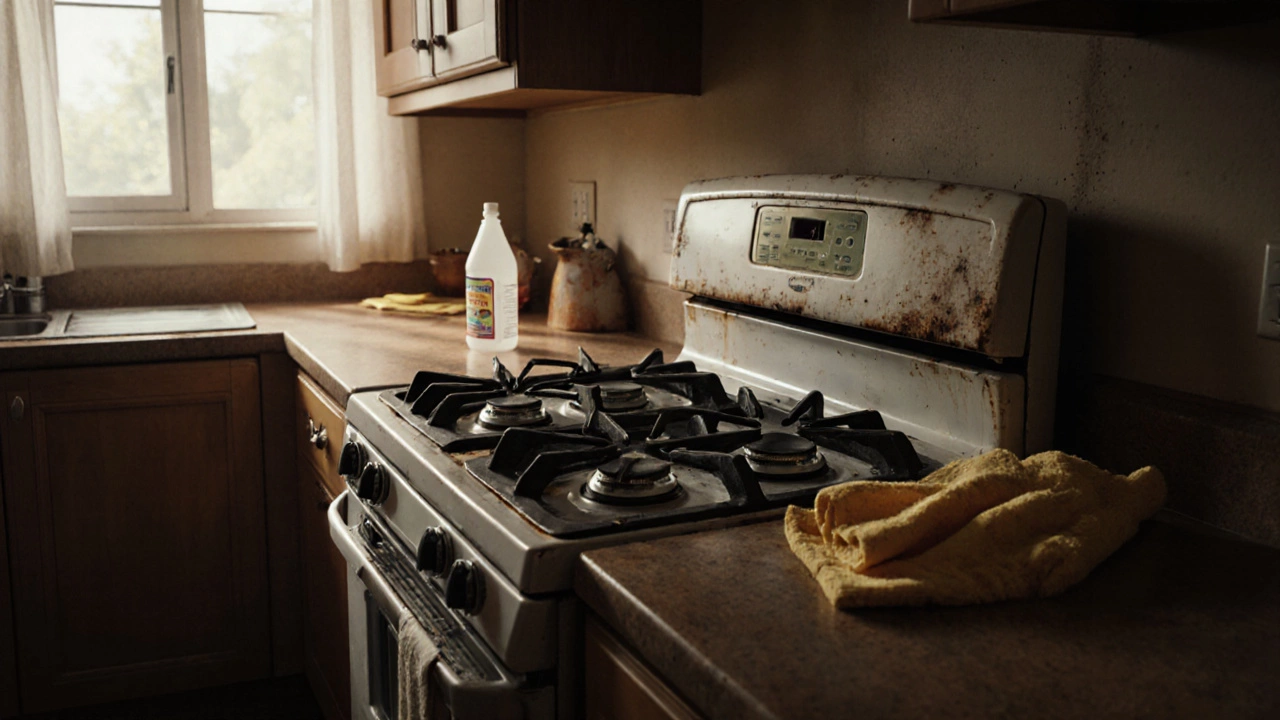
What Is the Average Life of a Cooker? How Long Should You Expect Yours to Last
Most cookers last 10 to 15 years, but signs like uneven heating, sparks, or high energy bills mean it's time to replace. Learn when to repair and how to extend your cooker's life.