

Boiler Wear: Signs, Causes, and When to Repair or Replace
When your boiler wear, the gradual breakdown of internal parts due to age, pressure, and mineral buildup. Also known as boiler degradation, it’s not a sudden failure—it’s a slow leak of performance that ends in cold showers and high bills. Most boilers last 10 to 15 years, but wear doesn’t wait for a calendar date. It shows up in quiet ways: a hiss where there shouldn’t be one, a dip in water temperature, or an odd smell when you turn it on. These aren’t just annoyances—they’re warnings.
Boiler wear doesn’t happen in isolation. It’s tied to boiler repair, the process of fixing damaged components like heat exchangers, pumps, or valves. A cracked heat exchanger? That’s wear. A failing pump? That’s wear. A thermostat that won’t hold temperature? Often, that’s wear too. Many people assume a broken boiler means a full replacement, but sometimes it’s just one part giving out. The question isn’t just "Is it broken?"—it’s "Is it worth fixing?"
Then there’s boiler replacement, the decision to install a new unit when repair costs climb past the value of keeping the old one. If your boiler is over 12 years old and you’re spending more than half the price of a new unit on fixes, you’re throwing money into a sinking ship. New boilers are 30% more efficient, quieter, and come with smart controls that older models can’t match. But if your boiler’s only 7 years old and the issue is a simple pump or pressure valve, repair makes sense—especially if you’ve been maintaining it.
Boiler wear is also linked to heating system issues, problems that affect the entire home heating setup, from radiators to pipes to thermostats. A worn boiler can cause uneven heat, noisy pipes, or even cold spots in your home because it’s struggling to push water through the system. You might think the problem is your radiators, but it’s often the boiler behind them losing steam—literally.
What you’ll find in the posts below isn’t theory. It’s real-world fixes from people who’ve been there. You’ll see how to spot boiler wear before it leaves you in the cold, what repairs actually cost, and when calling a pro is smarter than trying to DIY. There’s no fluff—just straight answers on pressure valves, corrosion, thermostat failures, and whether your boiler is past its prime. If you’ve noticed your water takes longer to heat, your bills are creeping up, or you hear strange noises when it kicks on—you’re not imagining it. The signs are there. Let’s get you the facts you need to decide what to do next.
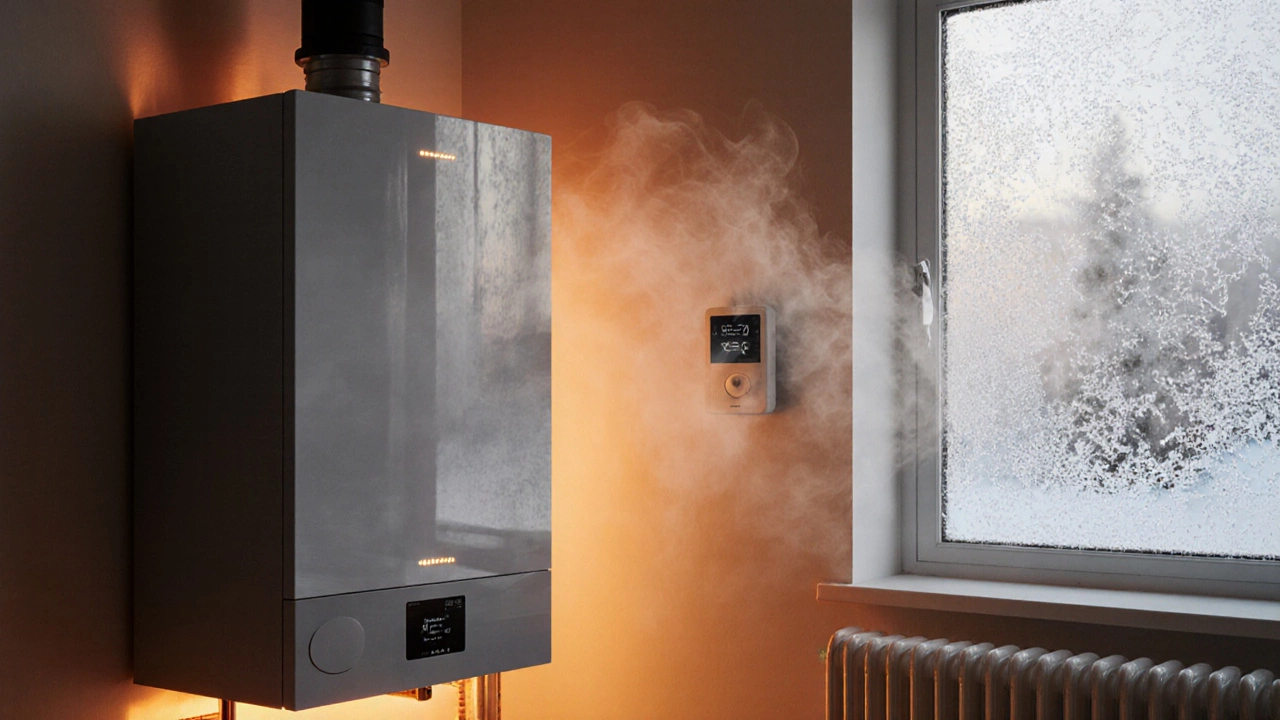
Does Turning Your Boiler On and Off Damage It?
Turning your boiler on and off doesn't damage it - modern boilers are built for it. Learn how cycling saves money, prevents corrosion, and extends lifespan with practical tips for Toronto homeowners.